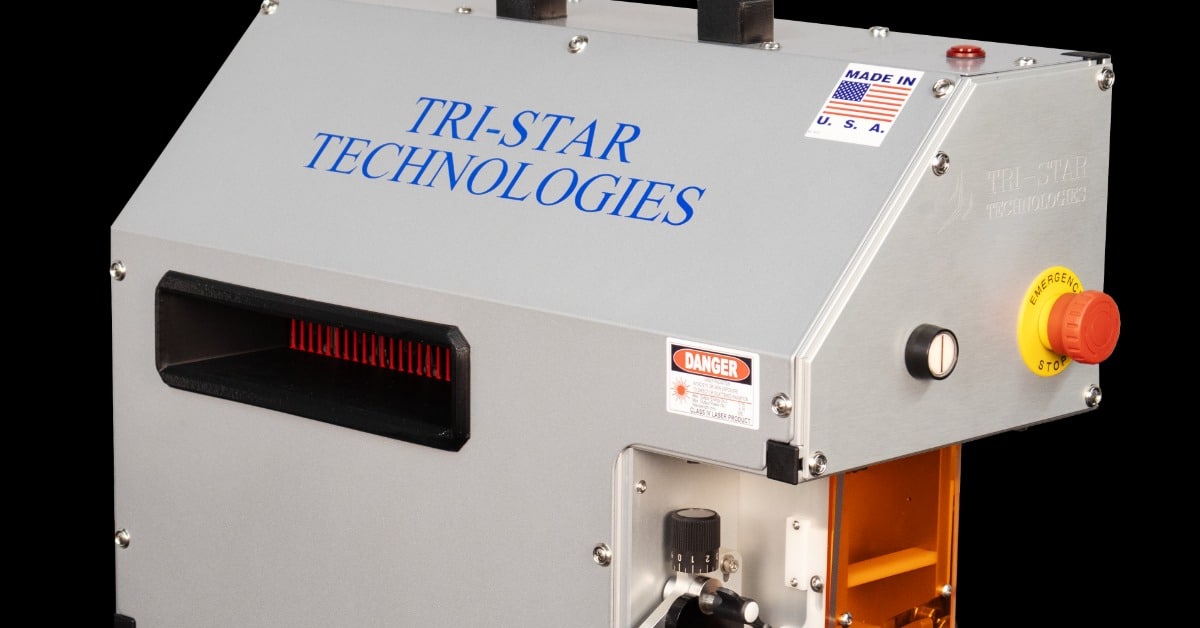
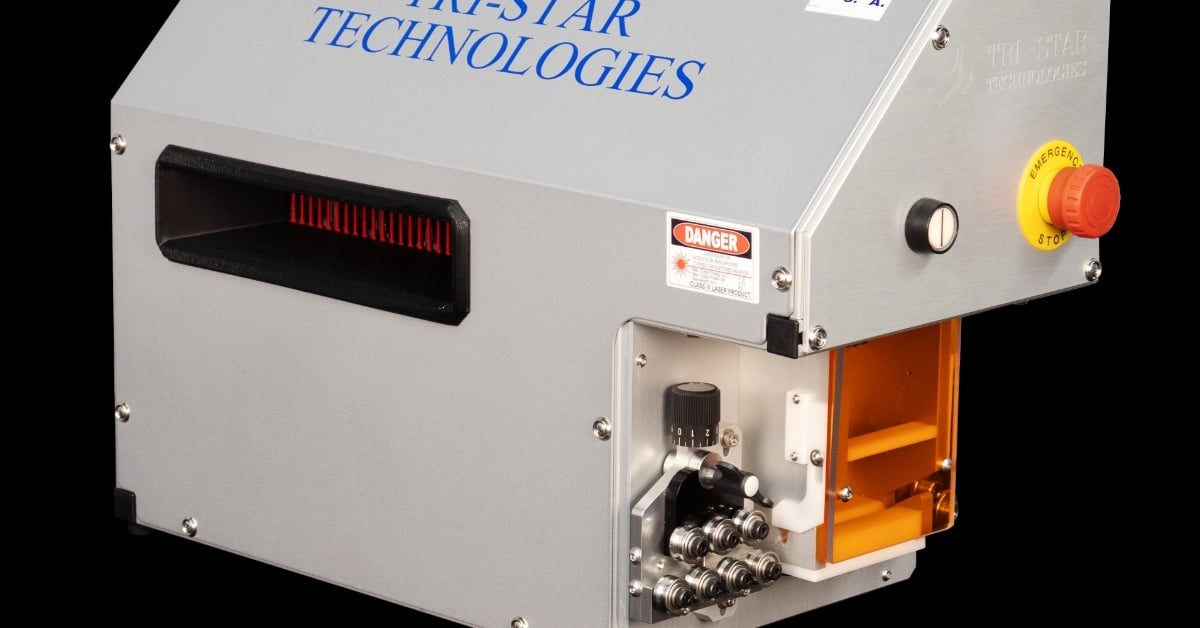
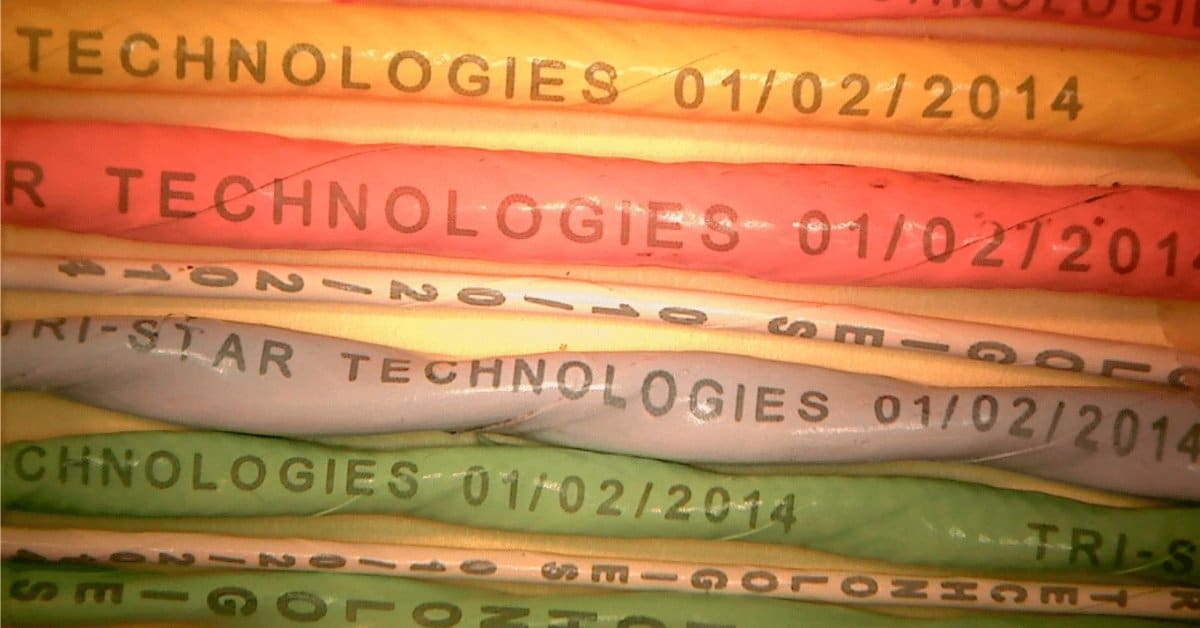
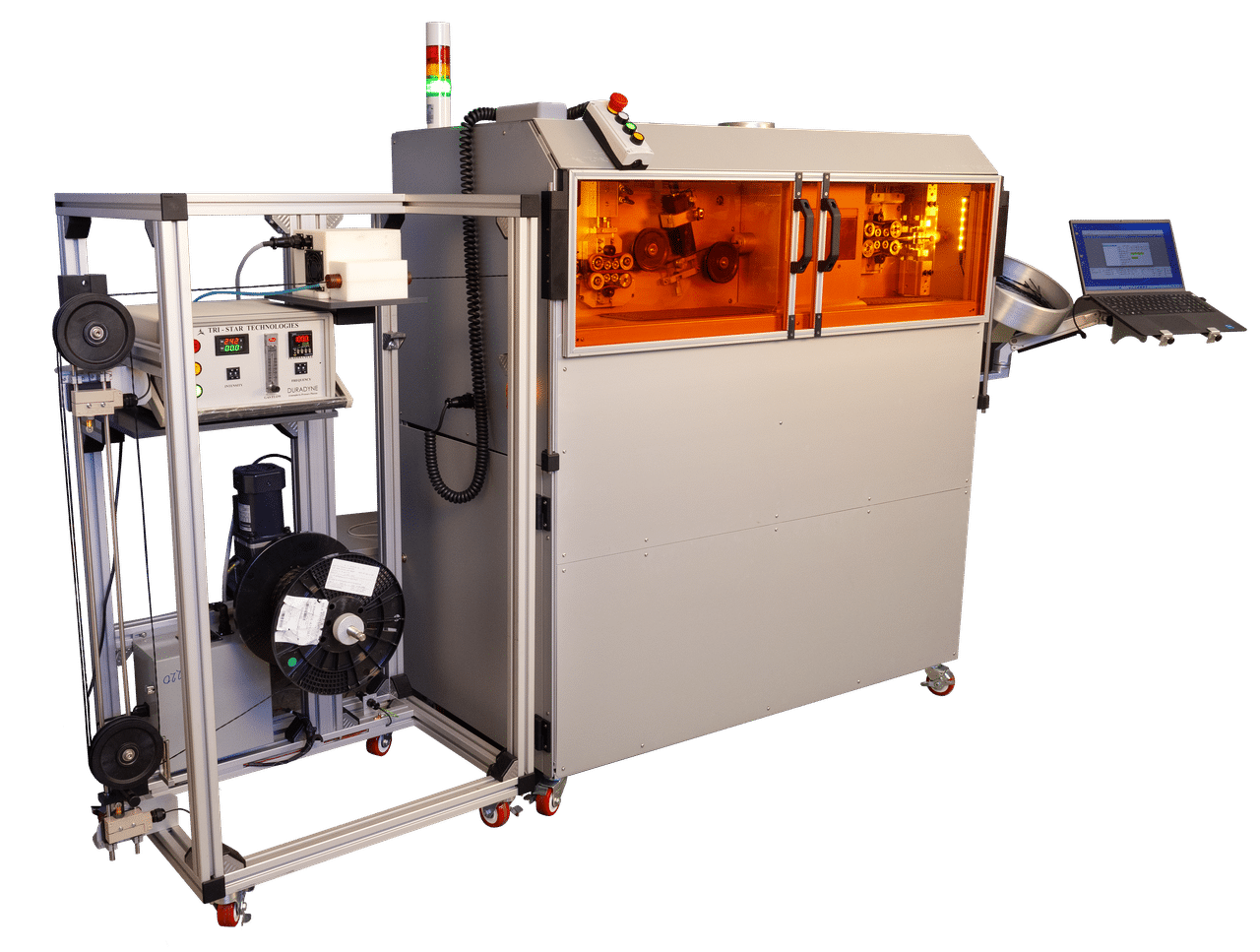
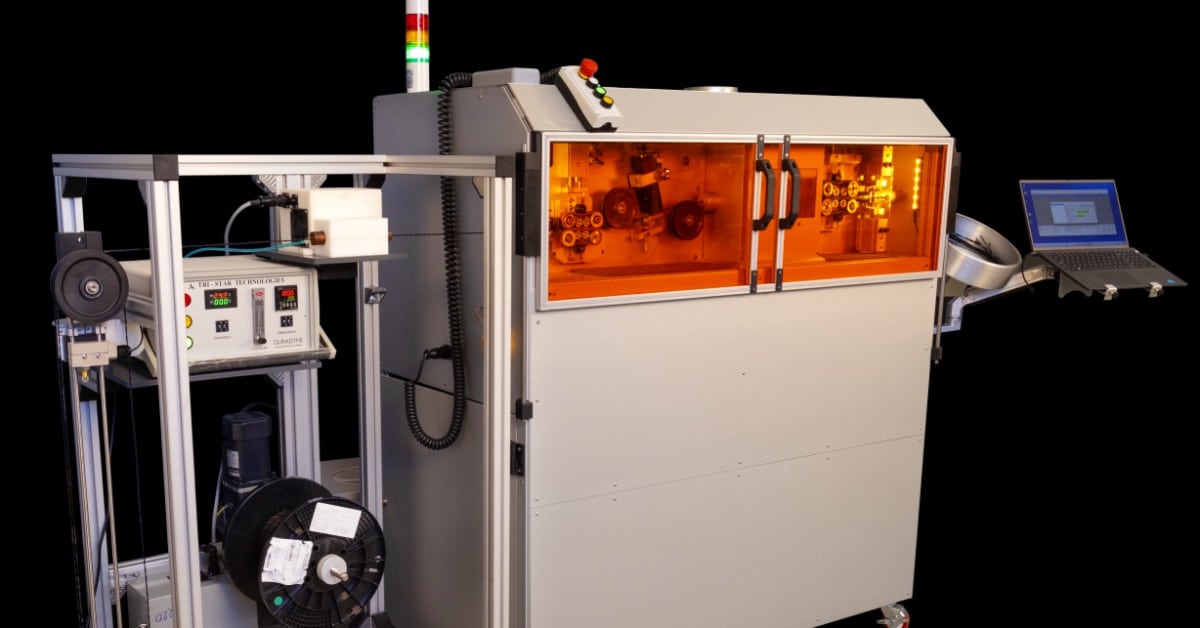
Small-gauge wire gives manufacturers very little surface area for identification. A mark that appears clear on a larger cable may become crowded, faint, or difficult to distinguish on a narrow conductor. That challenge becomes more significant in aerospace, defense, transportation, and harness manufacturing, where operators must distinguish individual wires within dense assemblies. Optimizing alphanumeric marking… Continue reading Alphanumeric Marking Optimization for Small-Gauge Wire
Manufacturers that work in controlled or cleanliness-sensitive environments must think beyond whether a marking method produces readable identification. They also must consider how that process affects the surrounding workspace, the product they’re marking, and the consistency of production. This matters in industries such as medical device manufacturing, pharmaceuticals, aerospace, and advanced manufacturing. Each environment comes… Continue reading Laser Marking Machines in Clean Manufacturing Spaces
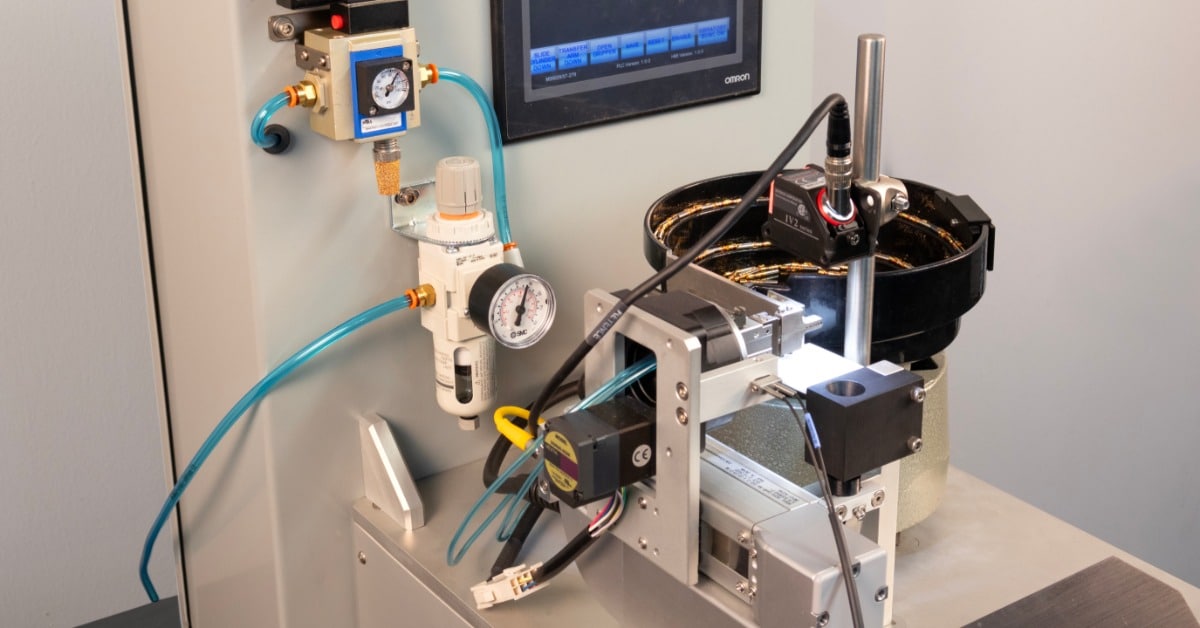
Crimping remains a highly manual process in many wire harness manufacturing environments. Operators may spend an entire eight-hour shift loading contacts into hand tools, positioning wires, actuating the tool, and repeating the process hundreds of times. That approach can work for low-volume production, repairs, and particular jobs. At higher volumes, however, manual crimping can consume… Continue reading Benefits of Switch From Manual to Automated Crimping
Manufacturers have several ways to prepare surfaces before bonding, coating, printing, or other production steps. Plasma cleaning and laser cleaning both use energy rather than conventional solvent-based processes, but they affect surfaces in very different ways. Choosing between them requires more than comparing equipment specifications. The right process depends on what needs to come off… Continue reading Plasma Cleaning vs. Laser Cleaning: A Comparison
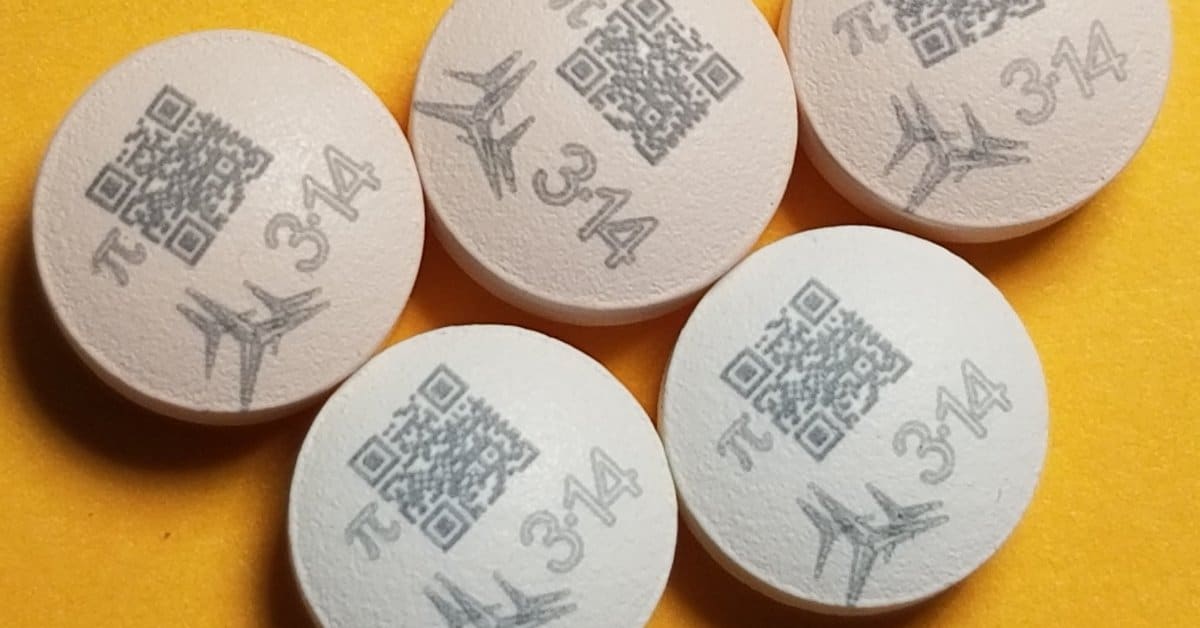
Pharmaceutical teams do not always need the throughput of a full-scale production line. Research and development (R&D) studies, pilot runs, process verification, and specialty batches can involve small quantities, yet the identification requirements still demand precision and consistency. In these settings, the right capsule printing machine can help teams mark products without building an oversized… Continue reading Benefits of Capsule Printing Machines for Small Batch Runs
Mixed gauge wire processing creates a practical challenge for production teams: every wire must receive a clear, durable, and accurate mark, but not every wire behaves the same way in the marking process. Small-diameter conductors, larger cables, different insulation materials, variable jacket colors, and changing production speeds all affect the configuration of a marking system.… Continue reading Wire Marking Considerations for Mixed Gauge Applications
Pharmaceutical capsule printing does more than place a logo, code, or identifier on a dosage form. It supports product identification, quality control, medication safety, and anti-counterfeiting efforts throughout the product lifecycle. When a capsule mark lacks clarity, manufacturers can face risks in dispensing, handling, verification, and patient use. For pharmaceutical manufacturers, legibility depends on both… Continue reading Legibility Standards in Pharmaceutical Capsule Printing
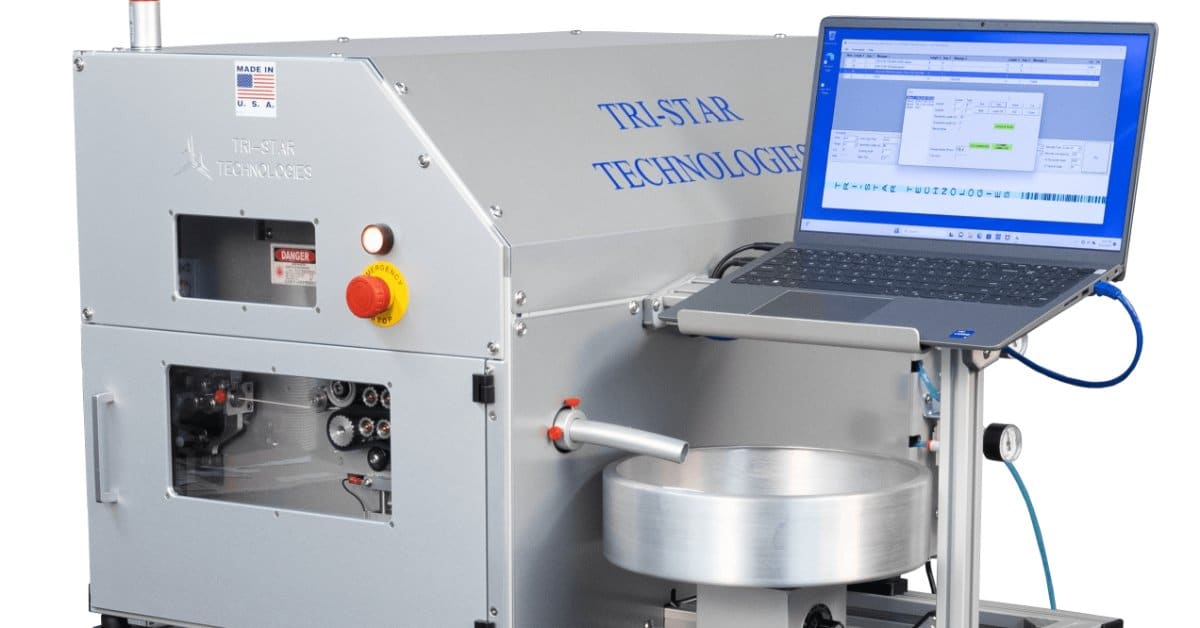
Standardization gives manufacturers a repeatable way to produce consistent results across teams, shifts, facilities, and product lines. In marking and identification, that consistency depends on more than the laser itself. Teams need control over message content, mark placement, character size, spacing, contrast, material handling, and repeatability from one job to the next. Tri-Star Technologies designs… Continue reading The Role of Laser Marking in Process Standardization
Selecting a marking system affects more than part identification. It influences traceability, production flow, quality control, compliance documentation, and long-term product readability. A system that performs well in a sample test may still create problems if it cannot keep pace with production, handle material variation, or fit into the existing workflow. Manufacturers should evaluate marking… Continue reading What To Look For in Industrial Marking System Selection
Marking may represent only one step in a manufacturing process, but the design of the marking system can influence much more than identification. Equipment layout, material handling, line-speed compatibility, controls, and operator interaction can determine whether marking fits naturally into production or becomes a recurring source of delays. Manufacturers evaluating identification technology should therefore look… Continue reading How Marking System Design Impacts Production Flow