




How Marking System Design Impacts Production Flow
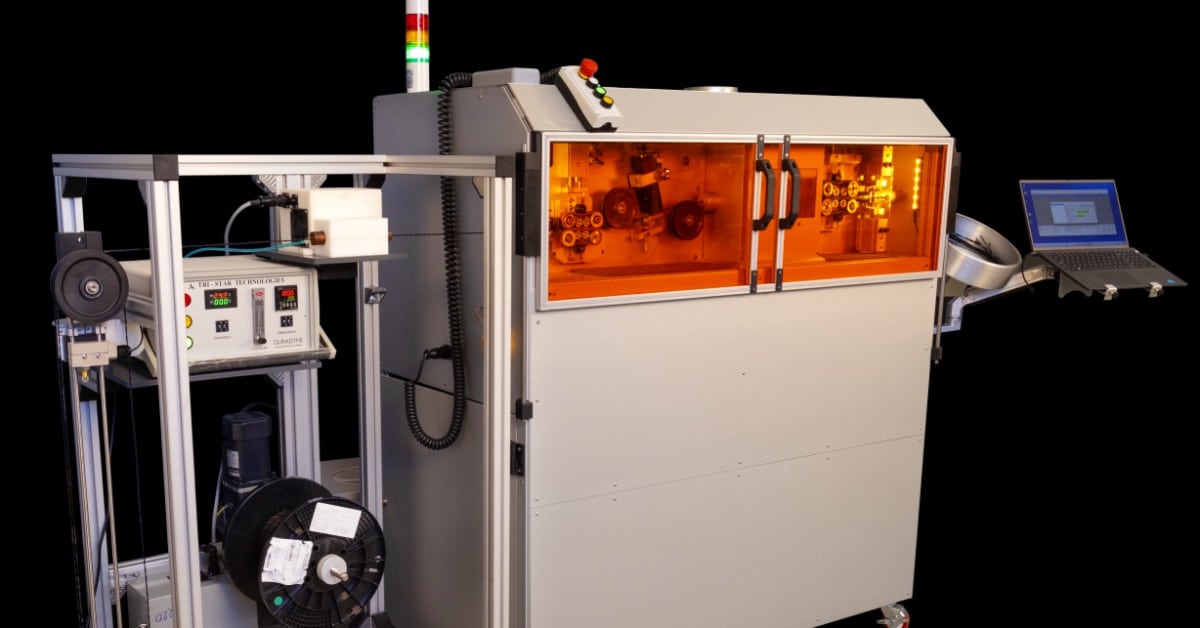
Marking may represent only one step in a manufacturing process, but the design of the marking system can influence much more than identification. Equipment layout, material handling, line-speed compatibility, controls, and operator interaction can determine whether marking fits naturally into production or becomes a recurring source of delays.
Manufacturers evaluating identification technology should therefore look beyond mark appearance. A system that produces clear characters but requires frequent stops, manual repositioning, or separate handling can disrupt otherwise efficient operations. Keep reading to understand how marking system design impacts production flow.
Marking Equipment Must Fit the Production Sequence
Every additional production step creates another point where operators must move, stage, verify, or reorient material. A marking system that operates separately from cutting, stripping, extrusion, or other processes can increase work-in-process and require additional handling between stations.
Integrated equipment can reduce these interruptions by placing identification within the existing production sequence. For example, Tri-Star Technologies designs UV laser wire marking equipment that can operate with continuous wire processing or alongside compatible cut-and-strip equipment. This type of architecture allows identification to become part of material processing rather than a disconnected secondary operation.
In-Line Design Can Reduce Material Transfers
An in-line marking configuration allows material to enter the marking zone as part of its normal path through production. Manufacturers can use this approach in continuous operations where wire, cable, tubing, or similar materials move from one process directly into another.
For teams comparing an industrial ink marking system with other marking technologies, machine placement deserves as much attention as the marking method itself. A compact or easily integrated system may fit into an established line more effectively, while equipment that requires additional staging space or separate handling can alter the surrounding workflow.
Line-Speed Compatibility Affects Overall Throughput
Production equipment works most efficiently when individual processes operate at compatible speeds. If upstream equipment feeds material faster than the marking station can process it, manufacturers may need to slow the entire line or create buffers between operations.
The same issue applies when production speed changes during normal operation. A marking system must maintain accurate identification as material accelerates, decelerates, or runs at different speeds for different products. Otherwise, variations can affect spacing, placement, or consistency.
Synchronization Supports Consistent Mark Placement
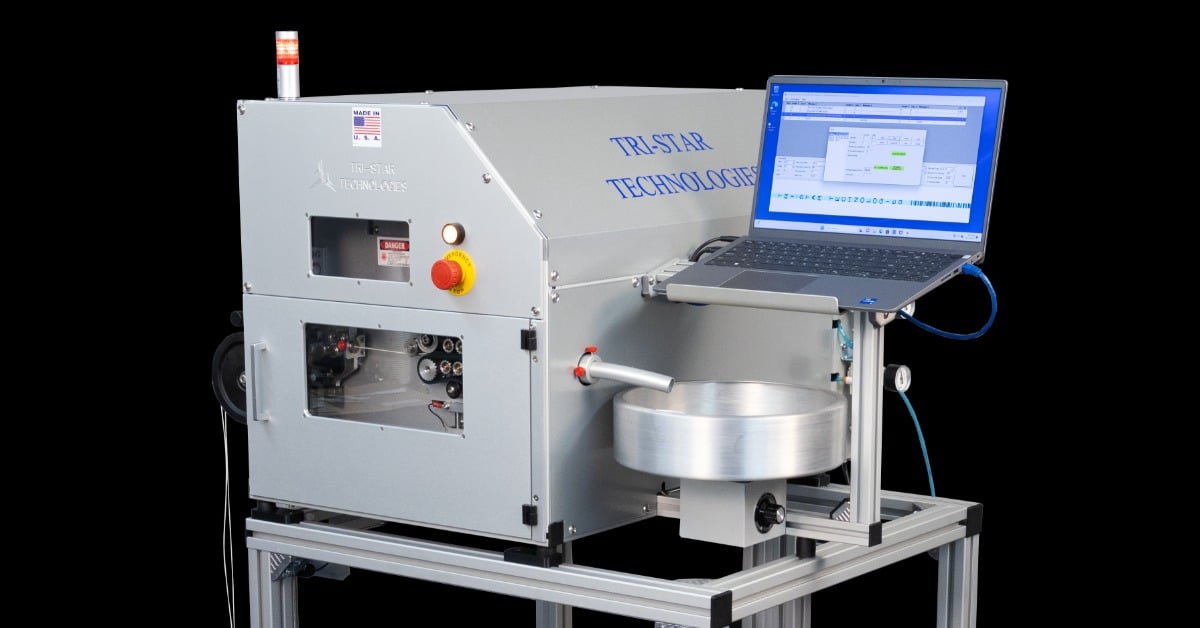
Encoder-based synchronization provides one way to coordinate marking with material movement. Rather than relying on a single fixed line speed, the system tracks the movement of the material and adjusts marking activity accordingly.
Tri-Star’s M100LFG-TT-METEOR, for example, uses encoder-based synchronization for continuous wire and cable processing. Its design allows the system to maintain mark placement as line speed changes, which makes the architecture suitable for extrusion, reel-to-reel, and related continuous processes.
Material Handling Can Create Hidden Bottlenecks
A marking machine does not operate independently from the material passing through it. Guides, rollers, straighteners, tension controls, and feeding mechanisms all affect how smoothly material enters and exits the marking area.
Poor material presentation can create inconsistent positioning, unnecessary stops, or difficulty maintaining repeatable marks. These concerns become especially important with fine-gauge wire, flexible substrates, and materials that require controlled tension throughout processing.
Non-Contact Processes Can Simplify Material Movement
A non-contact marking system’s design can greatly impact production flow by removing physical marking pressure from the production equation. The system still requires proper guidance and positioning, but the marking mechanism itself does not need to press against the substrate.
Tri-Star’s UV laser systems use this type of non-contact process. In continuous wire applications, that architecture can help maintain stable material movement while the system applies identification. It also avoids adding marking-related mechanical contact that could complicate tension control in sensitive reel-to-reel operations.
Changeovers Influence Production Efficiency
Many manufacturers process multiple part numbers, wire constructions, message formats, and production quantities on the same equipment. System design determines how much work operators must perform when production changes from one job to another.
A marking platform that depends heavily on mechanical adjustments can extend setup time between jobs. By contrast, programmable parameters can allow operators to change messages, character sizes, spacing, and other settings through the control system while limiting physical machine changes.
Software Design Matters Alongside Hardware
Controls should make common production tasks straightforward. Operators may need to select a part number, load marking data, adjust formatting, or recall a previously configured job without rebuilding the process from the beginning.
The M100LFG-TT-METEOR illustrates this approach with programmable message, font, spacing, orientation, and marking settings. Stored tasks can support repeat production, while adjustable parameters make it possible to accommodate different identification requirements through the same platform.
Balancing Marking Quality and Production Speed
Increasing production speed has little value if identification becomes difficult to read. At the same time, maximizing mark density or character detail without considering cycle time can unnecessarily reduce throughput.
System designers must balance character size, mark contrast, spacing, substrate characteristics, and processing speed. The appropriate combination depends on the application and material, which makes process qualification an important part of implementing new marking equipment.
Consistency Supports Downstream Operations
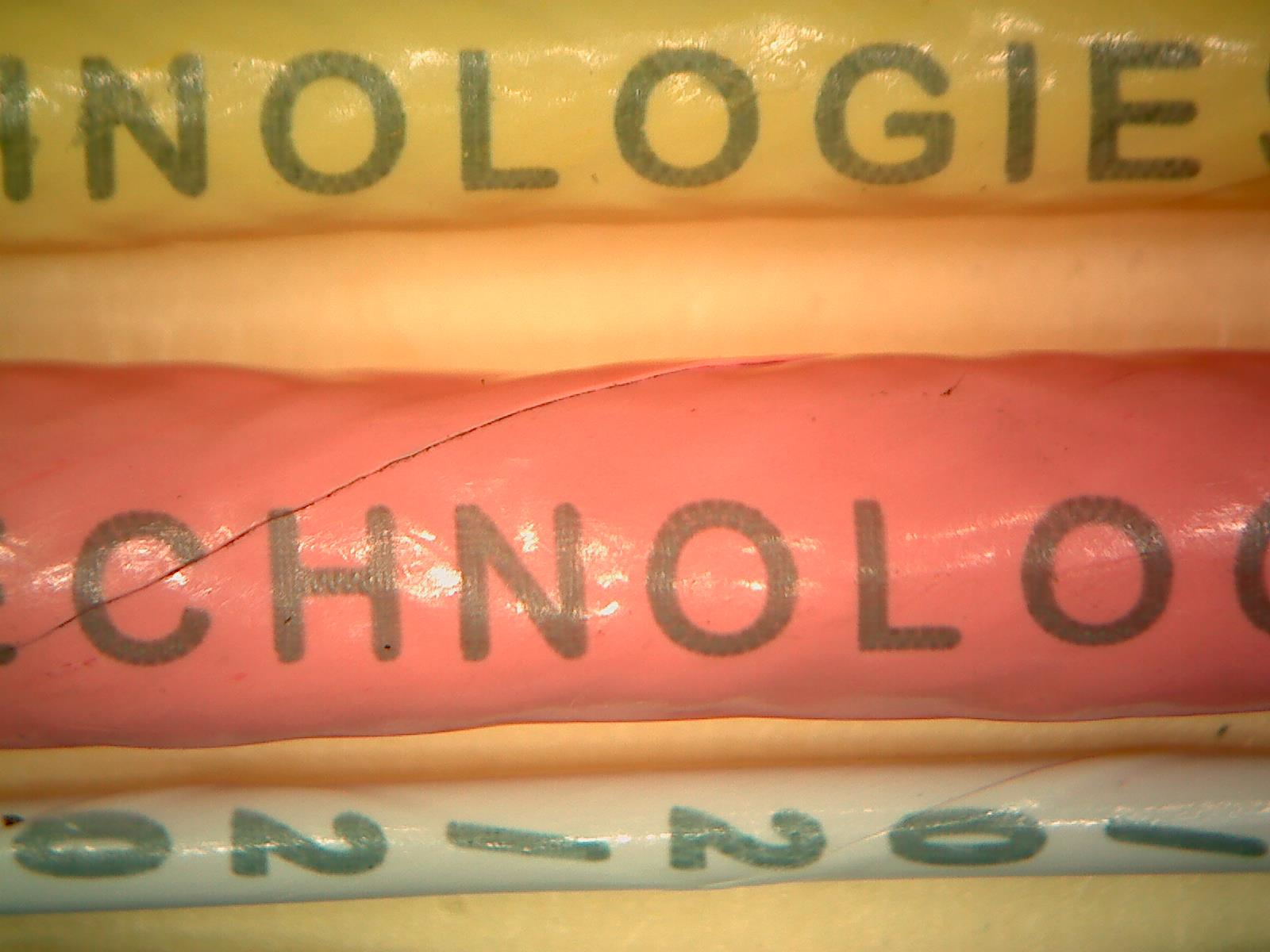
Clear identification contributes to more than the marking operation itself. Downstream teams may rely on marks when selecting wires, assembling harnesses, performing inspections, or connecting production records with physical components.
A system that produces repeatable identification can therefore support smoother downstream work. In complex assemblies, dependable marks can make it easier for operators and inspectors to distinguish similar components without introducing additional labeling steps.
Equipment Footprint Shapes the Production Floor
Physical dimensions can affect whether a marking system integrates comfortably into an existing facility. Manufacturers must consider not only the machine footprint but also material entry and exit paths, operator access, utilities, guarding, and space necessary for professional service.
Compact equipment allows for more flexibility in smaller floor spaces. Modular designs can provide another option by allowing manufacturers to configure equipment around a specific production line rather than forcing the line to accommodate a rigid machine layout.
Safety Features Also Affect Workflow
Safety architecture influences how operators interact with equipment throughout the shift. Proper enclosures, interlocks, controls, and access points can allow normal production to proceed while limiting exposure to internal hazards.
Tri-Star’s laser marking systems enclose the laser and use interlocks to shut it down when operators open required access points. Under normal operating conditions, the laser radiation remains within the system, allowing the equipment to function as production machinery while controlling internal laser hazards.
Automation Should Reduce Process Complexity
Automation delivers the most value when it removes unnecessary actions rather than adding another layer of operator work. A well-designed marking system coordinates with surrounding equipment, receives the correct production information, processes material consistently, and provides clear status information when intervention becomes necessary.
Manufacturers should consider these interactions during equipment selection. Evaluating only marking resolution or nominal production speed can overlook the design characteristics that determine how the machine performs as part of a complete production environment.
Evaluate the Entire Marking Workflow
Marking system design can influence throughput, material handling, changeovers, floor-space utilization, operator interaction, and downstream identification. These effects make marking equipment an important part of production planning rather than an accessory.
When evaluating a new marking process, manufacturers should examine how the system will interact with material movement and surrounding equipment from the beginning. Contact Tri-Star Technologies to discuss wire and cable marking configurations that integrate identification into demanding production environments.