




What To Look For in Industrial Marking System Selection
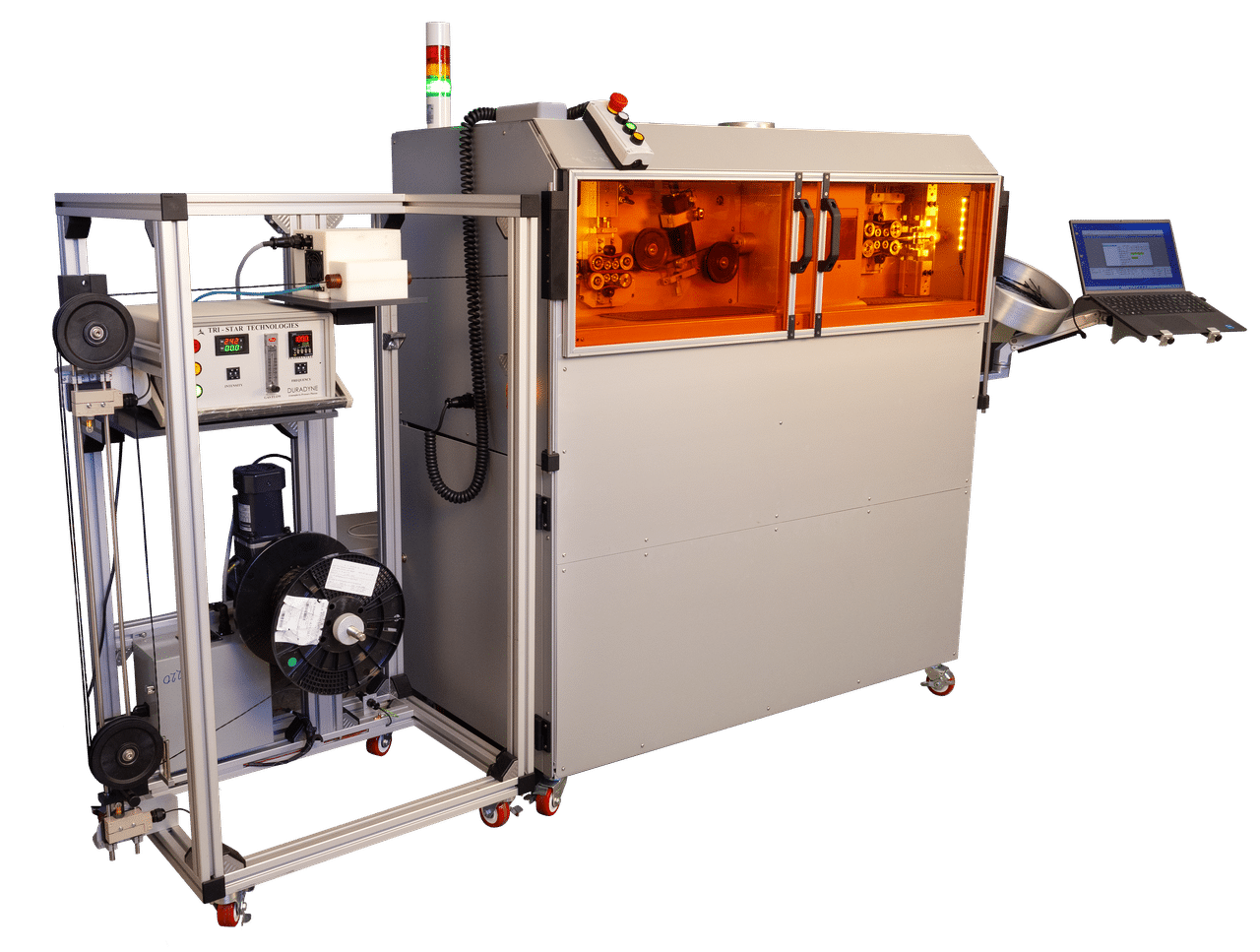
Selecting a marking system affects more than part identification. It influences traceability, production flow, quality control, compliance documentation, and long-term product readability. A system that performs well in a sample test may still create problems if it cannot keep pace with production, handle material variation, or fit into the existing workflow.
Manufacturers should evaluate marking equipment as part of the larger production process, not as a stand-alone purchase. Below, we’ll outline what to look for when selecting an industrial marking system.
Start With the Marking Requirement
Every selection process should begin with the mark itself. Before comparing industrial marking systems, teams must define what information the mark must carry, where it must appear, how large it can be, and how long it must remain readable. A simple alphanumeric code creates different requirements than a barcode, serial number, logo, or multi-line wire identification message.
The application should also define whether the mark must support assembly, inspection, compliance, warranty tracking, or lifecycle traceability. A wire harness manufacturer may need clear identification that remains legible after cutting, stripping, routing, and installation. A medical device manufacturer may need a non-contact process that applies identification without compromising sensitive surfaces.
Evaluate Material Compatibility
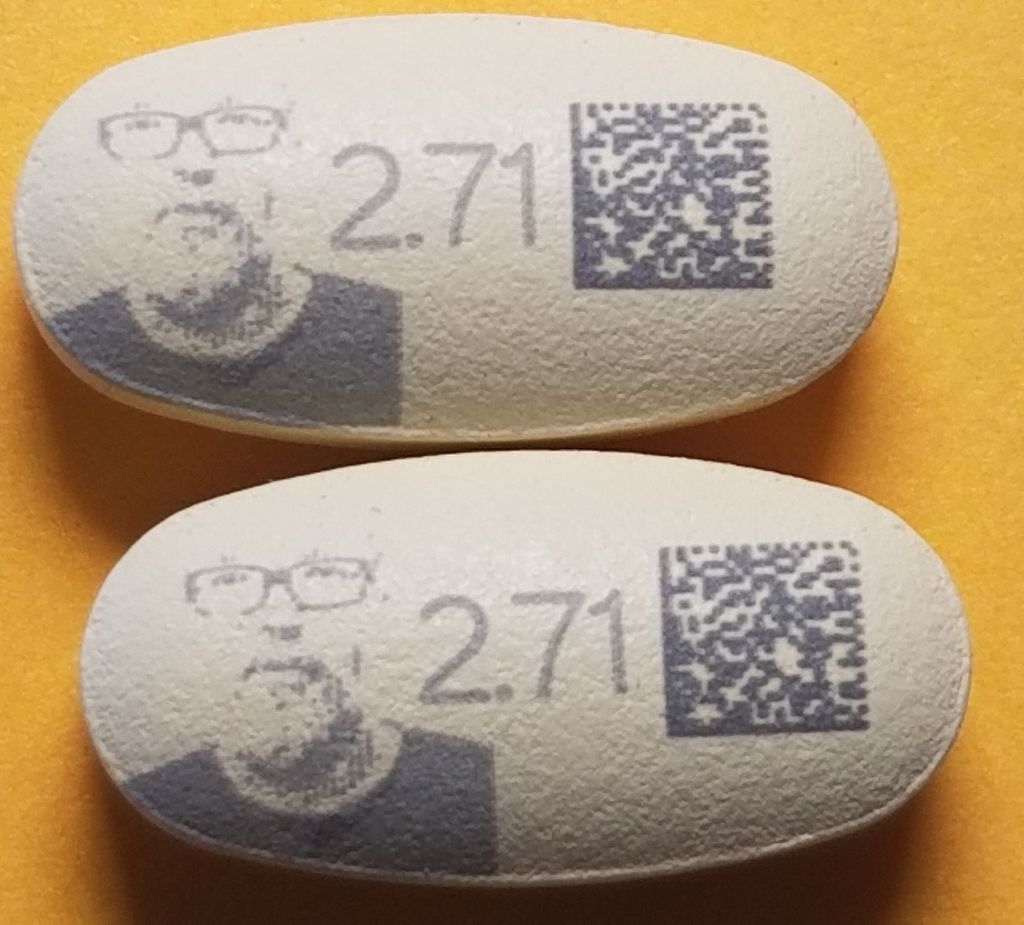
Material compatibility plays a central role in system selection. A marking method that works well on one substrate may produce poor contrast, inconsistent results, or unacceptable surface effects on another. Metals, polymers, wire insulation, tubing, films, tablets, capsules, and coated components all respond differently to marking energy, chemistry, pressure, and handling.
For laser-based industrial marking systems, the material must respond predictably to the selected wavelength and process settings. In wire and cable applications, UV laser marking can produce durable, high-resolution identification on compatible insulation while maintaining the integrity of the underlying material.
Prioritize Non-Destructive Marking
An important thing to look for when selecting an industrial marking system is how precise and sensitive the system is to the substrate. Non-destructive marking matters when the substrate performs a critical mechanical, electrical, biological, or protective function. For wire insulation, the marking process must preserve dielectric performance. For medical tubing or delicate device components, it must avoid creating surface conditions that could affect function or safety.
Match the System to Production Flow
A strong marking system should fit the production flow instead of forcing unnecessary handling steps. Some operations need stand-alone marking for discrete parts, low-volume work, repair operations, or kitted production. Others need in-line marking that integrates directly with extrusion, reel-to-reel processing, cut-and-strip operations, or continuous wire handling.
Wire and cable manufacturers should pay close attention to how the system dereels, measures, marks, cuts, strips, and coils material. For stand-alone or cut-and-strip workflows, Tri-Star’s M100LFGTTA-S can support marking, cutting, and stripping operations in a controlled production sequence. For extrusion lines, reel-to-reel processing, and continuous wire, cable, or tubing production, the M100LFGTTA-METEOR gives manufacturers an in-line marking option for variable line speeds and continuous material movement.
Consider Throughput and Speed Stability
A marking system must support the production rate without sacrificing readability. Maximum speed matters, but speed stability matters just as much. If mark quality drops during acceleration, deceleration, or line-speed fluctuation, the system may create rework.
Teams should evaluate how the equipment controls mark placement at operating speed. In wire marking, for example, line synchronization, wire guidance, and focus control all affect repeatability. The system should maintain consistent character spacing, contrast, and placement across the full range of expected production conditions.
Review Mark Durability Requirements
A mark only adds value if it remains readable through the product’s expected handling and service conditions. Some products face abrasion, heat, chemicals, cleaning processes, sterilization, bending, vibration, or outdoor exposure. Others must remain legible after downstream operations such as winding, cutting, stripping, assembly, packaging, and installation.
Durability testing should reflect the real process. A mark that looks clear immediately after application may not meet requirements after additional handling or environmental exposure.
Examine Software and Data Handling
Modern marking systems also manage job data, part numbers, serialization, production files, fonts, symbols, and operator inputs. Software quality can determine whether the marking process supports traceability or becomes a source of errors.
The system should make it simple to load the correct job, adjust parameters, and prevent changes where necessary. For wire processing, software may need to support multiple fonts, orientations, print densities, barcodes, and imported job files.
Assess Integration Requirements Early
Integration should not be a final installation detail. The physical layout, material path, operator access, exhaust requirements, guarding, interlocks, data connections, and upstream or downstream equipment all affect system selection.
This is where equipment configuration matters. A stand-alone marking system may serve a production cell where operators process batches, while an in-line system such as the M100LFGTTA-METEOR may fit better when applying the mark during extrusion, spool-to-spool processing, or other continuous operations.
Teams should also consider future integration needs. A manufacturer that starts with manual or semi-automated marking may later need more automation, higher speed, or tighter data connection with production systems.
Validate Safety and Operator Usability
Industrial marking equipment should support safe, repeatable operation. Laser systems require proper enclosures, interlocks, labeling, training, and controls. Any equipment with moving parts, electrical systems, or production-line interfaces must protect operators while giving personnel practical access for setup, inspection, and approved service.
Usability also affects quality. Operators need clear software prompts, accessible loading paths, predictable controls, and visible system status. A system that reduces confusion during setup and changeover can help prevent marking errors.
Compare Consumables and Maintenance Demands
Different marking technologies bring different operating costs. Ink-based processes may require fluids, solvents, drying time, and additional attention to print consistency. Contact-based systems may involve tooling wear or transfer media.
Maintenance expectations should match the facility’s capabilities. Manufacturers should avoid selecting equipment that depends on frequent operator intervention if the process demands high repeatability. They should also not assume that internal teams can service complex marking equipment without proper training. A reliable supplier should provide guidance, documentation, support, and service pathways that keep the system operating within specification.

Look for Application Experience
Technical specifications help narrow the field, but application experience matters when marking requirements become complex. A supplier with experience in wire and cable, aerospace, defense, medical device, pharmaceutical, and industrial applications can help identify issues that may not appear during an initial equipment comparison.
Application experience also supports better customization. Some production lines need high-speed in-line marking, while others need portable systems, multi-wire handling, shrink tubing capability, or integration with cut-and-strip equipment. Tri-Star’s industrial marking systems include configurations for wire and cable marking, laser identification, and non-destructive marking applications, which helps manufacturers match the equipment to the material path, mark requirement, and production environment.
Select for the Process, Not Just the Mark
The best marking system is not simply the one that creates a readable mark. It is the one that creates durable, repeatable, non-destructive marks while fitting the material, production rate, data requirements, safety expectations, and long-term workflow. Teams should evaluate compatibility, integration, software, throughput, durability, and supplier experience before they commit to a platform.
Industrial marking system selection becomes easier when manufacturers define the process clearly and test equipment against real production conditions. To explore non-destructive laser marking, wire marking systems, and custom marking configurations for demanding applications, contact Tri-Star Technologies to discuss the right solution for your operation.