




How Automatic Crimping Machines Help With FOD Control
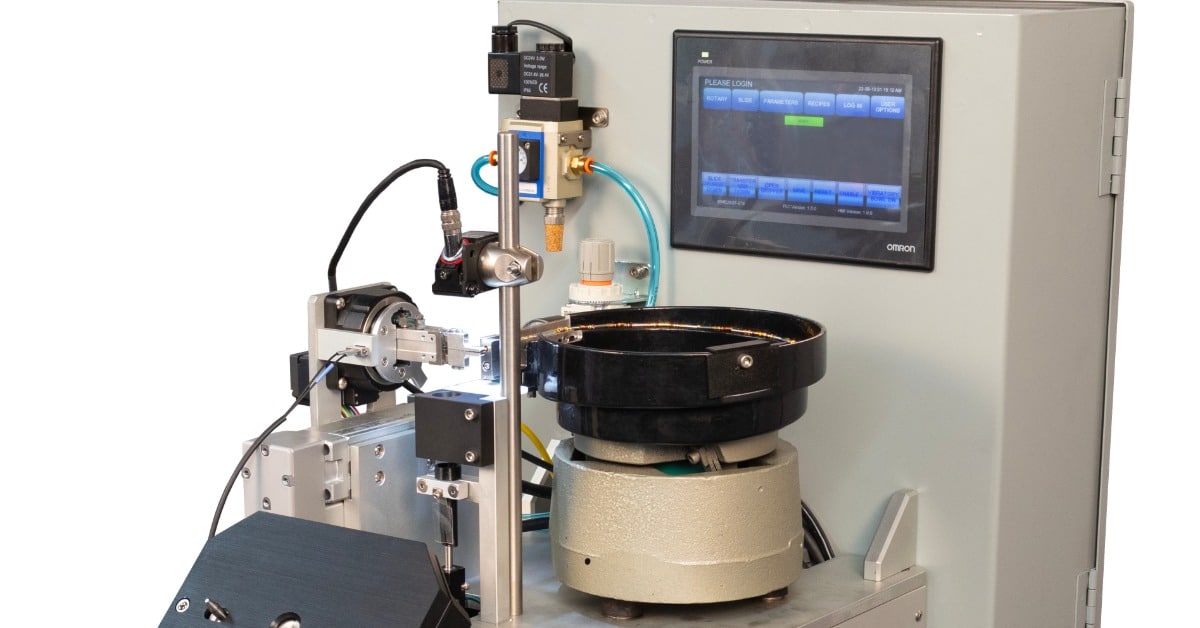
Foreign object debris (FOD) creates serious concerns in aerospace wire assembly. A connector contact that falls from a workbench can disappear into an aircraft structure, while small pieces of wire or insulation may remain unnoticed near sensitive equipment. Preventing those situations requires more than careful cleanup after work ends. Manufacturers must also examine how their processes generate, move, and account for small parts.
Crimping deserves particular attention because operators handle contacts throughout the termination process. Although each part is small, losing one can trigger an investigation, interrupt assembly, or create a risk during aircraft maintenance. Automatic crimping machines can help with FOD control because contact feeding can reduce unnecessary handling without replacing existing FOD procedures.
Where FOD Risks Develop During Wire Crimping
Manual crimping involves several distinct movements. A technician selects a contact, places it in a tool, inserts a prepared wire, and performs the crimp. If the technician repeats that sequence hundreds of times, even minor handling inconsistencies create opportunities for loose parts to escape the immediate work area.
Contact Transfers Between Containers and Tools
Contacts may begin in bags, trays, or small storage pouches. Every time an operator reaches into a container, retrieves a contact, and positions it in a crimper, the component changes hands or location. A dropped contact can bounce under equipment or lodge in a nearby assembly.
The consequences depend on the work environment. At a manufacturing bench, technicians may have space to search systematically. Inside an aircraft, however, a small metallic part can reach an inaccessible cavity. Preventing an uncontrolled transfer is preferable to relying on retrieval afterward.
Debris From Wire Preparation and Rework
Not all FOD comes from missing contacts. Wire stripping can produce insulation remnants, and improper preparation may leave loose conductor strands. Failed crimps also create rejected components that operators must keep separate from accepted parts.
Automatic crimpers do not automatically control every upstream activity. Teams still need scrap containers, inspection steps, and clear rules for handling rejected terminations. Effective prevention addresses the entire wire preparation sequence rather than treating the crimp cycle in isolation.
How Controlled Contact Feeding Limits Loose Parts
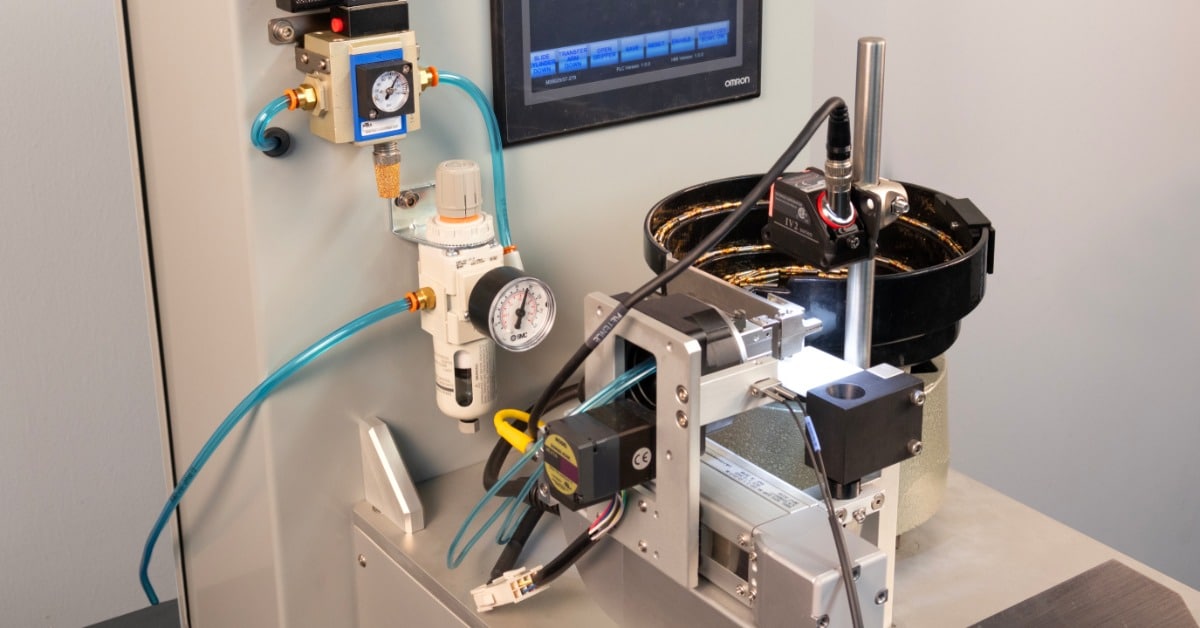
Automatic crimping machines help with FOD control by moving components from a feeder or magazine toward the crimping position, thereby reducing the number of individual contact transfers. Operators still replenish supplies and respond to process interruptions, but they no longer need to handle every contact separately during normal operation.
Magazine and Bowl Feeding Approaches
Magazine systems organize contacts for sequential delivery. This arrangement can be useful when a production team must keep contact types separated and change between configurations. Vibratory bowl systems instead orient and advance compatible contacts automatically, supporting repetitive termination work.
Neither arrangement makes FOD impossible. A feeder can jam, an operator may load a magazine incorrectly, or a technician can spill contacts during replenishment. The advantage lies in reducing routine opportunities for components to move unpredictably.
Tri-Star Technologies offers an example through its Porta-TAC Series, which uses magazine feeding for closed-barrel contacts. Its design illustrates how automatic delivery can reduce repeated contact placement while supporting changeovers between jobs.
Fewer Movements, Better Workstation Discipline
Reducing hand movements has a practical benefit beyond cycle time. When an operator handles fewer loose components, the workstation can remain more orderly, making unexpected parts easier to notice. A consistent feeding process also gives supervisors a clearer sequence to review when something goes missing.
However, operators should never assume that a feeder guarantees containment. Routine inspections must include the feeder, surrounding surfaces, floor area, and any fixtures near the crimping station.
Why Material Accountability Still Matters
FOD programs depend on knowing what entered a work area and what left it. A machine may advance contacts reliably, but its feeding mechanism alone cannot confirm that every component became an approved termination.
Reconcile Inventory, Output, and Scrap
Teams can compare starting contact quantities with completed crimps, rejected parts, and unused inventory. This reconciliation helps identify discrepancies before a harness proceeds to another work area. Where production involves multiple shifts, consistent documentation also prevents uncertain handoffs between technicians.
Some contact loading equipment includes counting functions. Tri-Star’s CrimpXpress automatically loads compatible machine-style contacts into hand crimp tools and includes a loading counter to support inventory management. That count provides useful process information, but personnel must still reconcile it against accepted work and scrap.
Define a Response to Missing Components
A missing contact should prompt a documented response rather than an informal assumption that the component fell into a trash container. Workers need instructions for stopping affected work, checking tools, examining the surrounding area, and escalating unresolved discrepancies.
The procedure should identify who authorizes work to resume. This matters especially during aircraft assembly and maintenance, where uncertainty about a metallic object can extend beyond the immediate workbench.
Reducing Interruptions and Unplanned Handling
Contact Orientation and Wire Insertion
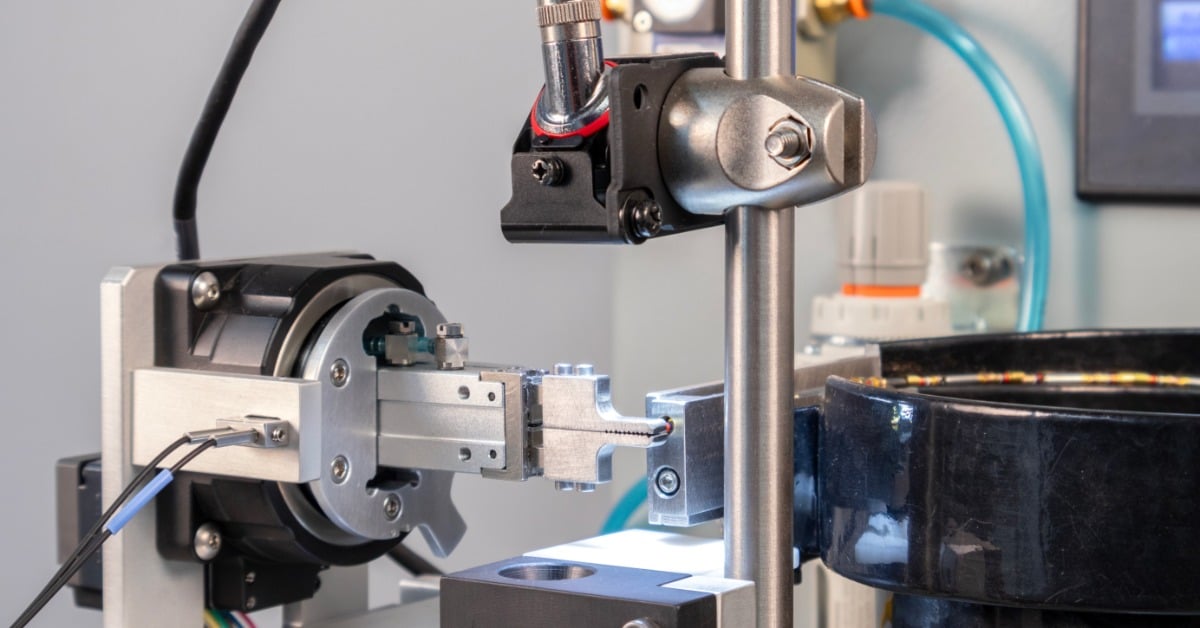
Contact orientation affects whether a machine can present the part correctly for crimping. Systems that manage orientation automatically can reduce the amount of manual adjustments necessary during repetitive work. Wire guides can also help operators position conductors consistently and avoid damage such as birdcaging.
Tri-Star’s TAC-ULTRA helps operators manage contacts that require precise positioning before crimping. Rather than relying on workers to adjust each contact manually, the system identifies how the contact sits and adjusts its position for proper insertion. This reduces unnecessary handling and helps keep small components within a controlled workflow. By limiting manual adjustments, manufacturers can reduce opportunities for contacts to become misplaced during production.
Keep Troubleshooting Within Existing Procedures
Operators should follow instructions when equipment detects a problem or stops suddenly. They should account for contacts inside the machine before clearing a fault and inspect the surrounding area afterward. Qualified personnel should perform equipment servicing when necessary.
Building a More Complete FOD Prevention Process
Automation works best when it complements clear material-handling rules. The production environment, contact dimensions, and job variability should inform the choice of feeder as well as the inspection routine that surrounds it.
Practical Steps for Crimping Workstations
Production teams should apply these controls consistently across stations, including areas where technicians strip wires or inspect finished crimps.
- Store contacts in identified, controlled containers.
- Limit open quantities to the current operation.
- Record loaded, accepted, rejected, and unused contacts.
- Collect stripped insulation and wire scraps promptly.
- Inspect equipment after jams, refills, and changeovers.
- Investigate unexplained count differences before releasing work.
Training must cover handoffs between shifts and temporary interruptions, not merely normal machine operation.
Reduce Loose-Contact Exposure at the Source
FOD control begins with recognizing where small components can escape. Controlled feeding reduces repetitive contact handling, while sound inventory practices and workstation inspections help teams detect discrepancies before they become problems. No single machine replaces a disciplined prevention program.
When evaluating crimping equipment, consider how its feeding method fits your contact inventory and handling procedures. Tri-Star Technologies’ automated crimping systems provide several approaches to contact feeding. Review the available configurations or contact Tri-Star to discuss your application and FOD-control requirements.