




Plasma Cleaning vs. Laser Cleaning: A Comparison
Manufacturers have several ways to prepare surfaces before bonding, coating, printing, or other production steps. Plasma cleaning and laser cleaning both use energy rather than conventional solvent-based processes, but they affect surfaces in very different ways.
Choosing between them requires more than comparing equipment specifications. The right process depends on what needs to come off the surface, what material sits underneath it, and what must happen to that surface afterward. Our comparison of plasma cleaning vs. laser cleaning breaks down how each method works, their differences, and which best suits applications like adhesion preparation.
How Plasma Cleaning Works
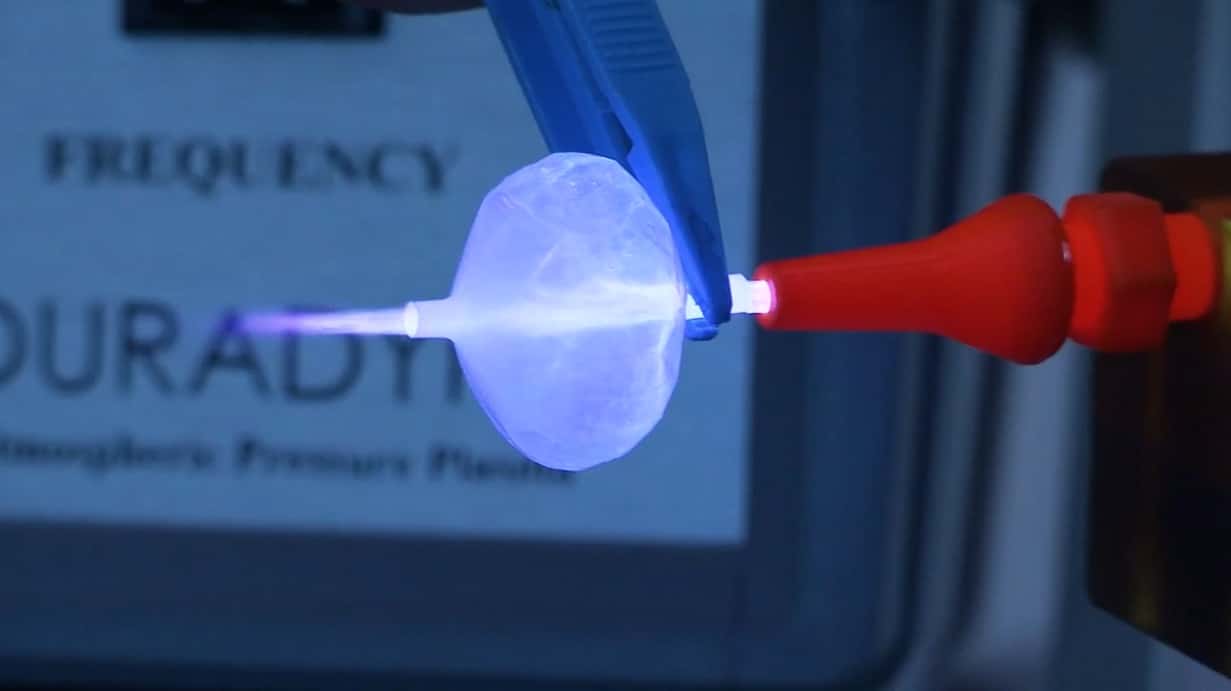
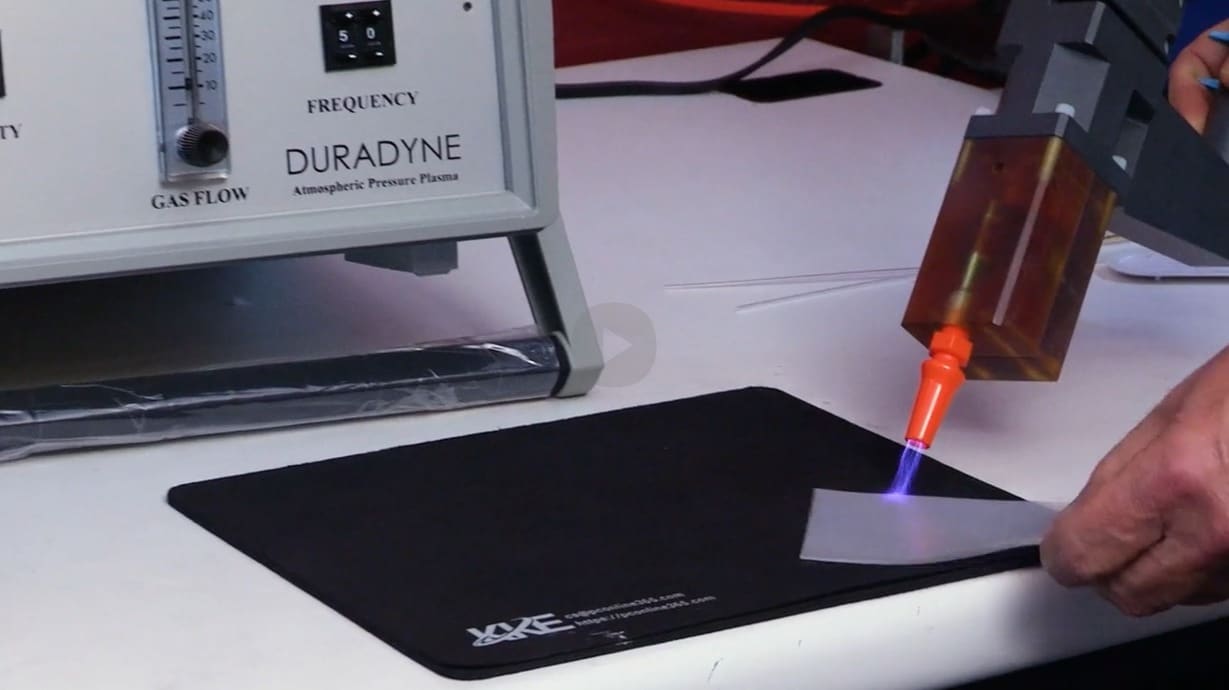
Plasma cleaning exposes a material to ionized gas containing energetic particles. As these particles interact with the surface, they can break down and remove certain organic contaminants while changing surface characteristics at a very small scale.
The process can also increase surface energy. That change improves wettability, which can help adhesives, inks, coatings, and potting compounds spread across and adhere to materials that would otherwise present bonding challenges.
More Than Contaminant Removal
Cleaning represents only one function of plasma processing. In many manufacturing applications, surface activation matters just as much as removing contamination.
Low-surface-energy polymers such as PTFE, ETFE, polyethylene, and polypropylene can resist adhesives or coatings even when they appear physically clean. Plasma treatment can modify the outermost surface so that subsequent materials interact with it more effectively.
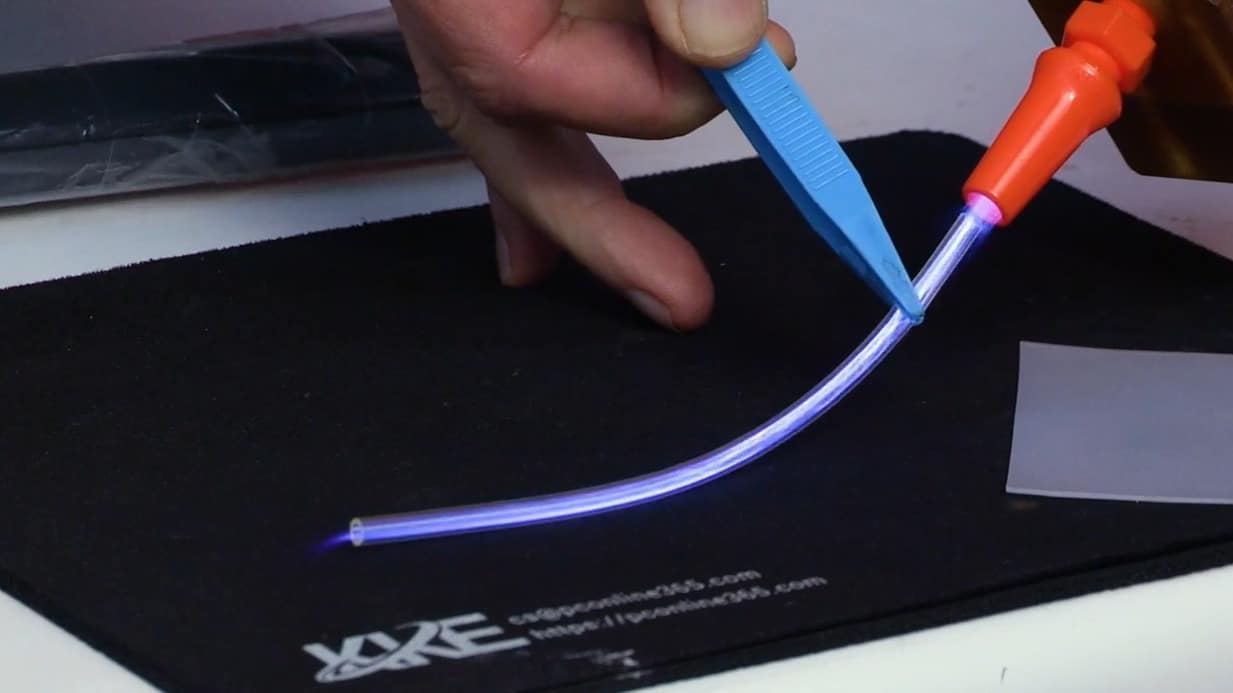
Tri-Star Technologies’ PT-1000, for example, uses low-current plasma at atmospheric pressure for continuously moving wires and cables. Its treatment affects a thin surface layer rather than requiring bulk changes to the underlying material.
How Laser Cleaning Works
Laser cleaning uses concentrated light energy to remove material from a surface. Depending on the process and contamination, laser energy can cause a coating, oxide, residue, or other unwanted layer to separate from the underlying substrate.
Unlike atmospheric plasma treatment, which can clean while modifying surface energy, laser cleaning primarily serves as a material-removal process. Manufacturers use it when they need to eliminate substances such as corrosion, paint, scale, or localized deposits without relying on blasting media or chemical stripping.
Controlled Material Removal
A laser system can direct energy into a precise treatment area. This makes laser cleaning useful when manufacturers need selective removal rather than treatment across an entire component.
The effectiveness of the process depends heavily on how the contaminant and substrate respond to the wavelength and process settings.
Plasma Cleaning vs. Laser Cleaning: The Primary Difference
The clearest distinction when comparing plasma cleaning vs. laser cleaning lies in what each technology does to the surface.
Plasma cleaning works particularly well when a manufacturer must address thin organic contamination or prepare a difficult surface for a subsequent process. The treatment can improve wettability and adhesion without mechanically removing a substantial layer of material.
Laser cleaning focuses more directly on removing material from the surface. It can strip away thicker or more strongly attached contaminants that plasma processing may not effectively address.
Comparing Surface Effects
Surface preparation does not always require visible material removal. In applications involving adhesives, inks, or coatings, the issue may come from low surface energy rather than an obvious contaminant.
Plasma processing addresses that problem directly. Exposure to plasma can alter the chemistry and energy of the outer surface, helping liquids spread instead of forming beads or pulling away from the material.
Laser cleaning takes another route. By removing the unwanted surface layer, the process exposes the material beneath it.
Comparing Material Compatibility
Material type plays a major role in process selection. Polymers, composites, metals, wires, cables, and coated components respond differently to energetic treatment.
Plasma treatment is particularly valuable for polymer surfaces that are difficult to bond or print. Tri-Star’s PT-1000 supports materials that include PTFE, FEP, ETFE, silicone, PE, PP, PET, glass, and various composites. Different process configurations allow manufacturers to accommodate a range of wire and cable constructions.
Laser cleaning can work well with many metal components because the laser can remove corrosion, oxides, coatings, or process residues. However, manufacturers must qualify process settings for the substrate and unwanted layer.
Comparing Production Integration
Both technologies can support automation, but the ideal system layout depends on the production process.
Tri-Star’s PT-1000 is a modular system for continuously moving wires and cables. Interchangeable electrode configurations accommodate different gauges, while split-electrode configurations can support extrusion and other applications in which the wire has no free end. Manufacturers can integrate treatment into a moving production line rather than handling material in a separate batch process.
Laser cleaning systems can also integrate with automated equipment. Robots, motion systems, or scanning optics can direct the beam across parts as they move through production.
Which Process Fits Adhesion Preparation?
For adhesion improvement, plasma processing offers a significant advantage because it directly addresses surface energy.
A part can appear clean yet still resist an adhesive. This problem appears frequently with low-surface-energy materials where poor wettability prevents a liquid from spreading consistently. Plasma treatment increases surface energy so the adhesive or coating can make better contact with the substrate.
Laser cleaning can support adhesion when first removing an unwanted coating or contaminant. It does not, however, serve the same surface-activation function as plasma treatment.
Which Process Fits Heavy Contaminant Removal?
Laser cleaning becomes more relevant when the primary requirement involves removing a substantial surface layer.
Rust, scale, coatings, and similar materials present a different challenge from molecular-level contamination or low surface energy. In these cases, a laser can deliver concentrated energy to remove the unwanted material from specific areas.
Plasma systems are not substitutes for every type of aggressive cleaning. Using plasma where the application requires significant coating or corrosion removal can create a mismatch between the technology and the process requirement.
This distinction makes defining the surface condition before selecting equipment essential.
Safety and Process Control Considerations
Both processes require engineered safety measures and properly trained personnel.
Plasma equipment can involve high voltage, ultraviolet radiation, ozone generation, and process-related airborne contaminants. Manufacturers should use appropriate enclosures, interlocks, ventilation, and operating procedures for the specific installation. Users should rely on trained personnel for installation and maintenance rather than servicing plasma equipment without proper qualifications.
Laser systems require controls appropriate to the laser source and application. Enclosures, interlocks, extraction systems, and access controls can help manage exposure and byproducts that cleaning produces.
In either case, process qualification matters as much as equipment selection. Manufacturers should establish operating parameters that achieve the required surface condition without exceeding the limits of the material or production process.
Match the Cleaning Method to the Surface Requirement
Plasma cleaning and laser cleaning may appear similar because both replace conventional contact-based surface preparation with energy-driven processes. Their functions, however, differ considerably.
Plasma processing works particularly well when manufacturers need to remove light surface contamination while improving wettability or adhesion. Laser cleaning fits applications that require selective removal of corrosion, coatings, oxides, or other unwanted surface material.
For wire and cable manufacturers facing adhesion, coating, printing, or bonding challenges, Tri-Star Technologies offers plasma treatment systems that integrate into demanding production environments. Contact Tri-Star Technologies to discuss your application and determine whether plasma surface treatment fits your material and process requirements.