




Important Standards for Crimping Wires for Wire Harnesses
Wire harness quality depends on much more than attaching a contact to a conductor. In aerospace and defense applications, a crimp must deliver mechanical integrity, electrical reliability, repeatability, and traceability across every assembly that leaves production. That is why manufacturers cannot treat crimping as a simple bench task or a matter of operator preference. They need tooling, inspection methods, and process controls built around the standards that govern qualified crimping systems.
That standards-based approach matters because the crimp itself is only one part of the equation. The tooling, accessories, inspection gages, and approved tool configurations all influence whether a finished connection will perform as intended. Below, we’ll delve deeper into the important standards for crimping wires for wire harnesses.
Why Crimping Standards Matter
A good crimp must do more than pass a visual check. It must hold up under vibration, handling, installation, and long-term service conditions without introducing variability that could compromise the harness. In high-reliability environments, standards create a common reference for tool qualification, inspection, and repeatable performance instead of leaving crimp quality to inconsistent setup habits or undocumented shop practices.
Standards also make it easier to control variation from run to run. When manufacturers use approved tooling and inspection methods, they can train operators more consistently, validate production processes more clearly, and catch deviations before they become field failures. That becomes even more important when programs involve military connectors, removable contacts, or other applications where workmanship and tool selection must align with established aerospace requirements.
AS22520 Is the Core Standard Family
The Society of Automotive Engineers (SAE) states that AS22520 covers the general requirements for crimping tools, accessories, and inspection gages for connecting removable contacts, coaxial connectors, ferrules, terminals, end caps, and splices to wire conductors used in connectors, terminal junction systems, and other electrical or electronic components. That makes it central to any discussion of qualified crimp tooling for aerospace and military wire harness work.
This distinction matters because AS22520 is not just a single high-level reference that manufacturers cite once and move on from. It establishes the standards framework for the tooling system itself, which means the conversation must include the correct tool types, associated accessories, and the gaging methods used to verify that the tooling continues to perform within specification.
Why the AS22520 Slash Sheets Matter
The AS22520 family becomes practical through its slash sheets. These documents define specific crimp tool types and applications, which is why engineers and buyers cannot rely on a broad reference to AS22520 alone when evaluating tooling for a particular contact family. The exact slash sheet matters because it ties the tool configuration to the termination style and approved use case.
SAE’s AS22520/1 page states that the document permits the cancellation and supersession of MIL-DTL-22520/1, and similar AS22520 slash sheets have carried that transition forward for legacy military tooling references. In practice, manufacturers may still encounter older M22520 or MIL-DTL-22520 language in drawings, tool callouts, and shop discussions, but the current standards family is AS22520.
Inspection Gages and Tool Verification Still Matter
Qualified crimping does not stop with buying the right crimper. AS22520 explicitly includes inspection gages and accessories within its scope, which reflects an important reality of production: tooling must be verified, not merely assumed to be correct because it carries the right designation. Crimp quality depends on maintaining tool condition and confirming that the crimping system continues to operate within the required limits.
That is why process discipline matters just as much as equipment selection. Tool wear, setup drift, improper accessory use, or unverified adjustments can all undermine a crimping operation even when the nominal tooling family is correct. In aerospace and defense wire harness work, standards support repeatability by requiring manufacturers to think beyond the final crimp and pay attention to the system that produces it.
Semi-Automated Crimping Is Becoming a Bigger Standards Conversation
Crimping standards are also evolving alongside production methods. AS7099 reflects emerging standards work around semi-automated crimping tools, and while not yet publicly available, it points to an important shift in the industry’s thinking. Semi-automated crimping is becoming a standards topic, which reflects how seriously manufacturers now view repeatability and controlled tool performance in higher-volume, higher-reliability applications.
As manufacturers move beyond purely manual crimping, they need standards that reflect how semi-automated systems handle contact presentation, wire positioning, cycle control, and verification in real production settings. For companies like Tri-Star Technologies that work directly in this space, that emerging standards activity reinforces the idea that automation must support qualified crimp performance, not just output speed.
Where Automation Supports Standards Compliance
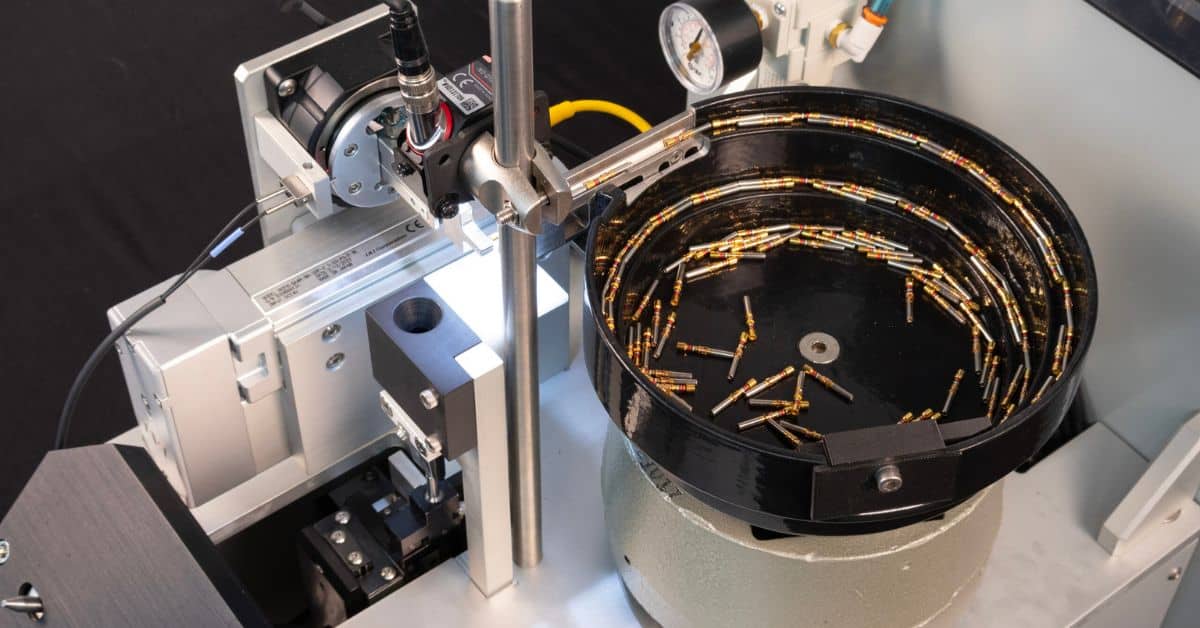
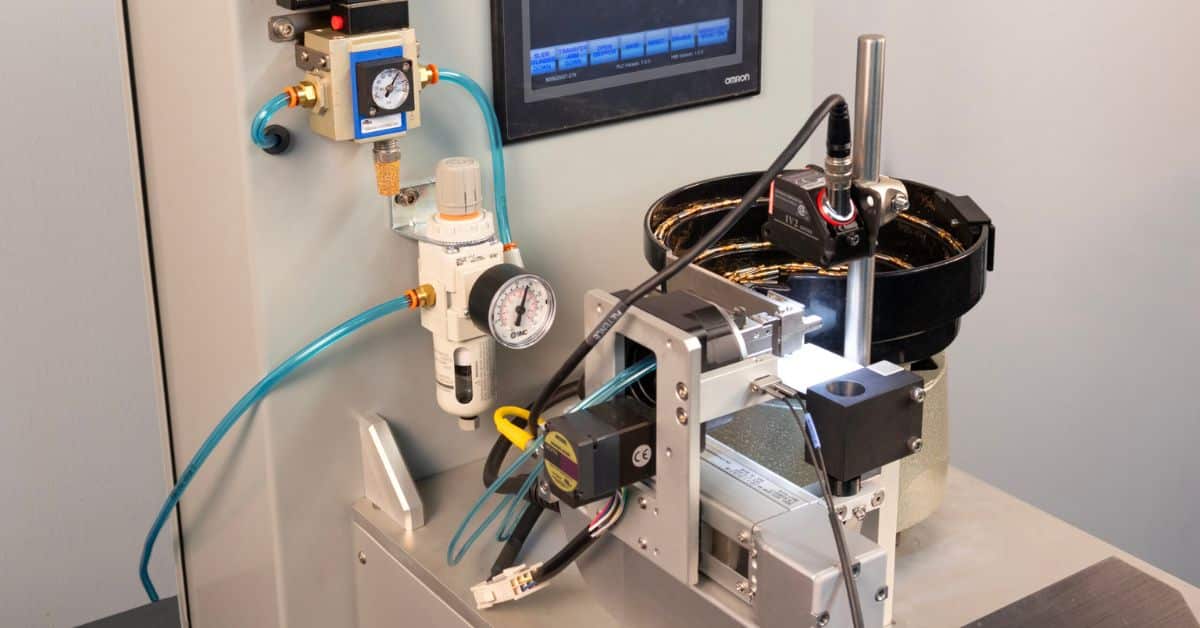
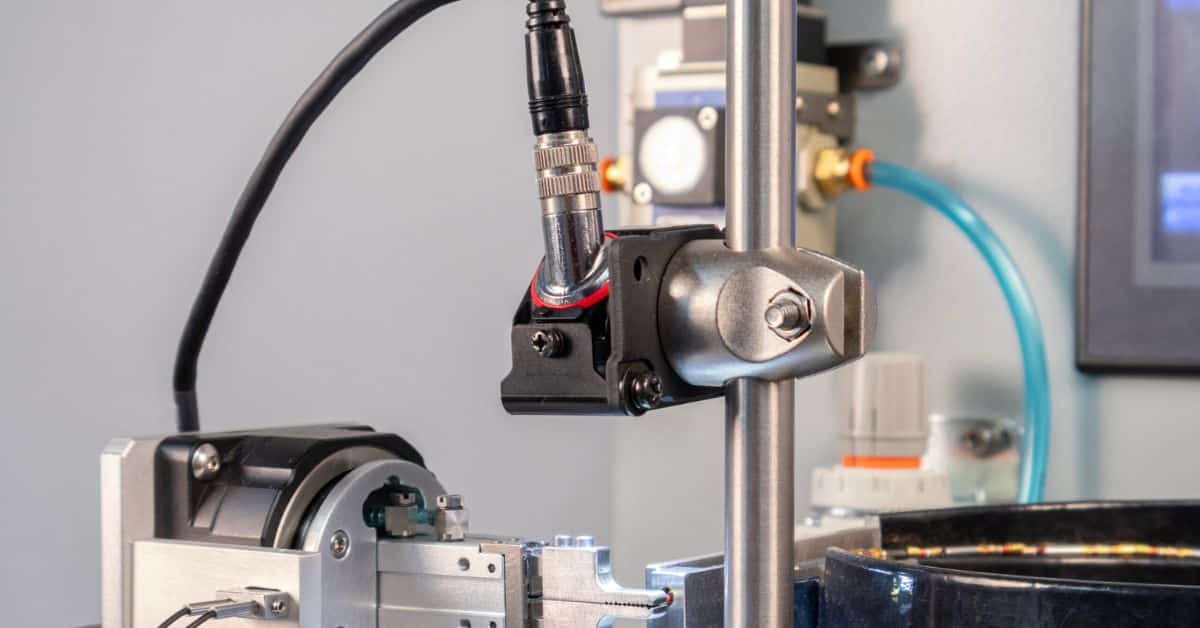
This is where an automatic crimping machine becomes more than a labor-saving device. Tri-Star Technologies’ automated crimping line is positioned around repeatable contact handling and controlled production, with the TAC X Series rated for up to 1,800 crimps per hour with built-in quality control to prevent bird caging. The TAC-ULTRA also uses a camera and gripper system to determine contact orientation and includes a funnel to guide wire, features that directly support consistency in crimp setup and execution.
That alignment matters because standards-driven crimping depends on more than cycle speed. Tri-Star Technologies’ crimping equipment ties directly to the military-spec tooling ecosystem, with the Porta-TAC series meeting Mil-C-M22520/7 spec and the TAC-series being compatible with Mil-C-22520/7. In other words, automation supports standards compliance when it reduces operator-induced variation while staying grounded in the qualified tool standards that aerospace and defense manufacturers already use.
Choosing The Right Standards Approach for Your Harness Program
While there are many important standards for crimping wires for wire harnesses, deciding which suits your harness program comes down to the careful review of the applicable tooling specification, slash sheet, and customer requirements. For military applications, AS22520 should be the starting point because it defines the broader framework for crimp tools, accessories, and inspection gages, while the related slash sheets identify the specific qualified tooling paths that apply to particular termination types. That gives manufacturers a more accurate basis for decision-making than relying on generic discussions of harness workmanship alone.
From there, manufacturers can evaluate whether their tooling, inspection routines, operator practices, and automation strategy truly support repeatable crimp quality in production. That is the real value of understanding the right crimping standards. They help manufacturers build a controlled process around qualified tooling instead of trying to inspect quality into the harness after the fact.
Conclusion
As semi-automated crimping tools become a larger part of production and standards work such as AS7099 moves forward, manufacturers will need an even sharper focus on repeatability, verification, and tooling control. That is why process control, inspection discipline, and equipment capability all matter together.
A standards-based crimping program is about using the right tooling and the right production approach to produce consistent, reliable crimps at scale. If your team is evaluating crimping systems for aerospace or military wire harness work, contact Tri-Star Technologies to discuss automated crimping solutions built around repeatability, qualified tooling practices, and high-reliability production.