




Does Plasma Treatment Add Value to Plastics?
Plastics make modern manufacturing faster, lighter, and more cost-effective. They also create a familiar headache: many plastics resist inks, coatings, and adhesives because their surfaces repel bonding at a molecular level. When labels lift, coatings fish-eye, and adhesive joints fail early, the issue typically starts at the surface.
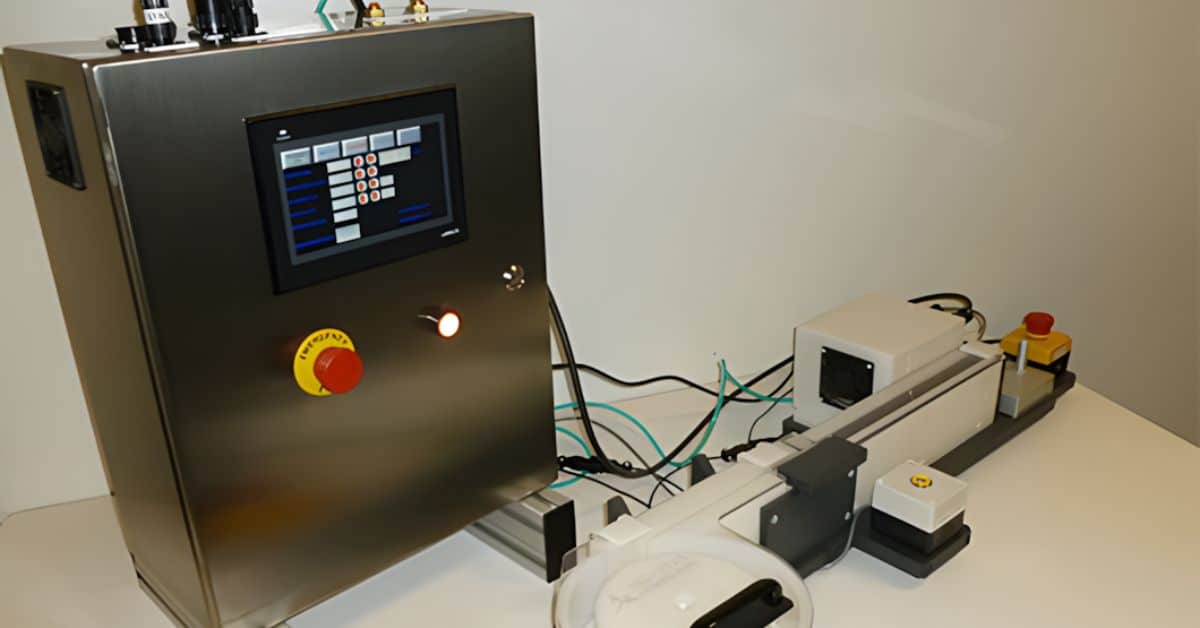
One method for overcoming this obstacle is plasma surface treatment. Below, we’ll explain how plasma treatment adds value to plastics through surface cleaning and activation.
Why Plastics Fight Adhesion in the First Place
Most plastics leave molding, extrusion, or machining with low surface energy. Low surface energy makes a surface behave like a rain jacket: liquids bead up instead of spreading. That beading prevents inks, coatings, or adhesives from contacting enough surface area to anchor well.
Manufacturing residues make the situation worse. Mold release agents, plasticizers, slip additives, fingerprints, and airborne oils can sit on the surface even when parts look clean. If those contaminants stay in place, they act like a barrier between the plastic and whatever you apply next.
What Plasma Treatment Does at the Surface Level
Plasma is an energized gas that carries reactive species to the part surface. In surface treatment applications, plasma interacts with only the outermost layer of the plastic. That targeted interaction lets you improve bonding and wetting without changing the part’s bulk properties or dimensions in a meaningful way.
Plasma treatment typically delivers value through three mechanisms. It removes organic contamination, increases surface energy, and introduces polar functional groups that help materials bond. Depending on the plastic and process, it can also create a subtle micro-texture that increases effective surface area for mechanical interlocking.
Cleaning: Removing the Invisible Barrier
Many adhesion problems come from what you cannot see. A part can pass a visual inspection and still carry enough residue to cause print defects or adhesive failure. Plasma cleaning breaks down and volatilizes organic contamination, so the surface becomes more receptive to the next process step.
That cleaning effect can replace or reduce solvent wiping in certain workflows. It also improves consistency when parts move through high-volume lines where manual cleaning introduces variation.
Activation: Increasing Surface Energy and Wettability
After cleaning, plasma activates the surface by raising surface energy. Higher surface energy improves wettability, which means inks, coatings, and adhesives spread instead of beading. Better wetting increases real contact area, which supports stronger bonding and a more uniform appearance.
Teams typically notice this value immediately in printing and coating. When wetting improves, you see fewer voids, fewer pinholes, and fewer edge-lift issues on labels or overmolded graphics.
Functionalization: Helping Adhesives and Coatings “Grab” The Surface
Some plasma processes add polar functional groups to the surface. Those groups can improve chemical affinity with certain adhesives, primers, and coatings. In practical terms, this helps a formulation form a more durable interface with plastics that usually resist bonding.
This matters most when you need performance over time. If a product sees humidity, temperature swings, vibration, or sterilization cycles, the interface between layers frequently fails first. Plasma functionalization helps you build margin into that interface so the finished product holds up longer.
The Tri-Star Difference
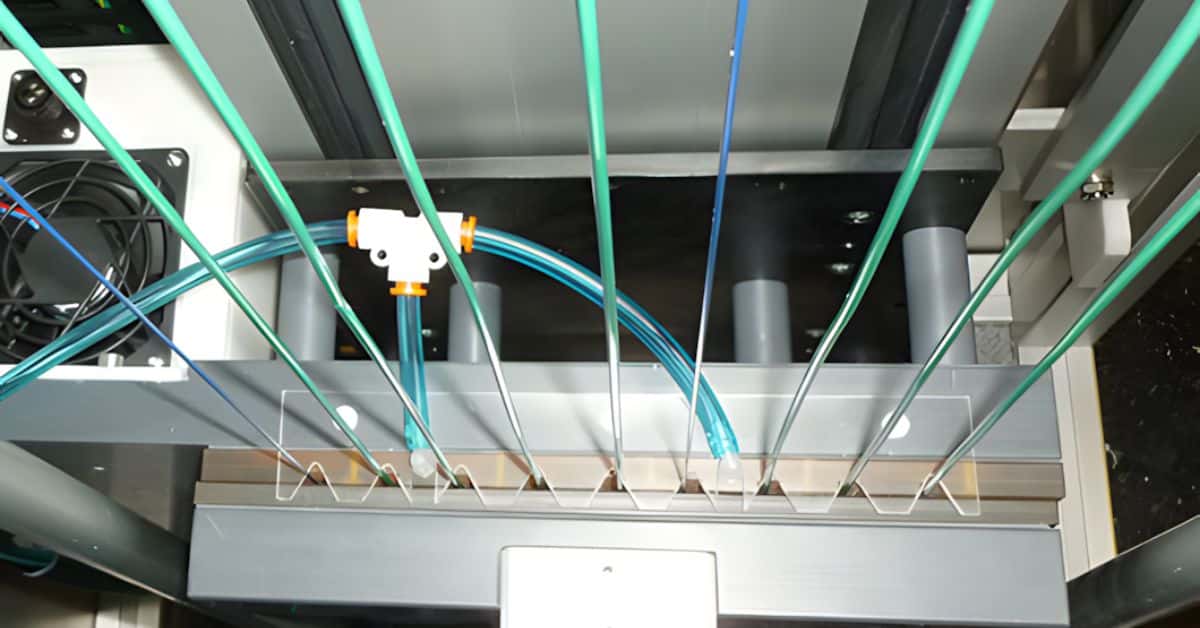
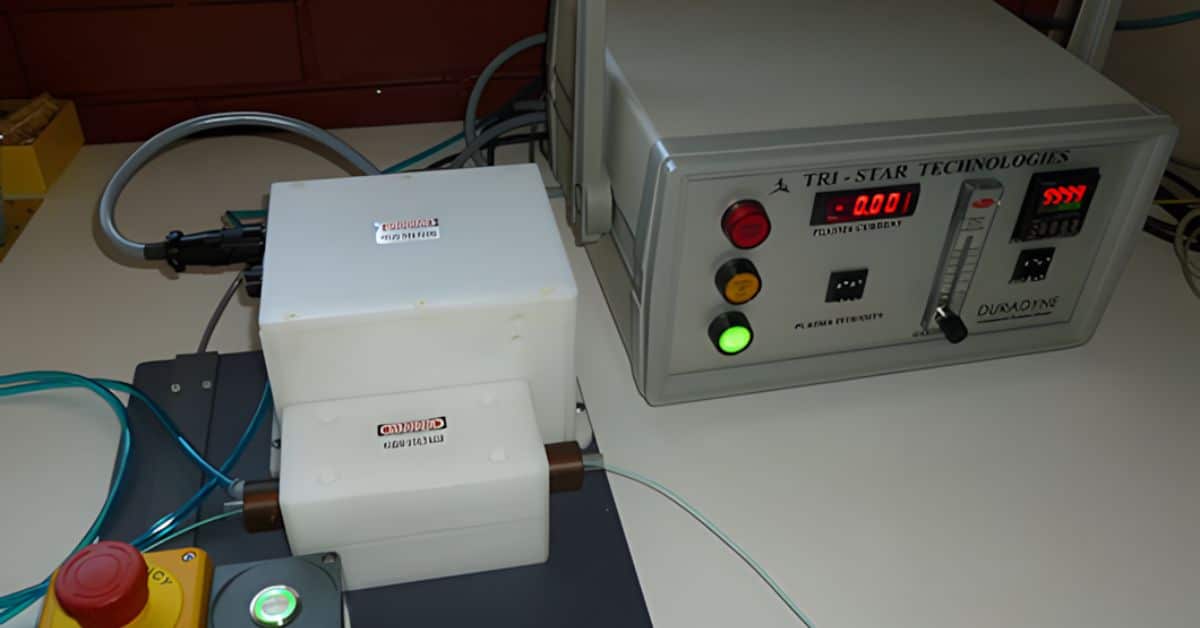
In comparison to the more common corona discharge treatments, Tri-Star Technologies’ plasma systems generate uniform, cold plasma at atmospheric pressure, which helps support consistent activation on thermally sensitive polymer surfaces common in medical device manufacturing. That combination can be a better fit when you need surface prep that improves wetting and adhesion without adding unnecessary thermal stress to the substrate.
Which Plastic Applications Benefit the Most
Printing, Coding, and Label Adhesion
Plastics show up everywhere in packaging, medical components, consumer goods, and electronic housings. Many of these parts need legible printing, permanent labels, or high-contrast coding. Plasma treatment improves ink wetting and label adhesion so markings stay in place through handling, cleaning, and environmental exposure.
It also reduces visual defects. Better wetting can reduce smearing, crawling, and uneven coverage, especially on curved or textured parts. When you stabilize surface prep, you stabilize the appearance that customers see first.
Bonding and Assembly with Adhesives
Adhesive bonding can replace fasteners, reduce weight, and simplify assemblies. It can also fail quickly if the surface does not support strong adhesion. Plasma treatment helps adhesives develop consistent bond strength on plastics that otherwise behave “non-stick.”
This value shows up in fewer early failures and fewer borderline bonds that pass initial inspection but fail in the field. It also supports tighter process windows because you rely less on perfect operator technique during manual application.
Coatings, Painting, and Protective Layers
Coatings protect parts from chemicals, abrasion, UV exposure, and wear. Poor wetting and contamination can cause fish-eyes, craters, and peeling that force rework. Plasma treatment improves coating wet-out and adhesion, so coatings cure into a more uniform film.
Manufacturers also use plasma to improve primerless paint adhesion in some workflows. Even when you still use a primer, plasma can reduce variability so you see fewer defects across the lot. That consistency matters when you coat large batches or run automated paint lines.
What “Value” Looks Like in Real Manufacturing Terms
Now that we understand plasma treatment and its applications, how does it add value? Plasma treatment earns its keep when it improves outcomes you can measure. In many operations, surface preparation sits upstream of expensive steps like printing, coating, assembly, or packaging. If the surface causes failures after you invest time and materials, scrap and rework costs rise quickly.
Plasma can reduce those downstream losses by making adhesion and appearance more predictable. It also supports automation because you can treat parts in-line with controlled parameters rather than relying on manual cleaning. When you standardize surface prep, you see fewer process interruptions from mysterious, intermittent defects.
Consistency Across Shifts, Lots, and Suppliers
Plastics can vary by resin grade, additive package, or supplier. Even within the same material callout, small differences can change how a surface behaves. Plasma surface treatment systems help reduce sensitivity to those variations by cleaning and activating the surface in a repeatable way.
That repeatability matters when you scale production. It also matters when you qualify a new supplier or switch materials for availability reasons. A robust surface prep step can make your process more resilient.
Reduce Dependence on Solvents and Primers
Many teams use solvents or primers to force adhesion on plastics. Those approaches can work, but they can also introduce handling hazards, drying time, and variability. Plasma treatment can reduce reliance on harsh chemicals in certain applications, while still supporting strong adhesion.
You still need to validate any change in a regulated environment. Plasma does not automatically replace every primer or cleaning step, and some formulations still require a specific primer chemistry. The advantage is that plasma gives you another lever to improve adhesion without adding wet chemistry into the workflow.
How To Evaluate Plasma for Your Plastic Process
Start with the failure you want to eliminate or the performance you want to raise. Identify where defects appear, what the surface looks like right before failure, and what changes in materials or handling correlate with problems. Then test plasma treatment on representative parts using the same downstream ink, coating, or adhesive you run in production.
Conclusion
Plasma treatment provides immense value to plastics when surface behavior undermines printing, coating, or bonding. If you want to know whether plasma makes sense for your specific plastic and application, treat it like any other process development decision. Define the performance target, test with real materials and parts, and confirm results with repeatable metrics. If you need a partner for process evaluation or system selection, Tri-Star Technologies’ engineers can help you assess fit and build a surface prep approach that supports your production goals.