




An Overview of MIL-SPEC Crimped Machined Contacts
Electrical engineers designing systems for aerospace, defense, and other high-reliability environments need every connection to perform with consistency. Connectors must withstand vibration, thermal cycling, mechanical stress, and repeated handling without compromising signal integrity or power delivery.
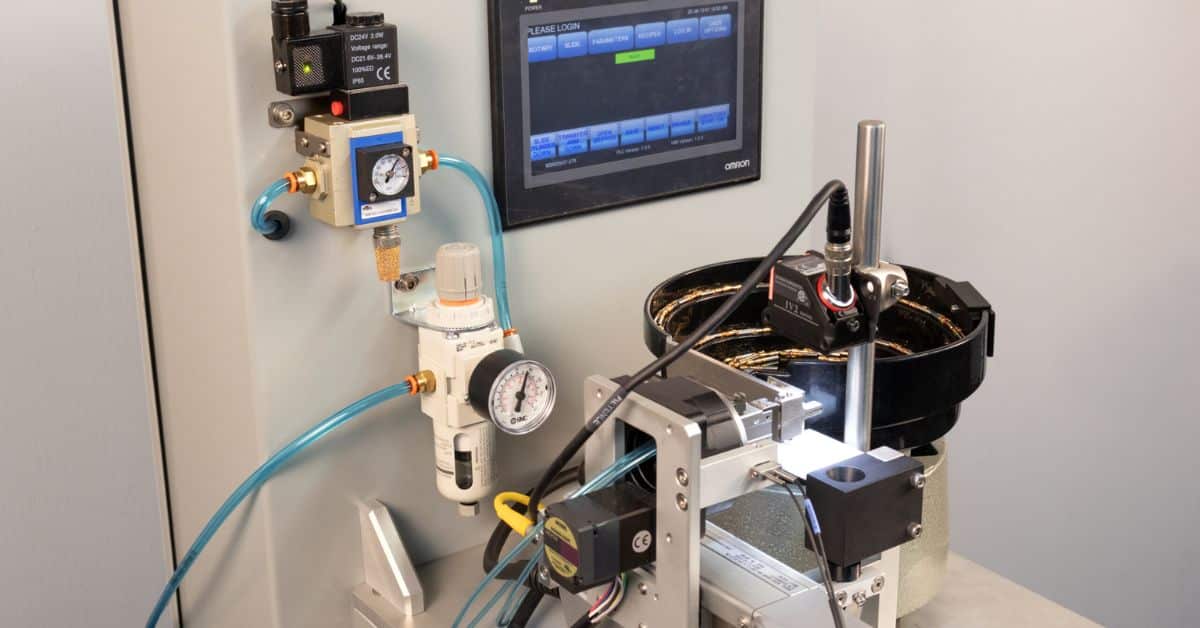
That is one reason MIL-SPEC crimped machined contacts continue to play an important role in critical interconnect systems. In production environments where throughput, repeatability, and documentation all matter, these contacts also align well with automated processing strategies that help manufacturers maintain quality while meeting strict MIL-SPEC requirements. If you’d like to learn more about this technology, you’ve come to the right place. Below, we provide an overview of MIL-SPEC crimped machined contacts, from what they are to why they matter and more.
What Are MIL-SPEC Crimped Machined Contacts?
MIL-SPEC crimped machined contacts are precision-turned connector contacts that meet military specification requirements for mechanical and electrical performance. Manufacturers create these contacts from solid metal stock and include a crimp barrel that allows them to attach securely to a wire conductor. Engineers use them in connector systems that must deliver reliable service under demanding operating conditions. In many of these environments, manufacturers also rely on automated crimping equipment to bring greater consistency to a highly regulated termination process.
The term “machined” refers to the production method. Instead of forming them from stamped sheet metal, manufacturers turn the contact from bar stock to create highly controlled dimensions and a more consistent geometry. That precision supports reliable insertion, retention, and mating inside the connector assembly. That same emphasis on control also shapes how these contacts are terminated in production, especially when manufacturers need to scale output without giving up precision.
The term “crimped” refers to the wire termination style. Installing a crimped machined contact requires compressing the crimp barrel around a stripped conductor with calibrated tooling. With correct process control, the result is a stable mechanical and electrical bond suited for high-performance applications. For manufacturers working to maintain MIL-SPEC compliance, the quality of that crimping process is just as important as the quality of the contact itself.
Why Precision Matters in High-Reliability Connectors
In any high-performance cable assembly, the quality of the finished termination depends on more than the wire crimping machine on the production floor. Contact design, material quality, and dimensional accuracy all shape the reliability of the final connection. Production equipment still plays a major role, though, because automated crimping systems help translate good contact design into repeatable, compliant results at scale.
Precision matters because connector performance depends on the interaction of several features. The contact must seat properly in the connector cavity, maintain stable engagement during mating, and support predictable electrical continuity over time. Small dimensional changes in the mating end or the crimp area can affect assembly quality and long-term reliability. That is why engineers and manufacturers alike pay close attention to both component tolerances and the automation strategy used to terminate them.
How Crimped Machined Contacts Differ from Other Contact Styles
Crimped machined contacts differ from stamped contacts in both construction and performance. Stamped contacts come from flat metal strips, which can support cost-effective, high-volume manufacturing. In less demanding applications, that approach may be sufficient. In harsh environments, it may not deliver the same level of mechanical stability or dimensional repeatability.
Machined contacts offer more control because they come from solid material. That construction supports tighter tolerances, more consistent concentricity, and better-defined mating surfaces. In crimped versions, it also allows for a more precise crimp barrel geometry, which helps improve termination consistency across production runs. Those benefits become even more valuable when paired with automated crimping equipment built to support precision processing in regulated manufacturing environments.
Key Performance Benefits of MIL-SPEC Crimped Machined Contacts
MIL-SPEC crimped machined contacts support reliable performance in challenging conditions. One major benefit is mechanical durability. A well-designed machined contact can tolerate repeated mating cycles while preserving its electrical and structural characteristics.
Another benefit is stable conductivity. The precision of the machined interface helps maintain consistent contact force between mating surfaces, which supports low and repeatable contact resistance. When paired with a properly executed crimp, the result is a dependable conductive path from wire to connector interface. In automated production settings, that repeatability helps manufacturers reduce variation from one termination to the next while supporting the documentation and process control expected in MIL-SPEC applications.
Common Materials and Finishes
Material selection has a direct effect on the performance of crimped machined contacts. These contacts are commonly made from copper alloys chosen for a balance of conductivity, strength, and machinability. The specific alloy depends on the electrical requirements of the application as well as the mechanical demands on the connector.
Plating is equally important to long-term reliability. Gold plating is popular in signal applications because it resists corrosion and supports stable, low-resistance performance. Silver is common for higher-current applications where conductivity is a priority. Nickel as an underplate or barrier layer supports finish performance and durability.
Where Electrical Engineers Use MIL-SPEC Crimped Machined Contacts
Aerospace and defense systems frequently use MIL-SPEC crimped machined contacts, but their value extends beyond those sectors. Engineers also specify them in rail systems, industrial controls, medical electronics, and specialty transportation platforms where reliability and service life are critical.
In avionics, control systems, and mission equipment, connectors face vibration, temperature changes, and strict maintenance requirements. Engineers need contacts that can preserve both mating integrity and wire termination quality across long service intervals. Crimped machined contacts suit that role because they combine precision contact geometry with a repeatable termination method. This is also where automated crimping solutions from Tri-Star Technologies fit into the conversation, helping manufacturers process contacts with the consistency, repeatability, and control that highly regulated applications require.
Design Factors To Evaluate Before Specification
Selecting the right MIL-SPEC crimped machined contact requires a full review of both connector performance and termination requirements. Engineers should start with the electrical criteria. Current load, voltage level, and signal sensitivity all influence contact size, material, and plating selection.
Mechanical Conditions
Engineers should review mechanical conditions early. Connector shell size, mating frequency, vibration exposure, insertion force, and retention requirements all affect which contact design is appropriate. A contact that performs well in a static application may not deliver the same results in a mobile or high-vibration system.
Compatibility
Wire compatibility is another critical factor. The crimp barrel must match the conductor size, strand class, and insulation profile in the assembly. Engineers should verify that the contact, wire range, tooling, and inspection method all align before finalizing a design for production.
Environmental Conditions
Environmental requirements should complete the evaluation. Temperature extremes, moisture, chemicals, salt exposure, and contamination can all influence performance over time. A strong specification process considers the contact as part of the full interconnect system rather than as an isolated component.
The Role of Crimp Quality in Contact Performance
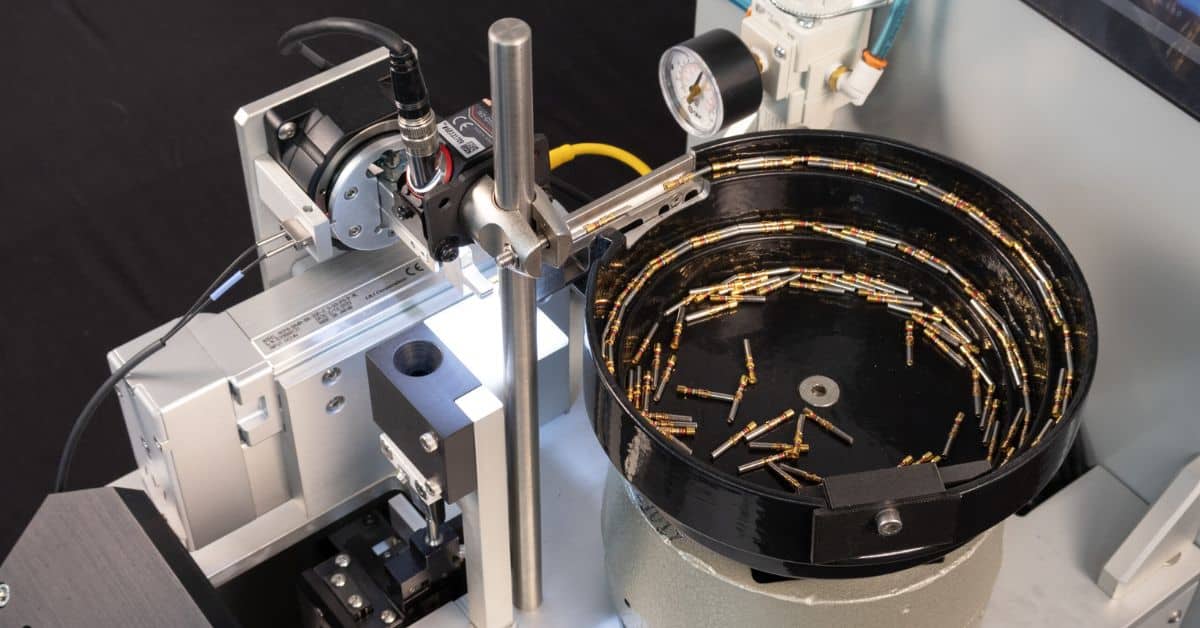
A machined contact can only perform to its full potential when the crimp process is in control. The crimp must create a secure mechanical bond and a stable electrical interface without damaging the conductor or deforming the contact. That outcome depends on correct tooling, validated settings, and disciplined process monitoring.
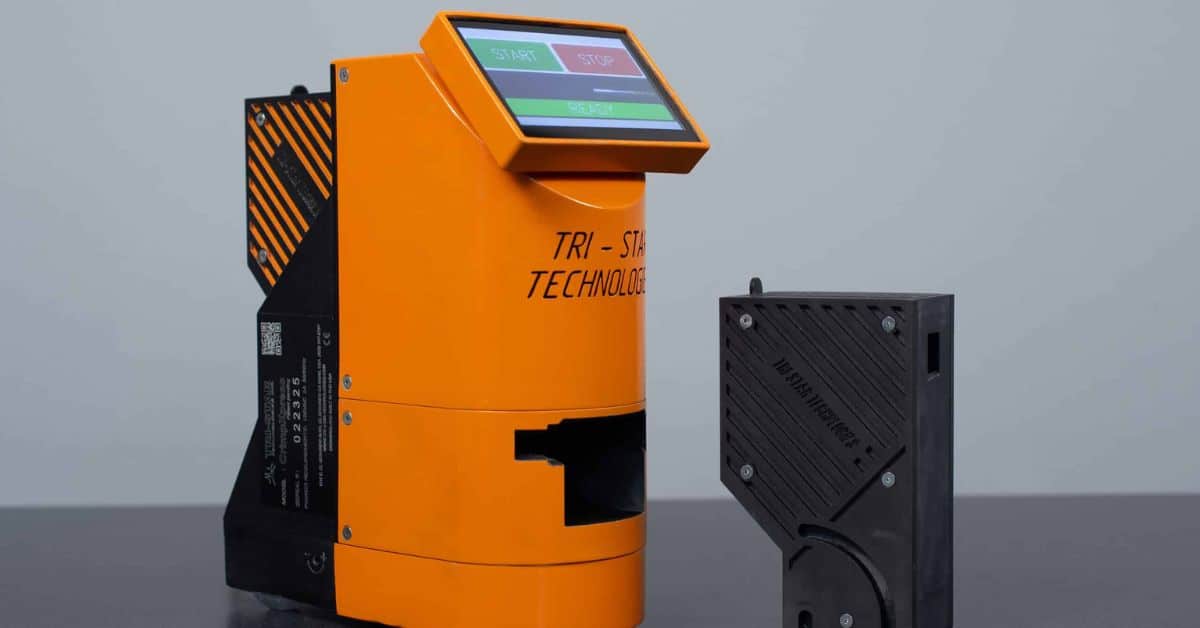
For electrical engineers, this highlights an important principle. Connector reliability depends on both contact design and assembly execution. A precision-machined contact gives the process a solid starting point, but the final result still depends on proper wire stripping, accurate crimp height, and consistent inspection. Tri-Star Technologies addresses this need with automated crimping equipment designed to help manufacturers manage this precise process more efficiently while supporting stringent quality standards.
Why MIL-SPEC Crimped Machined Contacts Remain a Strong Choice
MIL-SPEC crimped machined contacts remain a strong choice because they address two essential requirements at the same time. They provide the dimensional precision necessary for stable connector performance, and they support a repeatable termination method that performs well in demanding environments.
Their value comes from the combination of controlled geometry, durable materials, and validated assembly potential. Tight tolerances improve fit and mating consistency. High-quality plating supports reliable conductivity. A properly executed crimp creates a robust connection between wire and contact that holds up under mechanical and environmental stress. When manufacturers pair these contacts with automated crimping systems, they can better support throughput goals while maintaining the consistency required for MIL-SPEC compliant production.
Final Thoughts
We hope our overview of MIL-SPEC crimped machined contacts helps you understand why they’re a solution for connector systems that demand precision, durability, and repeatable performance. From material selection and plating to contact geometry and crimp quality, every detail affects long-term electrical and mechanical integrity in harsh environments.
Understanding these factors helps engineers make stronger specification decisions and build interconnect systems that support consistent performance over time. Just as important, manufacturers need production equipment that can automate this highly regulated and precise crimping process without compromising quality. Tri-Star Technologies supports that effort with automated crimping solutions built to help customers improve efficiency, maintain repeatability, and support MIL-SPEC compliance in demanding applications.