




How To Choose a Reliable Supplier for Laser Marking Machines
Finding the right supplier is just as important as finding the right model when it comes to laser marking machines. Suppliers influence production uptime, code quality, operator safety, validation, and your ability to scale without replacing equipment too soon. A strong supplier is also a partner who helps you match the system to your materials, throughput goals, compliance needs, and production environment.
That matters because laser marking does not serve a single market or workflow. Aerospace manufacturers may need durable, legible identification on wire and cable, while pharmaceutical teams may need non-invasive marking on sensitive products and packaging. Keep reading to learn how to choose a reliable supplier for laser marking machines.
Start With Application Fit
Before you compare vendors, define what you need the machine to do every day. Material type, part geometry, production speed, mark content, and traceability requirements should shape the conversation from the start. If a supplier cannot talk clearly about your exact substrate and line conditions, that is a warning sign. A good partner should ask questions about your parts, cycle times, environmental constraints, and inspection standards before recommending a system.
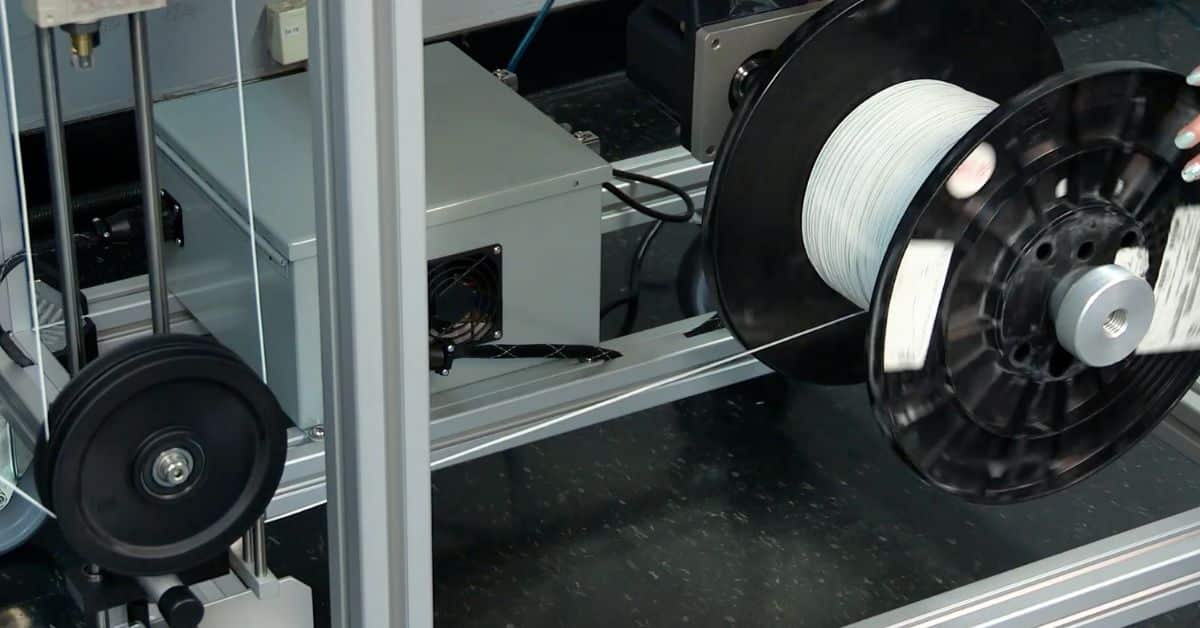
Application fit also means understanding whether the machine can support your full process rather than just the marking step. Wire marking systems should be part of a continuous workflow that can dereel, measure, mark, cut, and coil in sequence, so they can cater to integrated production needs rather than standalone marking alone. That type of process awareness can reduce manual handling, improve consistency, and simplify line planning.
Look for Real Industry Experience
Reliable suppliers usually have a visible track record in the industries they serve. That experience matters because each market brings its own quality demands, validation pressures, and material challenges. Aerospace, medical device, wire and cable, and pharmaceutical applications do not all measure success the same way. A supplier with direct experience in your sector is more likely to understand legibility standards, substrate sensitivity, documentation needs, and production expectations.
At Tri-Star Technologies, we’ve worked across aerospace and defense, wire and cable, automotive, medical device manufacturing, and pharmaceutical markets for nearly 40 years. That kind of range means we’re intimately familiar with multiple production environments and regulated use cases. When you vet any supplier, look for this same depth. Review their case examples, industry pages, and product documentation to confirm they have solved problems like yours before.
Evaluate Technical Knowledge, Not Just Sales Language
A dependable supplier should be able to explain why a given machine fits your application. That includes laser wavelength, mark resolution, software controls, part handling, and process limits. Vague claims about speed or quality do not help much if the supplier cannot connect those claims to your materials and production targets. Technical conversations should feel specific, grounded, and practical.
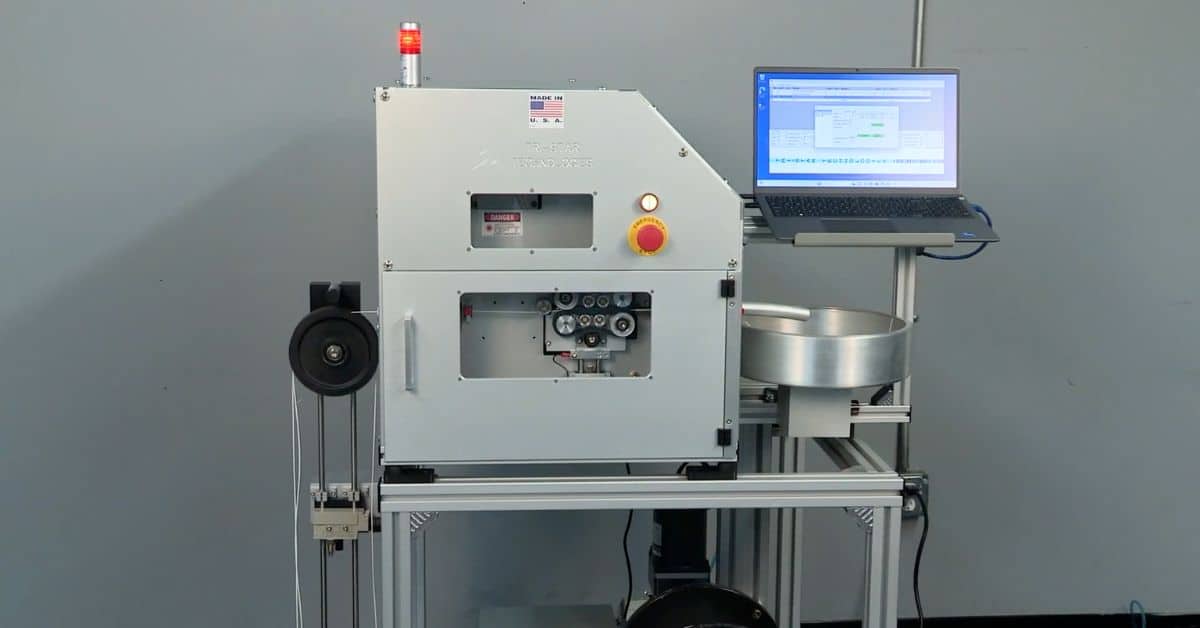
You can see the difference in product documentation. At Tri-Star, our M100LFG-TT-METEOR manual describes in detail our UV laser wire marker and its software controls for fonts, spacing, orientation, scanner settings, and message handling, along with guidance for setup, diagnostics, and parameter adjustments. That level of documentation shows that the machine is more than a black box. It also means that we understand how operators and engineers will use the system in real production.
Ask About Validation, Testing, and Demonstration Support
You should not have to buy a machine before you know whether it can meet your mark requirements. You want a laser marking machine supplier who can support sample testing, proof-of-concept work, or a structured demo that reflects your actual materials and code content. That gives you a way to evaluate legibility, throughput, contrast, and repeatability before you commit capital.
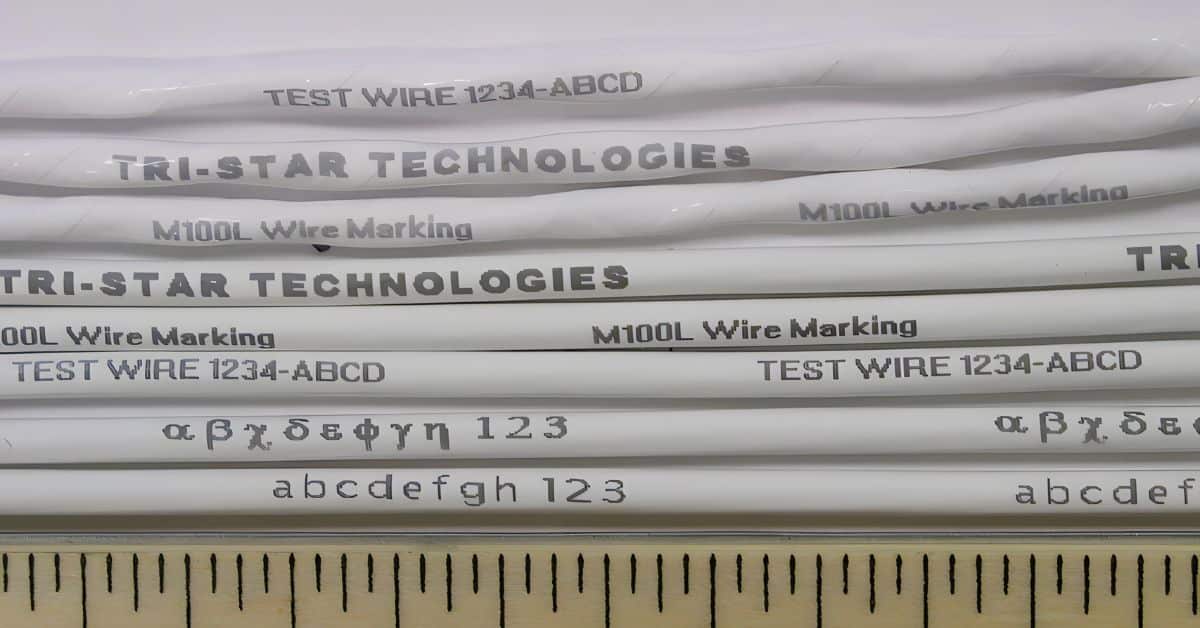
This step becomes even more important when your parts are sensitive or regulated. In pharmaceutical contexts, for example, Tri-Star offers our non-invasive UV laser marking for tablets, capsules, and packaging. In aerospace wire marking, our marking machines emphasize print quality and process because we understand they feature in processes that carry real consequences. A supplier should be ready to discuss these requirements in concrete terms and show results on your parts, not generic samples.
Review Safety and Compliance Readiness
Laser systems bring safety responsibilities, so supplier credibility should include a serious approach to protective design and operator safeguards. The American National Standards Institute (ANSI) uses Z136.1 as the foundation of laser safety programs, and the Occupational Safety and Health Administration (OSHA) points to the ANSI Z136 series as the recognized voluntary consensus standards for laser safety guidance. Suppliers should understand how to discuss enclosures, interlocks, training, labels, exhaust needs, and safe operating procedures in a way that aligns with your facility requirements.
Tri-Star Technologies is intimately familiar with these safety standards and regulations. Our machine manuals describe enclosed operation, interlocks, trained-personnel requirements, and hazards related to radiation exposure, electrical systems, moving parts, and airborne contaminants. When a supplier documents these issues clearly, it suggests a stronger understanding of what implementation really involves.
Consider Service, Training, and Documentation
A machine purchase should come with a support structure, not just a shipment. Reliable suppliers provide installation guidance, operator training, troubleshooting documentation, and access to qualified service support. That helps your team ramp faster and recover faster when issues appear. It also reduces the risk of process drift from guesswork on the production floor.
Tri-Star’s manuals show why documentation matters. The PT-1000 plasma manual and the M100LFG-TT-METEOR manual both include installation procedures, processing guidance, maintenance notes, spare parts information, and explicit warnings that trained personnel should handle service work. That kind of support content helps buyers evaluate whether the supplier thinks beyond the sale and plans for long-term operation.
Think Beyond the Purchase Price
When choosing a reliable supplier for laser marking machines, you want to look past the sticker price for the machine. Low prices can look attractive at first, but the wrong system can cost more through downtime, weak marks, poor fits, limited software, or missed production goals. A better evaluation looks at total value over time. You want a supplier that can help you maintain output quality, reduce manual steps, and keep the system aligned with future production needs.
This is where product flexibility matters. Suppliers that offer configurable systems, application-specific solutions, and integrated workflows can support growth more effectively than vendors that sell a rigid package.
Choose a Partner, Not Just a Vendor
The best supplier relationship feels collaborative from the first conversation. The supplier listens, asks technical questions, explains tradeoffs, and documents the path forward clearly. They do not rush past your material constraints or compliance concerns. They work to understand what success looks like in your plant and then recommend a system that can support it with confidence.
If you are evaluating suppliers now, focus on proof, not promises. Look for industry experience, application knowledge, documentation quality, safety readiness, and a clear support model. When a supplier can connect all those pieces, you are far more likely to end up with a laser marking solution that performs reliably from installation through daily production.