




Benefits of Switch From Manual to Automated Crimping
Crimping remains a highly manual process in many wire harness manufacturing environments. Operators may spend an entire eight-hour shift loading contacts into hand tools, positioning wires, actuating the tool, and repeating the process hundreds of times.
That approach can work for low-volume production, repairs, and particular jobs. At higher volumes, however, manual crimping can consume substantial labor while placing repetitive physical demands on operators.
Automated crimping gives manufacturers another option. By switching from repetitive manual contact handling and crimping functions to automated equipment, manufacturers can benefit from increase output while creating a more standardized process.
Why Manufacturers Move Away From Manual Crimping
Hand crimping depends heavily on operator involvement. Each cycle requires the technician to handle a contact, correctly position it, insert the wire, actuate the tool, and prepare for the next connection.
Those individual movements may take only seconds, but the time adds up across an entire production shift. Increasing output under a manual model may require additional operators, more workstations, or longer production hours.
Automation changes that labor equation. Instead of completing every mechanical step by hand, the operator can oversee a machine that handles contact feeding and crimping functions automatically.
Automated Crimping Can Save Significant Production Time
For manufacturers processing large quantities of terminated wire, an auto crimping tool can dramatically reduce the amount of operator time required per connection.
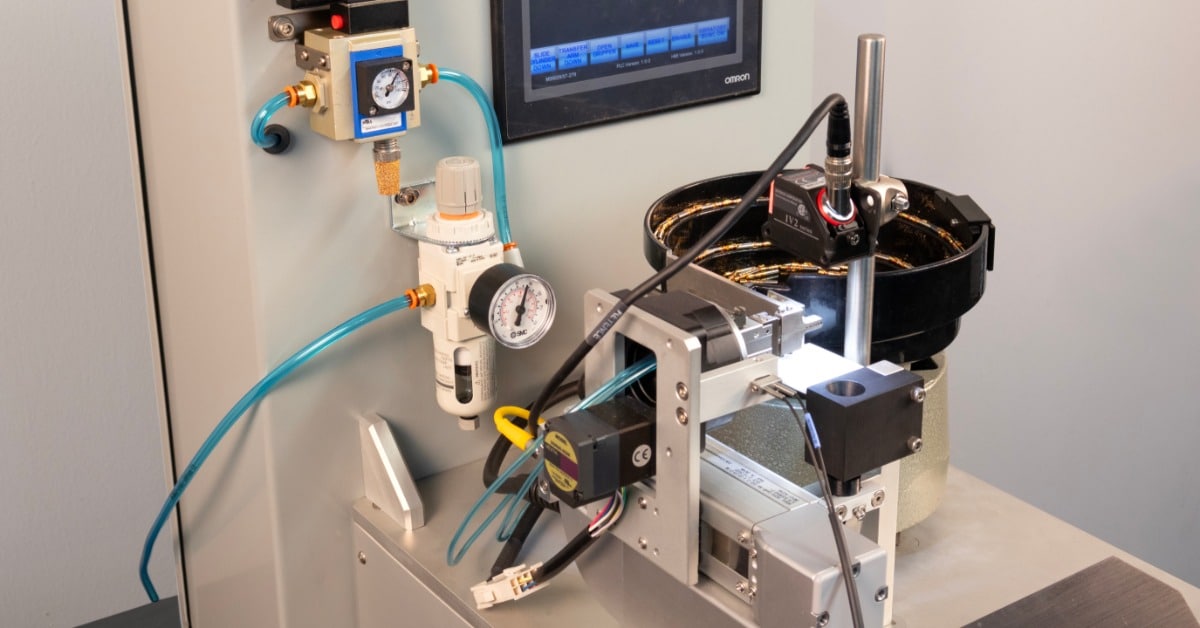
Tri-Star’s X Series uses fully automatic, wire-triggered operation and can reach speeds of up to 1,800 crimps per hour. Our TAC-X, Porta-TAC, and TAC-ULTRA systems can increase productivity significantly over manual processing, depending on the application.
More Output Without Adding the Same Amount of Labor
Automation does not remove the operator from the process. Instead, it changes where skilled labor contributes the most value.
An operator no longer must spend an entire shift frequently manipulating individual contacts and actuating a hand tool. That employee can oversee production, prepare materials, verify quality, and support other wire-processing operations while the equipment performs repetitive crimping functions.
This becomes particularly valuable when crimping creates a bottleneck between wire preparation and final harness assembly. Increasing crimping capacity can help manufacturers keep those stages moving at a more balanced pace.
Automation Can Reduce Repetitive Physical Strain
A key benefit of switching from manual to automated crimping is lightening the physical demands on operators.
Performing the same hand and wrist motions for much of an eight-hour shift can create significant operator fatigue and physical strain. The issue becomes more prominent when employees must maintain production pace while frequently loading contacts and actuating crimp tools.
Automated equipment transfers many of those repetitive mechanical actions to the machine. Employees still play a critical role in the process, but their work becomes less dependent on continuous manual tool operation.
Partial Automation Can Also Reduce Manual Work
A manufacturer does not necessarily need to automate every aspect of crimping at once. Equipment can automate individual steps that consume substantial operator time.
Tri-Star’s CrimpXpress, for example, automatically loads machined contacts into compatible hand crimp tools in less than two seconds. The design lets manufacturers retain familiar hand tooling while eliminating much of the repetitive loose-contact loading of manual production.
Automated Crimping Improves Process Reliability
Speed matters little if greater output comes at the expense of quality. In aerospace and defense wire processing, manufacturers must maintain consistent crimp results while meeting demanding production requirements.
Manual crimping introduces variables because the process depends on frequent operator actions. Automated systems control more of those actions mechanically, helping establish a repeatable cycle from one connection to the next.
Tri-Star’s automatic crimpers incorporate features that support controlled processing. The TAC X Series and TAC-ULTRA include wire-size selectors with built-in sensors, automatic shutdown if the equipment detects a malfunction, and electronically controlled operating functions.
Better Contact Control Can Help Reduce FOD Risks
Foreign object debris (FOD) presents a serious concern in aerospace production and maintenance environments. A tiny loose contact may seem insignificant on a workbench, but a dropped component can create a much larger problem if it becomes loose debris in or around an aircraft.
Manual crimping requires technicians to handle individual contacts repeatedly. Depending on the production setup, workers may carry small contacts in containers or pouches and remove them one at a time during assembly.
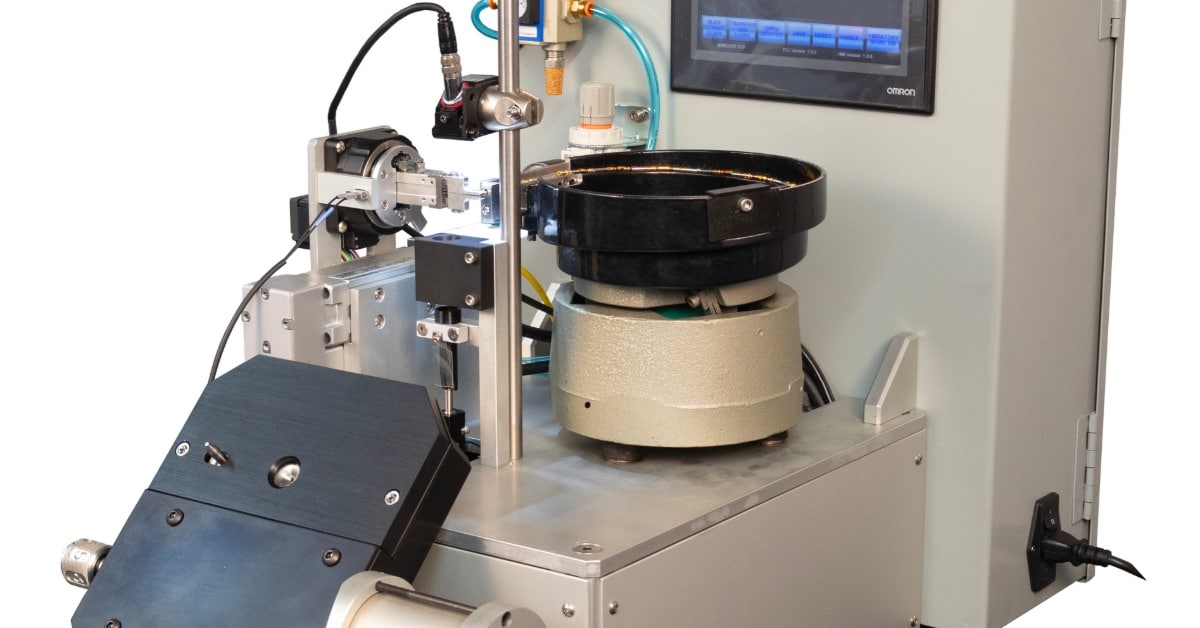
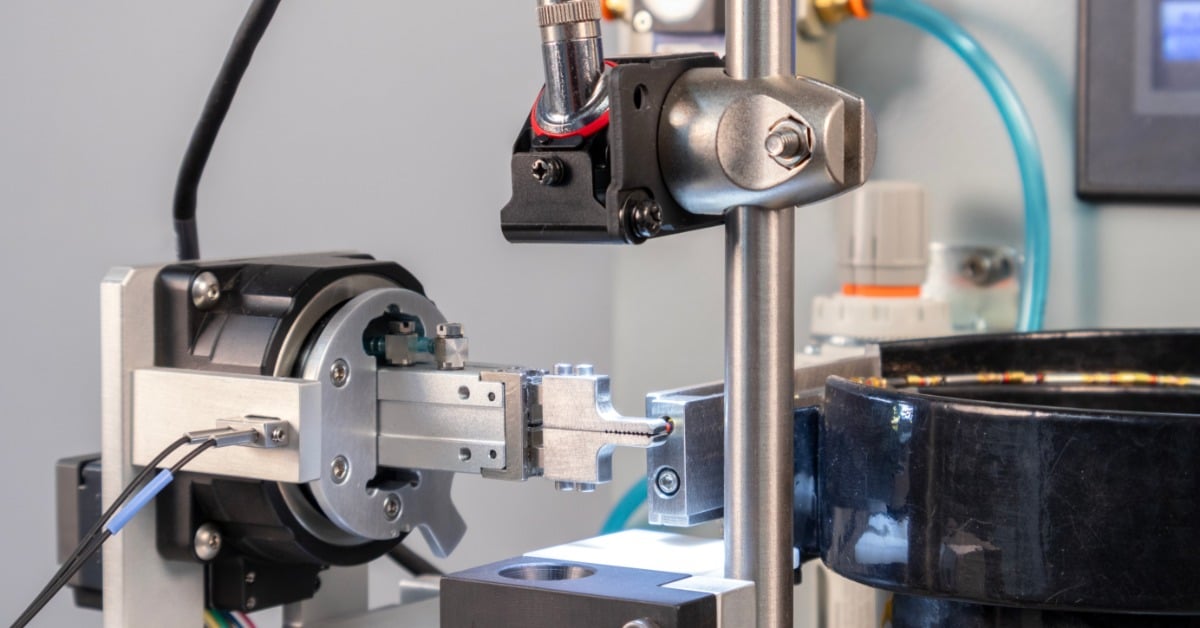
Automated feeding changes that process. Systems such as Tri-Star’s TAC X Series automatically move contacts from a feeder into the crimping position, reducing the need for operators to continuously handle individual loose contacts.
Automated Systems Can Improve Inventory and Cycle Control
Manual crimping can also make production tracking more cumbersome. When operators work from loose contacts, manufacturers need reliable methods for tracking component use and production results.
Automated equipment can provide greater visibility into that activity. Cycle counts can help production teams compare crimp quantities with expected output, while controlled feeding can make contact consumption easier to manage.
Tri-Star’s CrimpXpress includes a counter that can support inventory control. Features like this give manufacturers another source of production information without requiring operators to manually tally every completed cycle.
The Cost of Automation Against Manual Labor
Automated crimping equipment requires an upfront investment, so manufacturers need to consider more than maximum crimping speed when evaluating the financial case.
Manual production carries costs of its own. Every crimp consumes technician time, and increasing capacity can require additional labor or production hours. Repetitive contact handling also uses skilled employees for tasks that equipment can perform automatically.
A useful return-on-investment analysis should compare the equipment investment with current labor requirements, expected production volume, throughput constraints, and the amount of manual contact handling that automation can eliminate.
Quality and Material Control Also Affect ROI
Direct labor savings represent only part of the calculation. Manufacturers can also consider the financial effects of production consistency, FOD control, contact accountability, and less dependence on hand operations.
The exact return will vary by facility, which makes a universal payback period unrealistic. A high-volume aerospace harness operation may justify automation differently than a lower-volume facility processing frequent contact changes.
Choosing the Right Level of Crimping Automation
The best system depends on what makes the existing manual process inefficient. Some manufacturers need substantially higher production speed. Others need faster contact changes, reduced loose-part handling, or a way to automate contact loading while retaining established hand tooling.
Facilities should evaluate production volume, contact variety, wire sizes, existing equipment, and operator workflow before selecting a system. Manufacturers that want to connect crimping with automated wire-processing equipment may also need an integration-oriented configuration rather than a stand-alone workstation.
Move Beyond the Limits of Manual Crimping
Manual crimping can remain appropriate for special and low-volume work, but relying on hand tools for constant production introduces practical limits. Manufacturers must account for the labor every connection consumes, the physical demands on operators, and the handling of small contacts.
Automation gives manufacturers a way to address those issues while creating a more controlled crimping process. Faster production can reduce labor requirements, while automatic contact handling can support reliability and stronger FOD practices.
For aerospace, defense, and other demanding wire-processing applications, the right level of automation depends on the contacts, production volumes, tooling requirements, and existing workflow. Contact Tri-Star Technologies to discuss your crimping process and determine which automatic crimping system best fits your production requirements.