




The Role of Capsule Printing Machines in GMP Environments
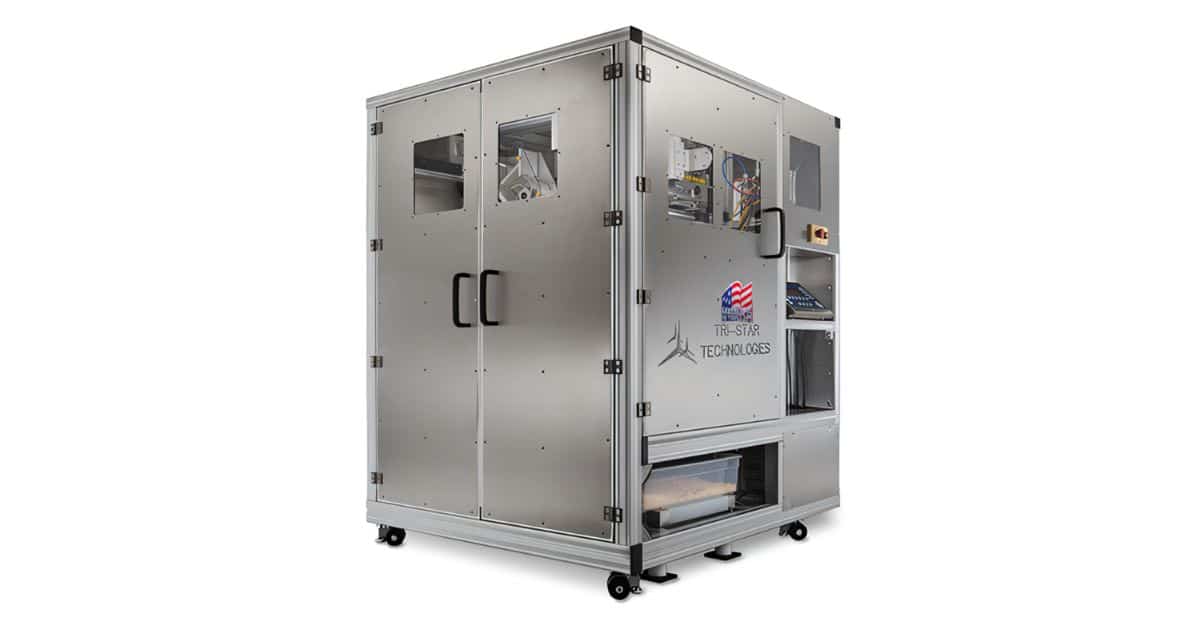
In pharmaceutical manufacturing, product identification is a vital part of the control strategy. When manufacturers work within Good Manufacturing Practice (GMP) requirements, every step that affects product quality, traceability, and line integrity carries weight. Capsule printing fits into that framework because it supports accurate identification at the dose level while reinforcing the procedural discipline GMP demands.
Capsule printing is about more than appearance. In a regulated environment, readable on-dose marking can support batch control, reduce confusion between similar products, and strengthen packaging-line verification. Keep reading to learn more about the role of capsule printing machines in GMP environments.
Why Product Identification Matters Under GMP
GMP requires manufacturers to maintain control over labeling and packaging materials from receipt through use. Under 21 CFR 211.122, firms must establish and follow written procedures for the receipt, identification, storage, handling, sampling, examination, and testing of labeling and packaging materials before those materials enter use.
That requirement connects directly to product identification. If the wrong labeling or packaging component enters the line, the risk extends beyond paperwork. It can create product mix-ups, misidentification, reconciliation problems, and avoidable deviations. Under 21 CFR 211.130, manufacturers must also follow written procedures that verify the correct use of labels and packaging materials for each drug product, with explicit controls to prevent mix-ups and cross-contamination.
Capsule printing supports this environment by making the product itself easier to identify during production and inspection. It does not replace line clearance, reconciliation, or documentation. It adds a practical layer of control that helps operators and quality personnel confirm that the right product is moving through the right process.
How Capsule Printing Supports GMP Objectives
Legibility and Product Differentiation
In pharmaceutical operations, clear identification reduces ambiguity. That becomes especially important when a site handles multiple strengths, similar appearances, shared packaging areas, or frequent changeovers. A consistent, readable mark helps distinguish products during setup, in-process checks, and final inspection.
That clarity supports GMP because the system depends on correct identification at every handoff. Operators must confirm what they are running, inspectors must verify what they are reviewing, and packaging teams must know that the dosage form matches the batch record and line setup. Reliable on-dose printing makes those checks more direct and more defensible.
Traceability at the Dose Level
Capsule printing machines also play a key role in traceability in GMP environments. Every batch must connect to a documented manufacturing history, and every process step must support that chain of control. Capsule printing machines strengthen that framework by adding readable product-specific or batch-linked information directly to the dosage form when the process calls for it.
That creates a practical advantage in manufacturing environments where visual confirmation matters. A clearly marked capsule can support in-process review, separation of similar products, and downstream verification activities.
Reduce Mix-Up Risk
Packaging and labeling errors remain a major concern in regulated production because they can affect product identity, patient safety, and batch disposition. FDA rules directly address the need to prevent mix-ups and cross-contamination through procedural and physical controls.
Capsule printing supports that objective by making each unit easier to verify. In high-mix environments, where several products may move through the same general production space under strict segregation controls, a reliable printed identifier gives operators another way to confirm they are handling the correct material. That added visibility strengthens the broader GMP system rather than functioning outside it.
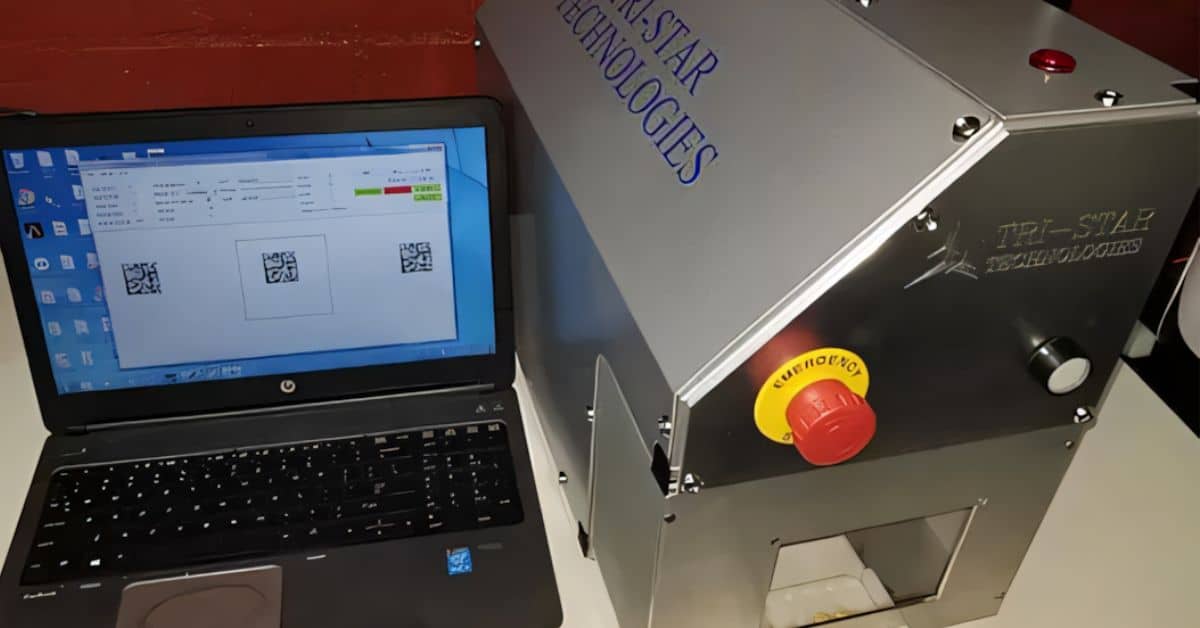
What a GMP-Aligned Printing Process Delivers
Consistency Across Development and Production
Pharmaceutical teams do not evaluate marking technology only at the commercial scale. They also evaluate it during development, pilot activity, and process transfer. A suitable system should support repeatable results across those phases without forcing major changes in process logic or quality expectations.
Consistency matters because GMP expectations do not disappear when a program grows. If a process produces acceptable identification in a lab setting but loses control at production scale, the manufacturer inherits risk instead of efficiency. A strong printing process maintains legibility, repeatability, and procedural clarity as output increases.
Compatibility With Sensitive Dosage Forms
In pharmaceutical manufacturing, the marking process must support identification without creating unnecessary risk to the product. That means engineering teams and lab managers must closely look at how the technology interacts with the capsule shell, coating, formulation, and packaging configuration.
The right system should support clear, durable marking without compromising sensitive pharmaceutical products. In a GMP environment, this is a product-quality issue. Equipment should help the manufacturer meet identification goals without introducing avoidable process complications.
Clean Integration into Controlled Operations
The strongest equipment does not just print well. It fits cleanly into controlled operations. In practice, that means straightforward setup, repeatable performance, documented operating procedures, and a process that personnel can verify with confidence.
This point matters because GMP does not reward unnecessary complexity. A complex marking process can create more setup variables, more room for operator error, and more difficulty during deviation review or investigation. A controlled process should be understandable, reproducible, and easy to monitor within the site’s existing quality system.
The Relationship Between Printing and Line Clearance
One of the most important ideas in GMP packaging operations is line readiness. Before a packaging or labeling operation starts, firms must confirm the removal of materials from previous runs and the proper preparation for the next product. FDA requirements in 21 CFR 211.130 specifically address these checks.
Capsule printing supports line clearance by making the current product state more visible. When the dosage form itself carries clear identification, it becomes easier to detect inconsistencies during startup, restart, and inspection. This does not replace reconciliation or procedural verification, but it strengthens visual control at a point where small mistakes can become serious problems.
Why Validation and Documentation Still Come First
No marking system is GMP-ready by default. The equipment only becomes suitable for GMP use when the manufacturer places it inside a documented and validated process. That means qualification, operating procedures, maintenance, operator training, process controls, and defined acceptance criteria all remain essential.
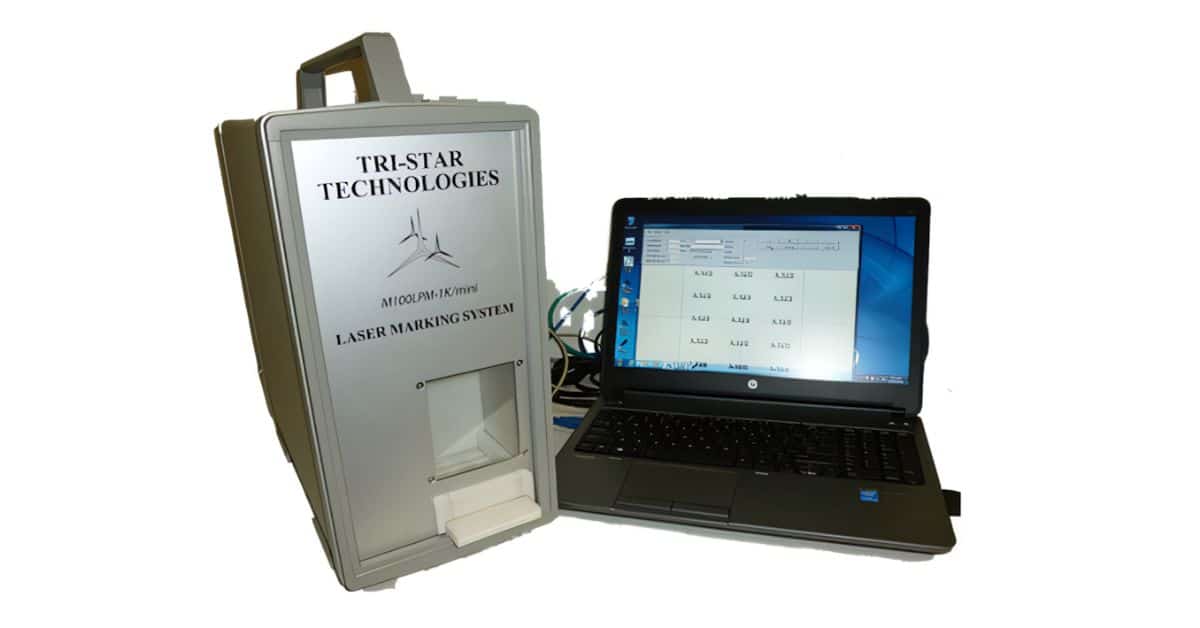
Where Capsule Printing Delivers the Most Operational Value
Capsule printing delivers the most value when the manufacturer needs stronger visual identification, better product differentiation, and a controlled way to support traceability through packaging and inspection. Those needs show up in development environments, pilot operations, and commercial production alike.
The operational benefits become more visible when products look similar, when multiple SKUs move through shared infrastructure, or when the manufacturer wants more certainty during setup and in-process verification. In those situations, on-dose identification supports the discipline that GMP already requires.
A Practical Role in a Controlled Manufacturing Strategy
Capsule printers play a meaningful role in GMP environments because they support one of the core goals of regulated pharmaceutical manufacturing: clear, controlled product identification. They help manufacturers strengthen legibility, improve product differentiation, and add another checkpoint against mix-ups within packaging and labeling operations.
If you’d like to learn more about tablet capsule marking systems, Tri-Star Technologies is here to help. Learn more about our pharmaceutical laser marking equipment online, or contact our staff to speak with an expert today.