




How the Automotive Industry Benefits from Laser Marking
Automotive manufacturing runs on repeatability, documentation, and speed. Every shift change, line changeover, and supplier handoff adds risk unless teams can verify what a part is, where it came from, and where it belongs. Marking provides that visibility when the identifier stays readable after heat, fluids, vibration, and years in service.
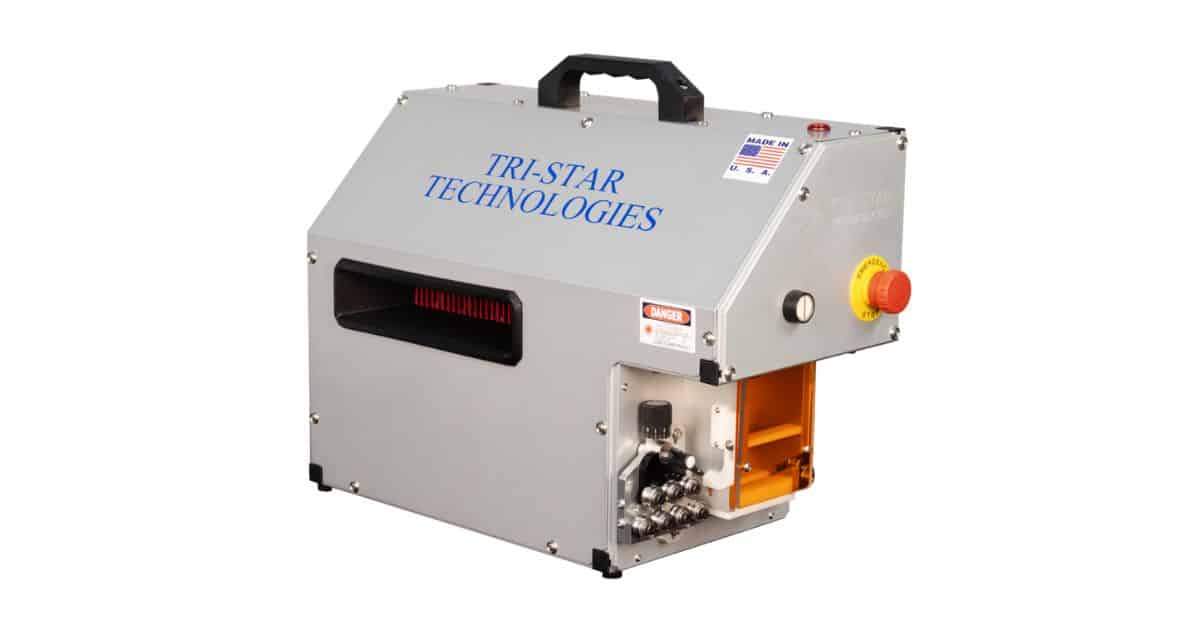
Laser marking supports that goal by placing durable identifiers directly on components and materials used across the vehicle. This marking method provides value by creating a mark that remains consistent through production handling and in-field conditions, and it fits automated workflows without adding a fragile consumable step. Keep reading to understand how the automotive industry benefits from laser marking.
Why Automotive Programs Need Strong Traceability
Automotive supply chains span multiple tiers, plants, and geographies. You can build the same platform with different harness variants, sensor packages, and regional compliance requirements. Without a consistent identifier, teams lean on packaging labels, paperwork, or tribal knowledge that breaks down during changeovers and staffing shifts.
A durable mark simplifies part identification at the point of use. Operators confirm the right wire, tube, or component before installation, and inspectors verify identity after the part moves downstream. That clarity also speeds containment when something goes wrong. When a field issue appears, teams narrow the affected build window and reduce the scope of rework instead of quarantining everything.
Why Laser Marking Instead of Labels or Ink
Teams usually understand why they need identification, but they do not always agree on the best way to apply it. The real question is which method holds up under automotive conditions while staying stable at production scale.
Labels Add a Separate Failure Mode
Labels can work in controlled environments, but they add another material and another process step. The age of adhesives, the lift of edges, and surface contamination can all reduce bond strength. Labels can also separate from parts during staging, kitting, or rework, which creates a traceability gap at the worst possible time.
Labels also complicate verification when teams must scan or read a mark after exposure to oils, solvents, or abrasion. If the label fails, operators still need a fallback identification method. That fallback usually costs time, and it rarely improves quality outcomes.
Ink and Contact Printing Bring Consumables and Variability
Ink-based marking introduces consumables, maintenance cycles, and process drift. Nozzles clog, prints smear, and contrast shifts when substrates vary. Drying and curing behavior can also become a constraint when you run at higher line speeds or when environmental conditions change across seasons.
Contact-based methods add mechanical interaction that can matter in continuous processes. Even minor changes in tension or presentation can affect repeatability when you aim for consistent spacing and alignment. Those issues do not always show up in short trials, but they surface during long production runs.
Laser Marking Prioritizes Permanence and Repeatability
Laser marking keeps the identifier on the part itself, which removes many problems that come with labels and ink printing. It also reduces reliance on consumables that introduce variability across shifts and batches. When teams integrate laser marking into the production workflow, they can maintain consistent placement and contrast while supporting downstream verification.
Laser marking also supports high-resolution marks, which matters when you use small fonts, part numbers, or compact codes. That capability becomes valuable when there are space constraints or when the mark must remain readable after coating, cleaning, or environmental exposure.
Where Laser Marking Fits in Automotive Manufacturing
The automotive industry benefits from laser marking in more ways than one. Some applications focus on components, while others focus on wiring and labeling that organize assemblies. In both cases, the goal is always to apply identification that survives the full lifecycle of production and use.
Wire and Cable Identification in Harness Production
Harness shops depend on clear identification for routing, termination, and verification. When teams run multiple variants, small errors become expensive fast. Strong marking helps technicians pick, route, and terminate correctly without slowing the process.
In-line marking can also support sequencing and kitting. When marks align with build documentation, teams reduce cognitive load during assembly and verification. Clear identification cuts misbuilds and keeps cycle times consistent during changeovers or when staffing shifts.
Marking Parts for Assembly, Quality, And Service
Many automotive components need a persistent identifier, especially when tracking the part through machining, coating, assembly, and test. Manufacturers mark serial numbers, lot codes, and 2D codes to connect data to the physical item. That connection supports audits, quality investigations, and service tracebacks.
Even when a part already has a packaging ID, a direct mark reduces dependency on materials that can peel, smear, or separate from the part. It also helps teams identify parts after exposure to oils, solvents, and heat cycles, which frequently occur long before the vehicle reaches a customer.
How Laser Marking Improves Quality Control on the Line
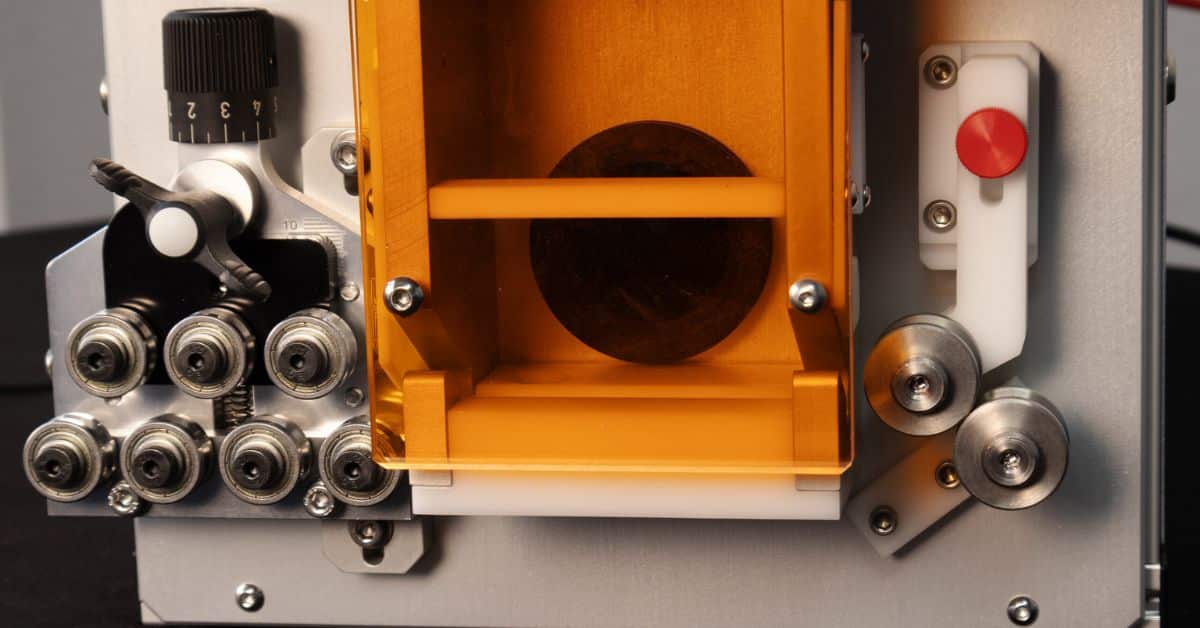
Quality teams want fast verification with minimal disruption to throughput. Marking supports that goal by making product identity easier to confirm during build, test, and audit. When operators can verify a part quickly, they spend less time pausing the line or escalating questions.
Laser marking can also support error-proofing workflows. When a readable identifier ties into scanning and verification steps, teams confirm the correct component at the correct station. That reduces mismatch errors and helps document compliance with internal work instructions and customer requirements without adding heavy manual checks.
Reduces Rework and Scrap
Rework frequently starts with uncertainty. Clear marking reduces that uncertainty at the point of use. Operators confirm the right item before installation, and inspectors verify identity without stopping the process.
Marking also supports better process learning. When traceability links issues to specific lots, shifts, or upstream conditions, teams find root causes faster and prevent repeated defects.
Supports Documentation Demands
Automotive requirements vary by OEM and program, but the common thread is documentation and consistency. Marking supports documentation by attaching identifiers to the product itself. That matters when parts move through multiple processes and third-party suppliers.
When your mark ties back to production records, you can demonstrate control more easily during audits. You also respond faster to customer questions about build history, test results, and material lots.
Improves Production Efficiency
Manufacturing teams care about time to value. They want equipment that supports output, not equipment that introduces a new bottleneck. A well-integrated marking workflow supports throughput by reducing manual labeling steps and cutting down on decision points during assembly.
What Automotive Teams Should Look for in a Marking System
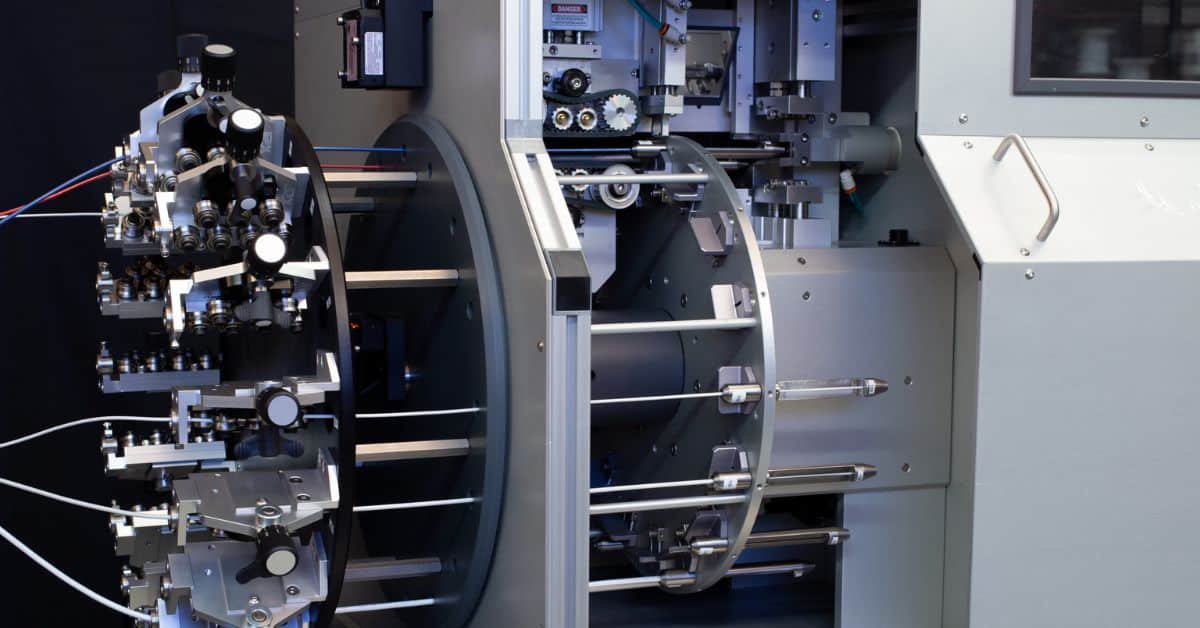
Marking success depends on more than the mark itself. Automotive teams should start by confirming the solution matches the exact materials and applications they run, since legibility can vary widely across wire insulation, shrink tubing, plastics, coatings, and metals. They should also choose a configuration that fits the workflow, whether that means in-line marking for continuous processes or a workstation setup for cell-based assembly and part marking.
From there, focus on whether the mark stays readable and verifiable over time. The identifier must hold up through handling and harsh conditions, remain consistent across shifts and long runs, and align with how the team will inspect or scan it. Finally, select a laser marking machine manufacturer that supports preventative maintenance and professional service to protect uptime during ramp-ups and transitions.
Conclusion
Automotive manufacturing depends on clarity and control. Laser marking supports those needs by attaching durable identifiers to the product in a way that works with modern production and verification workflows.
If you want to evaluate marking for a wire, harness, or component application, focus on material fit, legibility, verification, and how the system connects to your process. If your team is reviewing marking improvements for automotive production, talk with Tri-Star Technologies about laser marking solutions for high-reliability manufacturing environments.