




Wire Preparation Steps That Improve Automated Crimp Results
Automated crimping can improve repeatability, speed, and production control, but the crimp result still depends on the wire that enters the tool. A crimping system cannot compensate for poorly stripped insulation, damaged strands, incorrect wire sizing, inconsistent cut lengths, or contamination at the termination point. When teams prepare wire correctly, they give the equipment a stable starting point and reduce variation before the crimp cycle begins.
In aerospace, defense, transportation, and industrial wire processing environments, those details matter. A crimp may look small, but it carries electrical, mechanical, and inspection requirements that affect the finished assembly. In this guide, we’ll break down the wire preparation steps that improve automated crimp results.
Why Wire Preparation Matters Before Automated Crimping
Automated crimping equipment applies precise force through a repeatable motion, but the wire and contact must enter the crimp zone in the correct condition. If the conductor strands spread, twist, bend, or sit outside the intended insertion depth, the termination loses consistency. The same issue can occur when insulation fragments remain near the conductor, or when the stripped length does not match the contact requirements.
Preparation also affects how easily the operator can load the wire into the system. A clean, straight, correctly stripped wire end supports smoother insertion and helps the tool complete the crimp cycle without unnecessary handling. In higher-volume environments, small improvements at the preparation stage can reduce stoppages, inspection failures, and operator fatigue.
Match the Wire, Contact, and Tooling Before Production
Before a team runs an auto crimping tool, it should confirm that the wire, contact, locator, and crimp tooling belong together. The wire gauge must match the contact barrel size, and the insulation diameter must suit the contact design and tooling setup. If the contact does not fit the conductor correctly, automation may make the mismatch repeatable instead of preventing it.
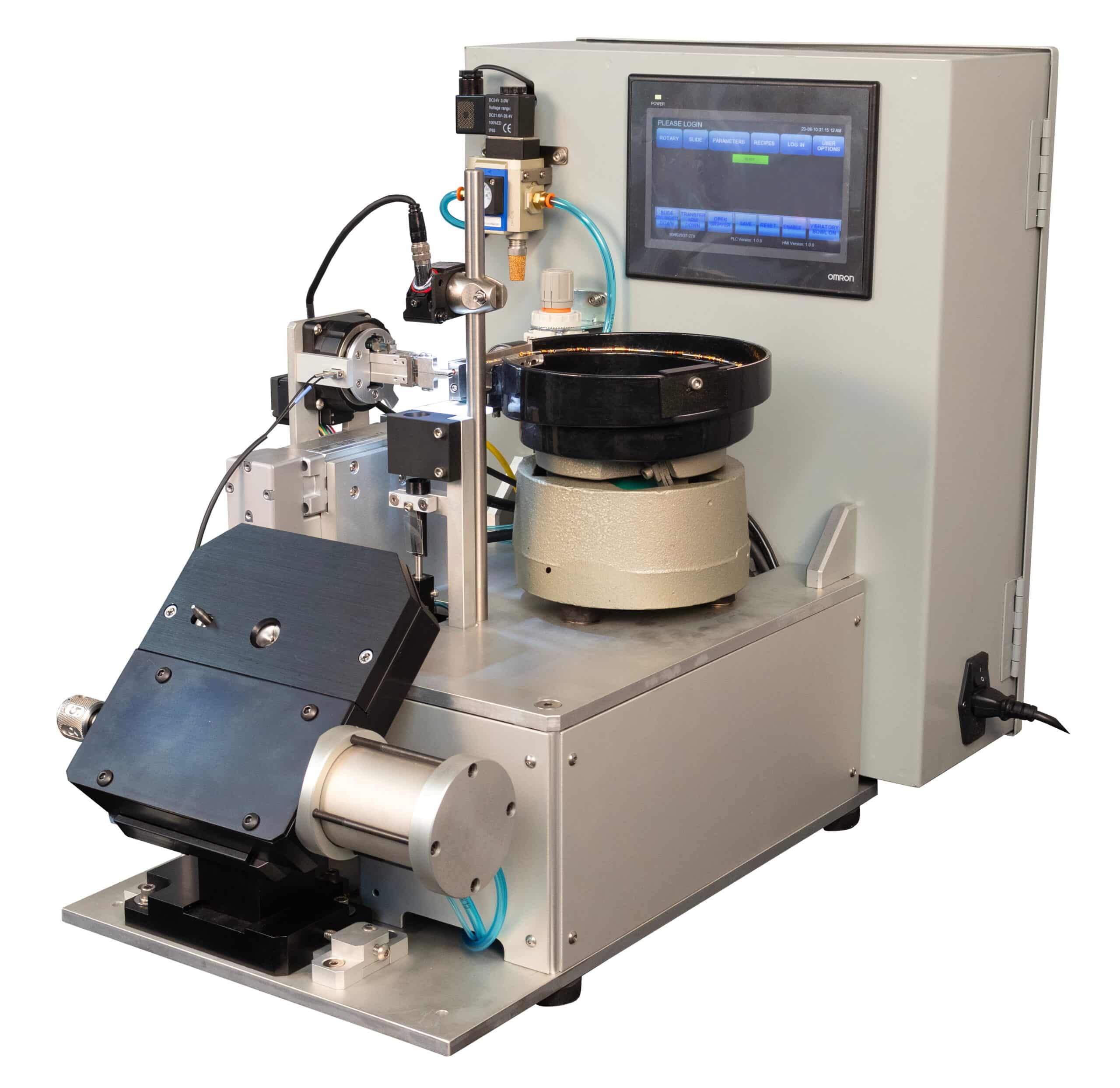
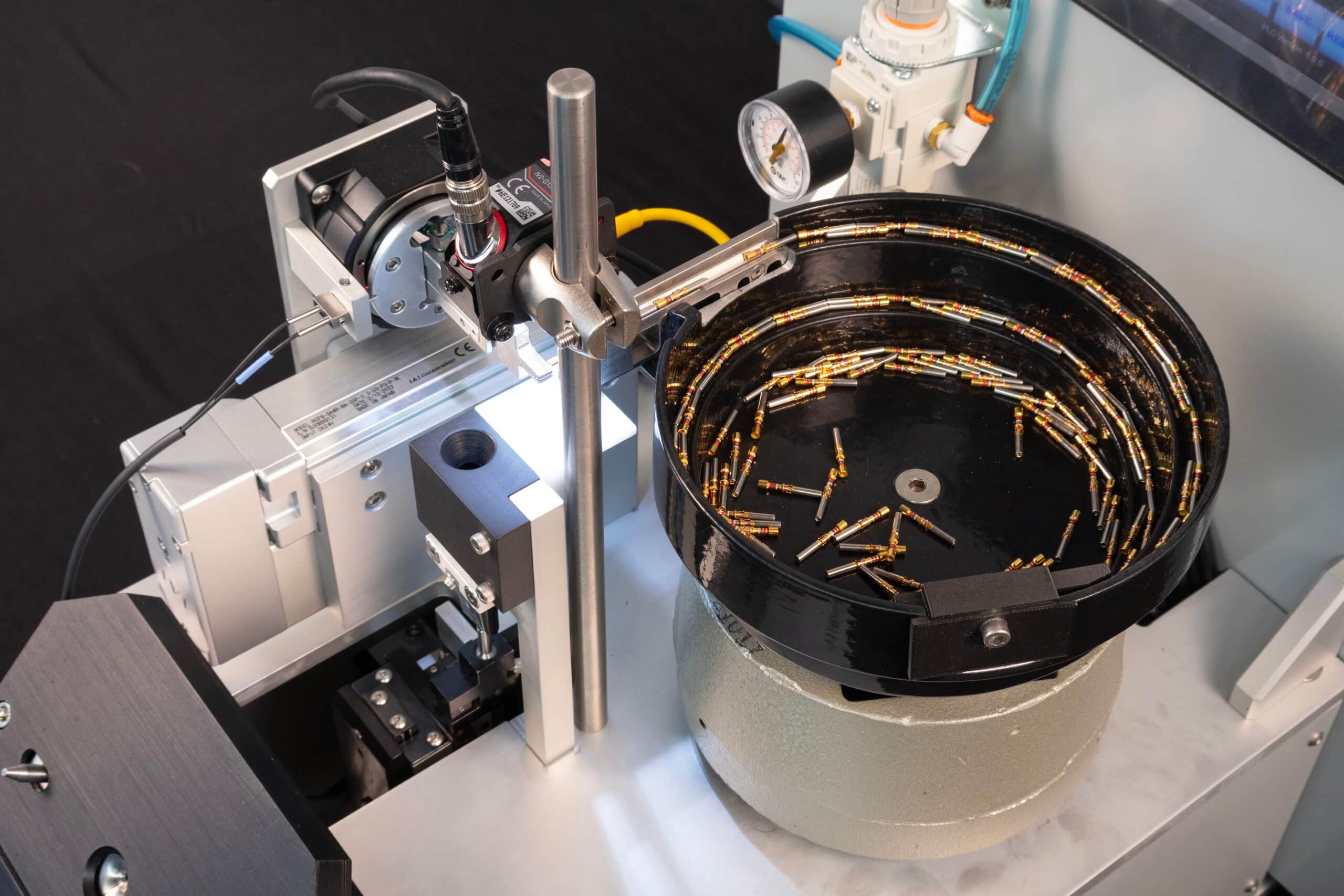
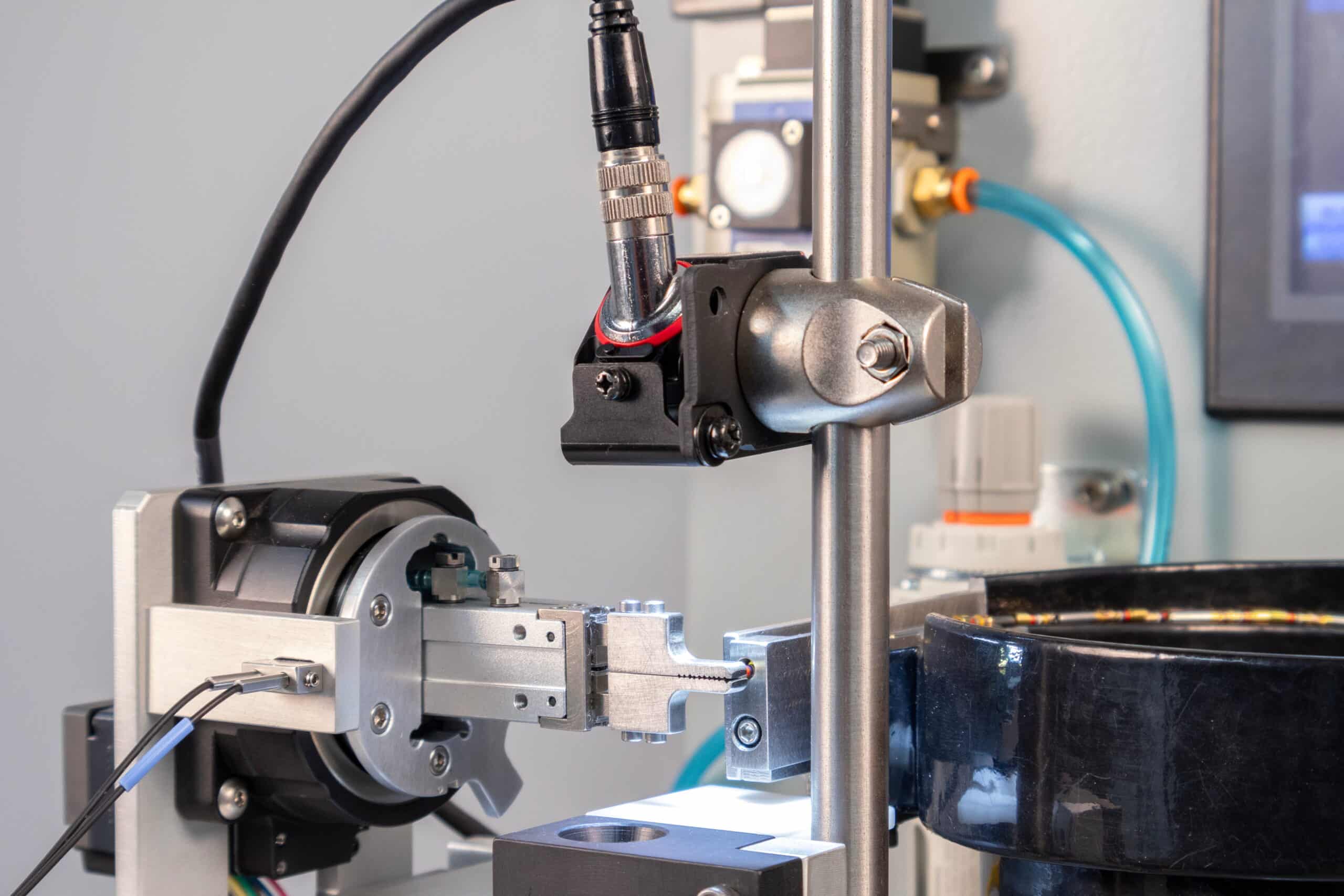
This step becomes especially important in mixed-production environments where teams process several wire types, contact styles, and assembly configurations. Tri-Star’s automatic crimpers support this kind of production planning by offering systems for different contact formats and production needs. For example, the TAC-ULTRA uses a camera and gripper system to determine contact orientation, which helps accommodate shouldered contacts, shoulder-less contacts, and contacts with retaining rings.
Confirm Strip Length Before the Crimp Cycle
Strip length plays a direct role in crimp quality. Too little exposed conductor may prevent full conductor engagement inside the contact barrel. Too much exposed conductor can leave excess bare wire outside the intended crimp area, which may create inspection concerns or increase the risk of damage during later assembly steps.
Operators should verify strip length against the contact manufacturer’s requirements, the applicable work instruction, and the production drawing. Automated stripping equipment can improve consistency, but teams still need first-piece inspection and periodic checks during the run. A small drift in strip length can affect conductor position, insulation support, and final crimp appearance.
Protect Conductor Strands During Stripping
A clean strip removes insulation without nicking, cutting, scraping, or pulling conductor strands out of position. Strand damage can reduce the conductor cross-section and weaken the termination. Even when the crimp tool performs correctly, damaged strands can limit the electrical and mechanical integrity of the finished connection.
Teams should inspect stripped ends for missing strands, nicked strands, birdcaging, flattened conductors, or insulation residue. Birdcaging deserves special attention because spread strands can prevent complete insertion into the contact. Tri-Star’s TAC-ULTRA includes a funnel to guide inserted wire, which helps reduce birdcaging risk during loading, but wire preparation should still align strands before the operator presents the wire to the machine.
Keep Wire Ends Straight and Controlled
Another key step in wire preparation that improves automated crimp results is ensuring straight and controlled wire ends. A bent wire end can catch at the contact opening, miss the insertion path, or push strands against the edge of the barrel. These problems can create inconsistent seating even when the machine cycle remains stable.
Teams should control wire handling after stripping so operators do not accidentally bend, twist, or contaminate the end. This matters in batch production, where stripped wires may sit in trays or fixtures before crimping.
Avoid Contamination at the Termination Point
Contamination can interfere with crimp consistency, especially when wire ends pass through multiple handling steps before termination. Oils, dust, insulation debris, loose strands, and foreign material can affect how the conductor seats inside the contact.
Operators should avoid touching stripped conductors directly when the process requires cleanliness. Workstations should keep cut insulation, contact packaging debris, and loose scrap away from prepared wire.
Use First-Piece Checks to Catch Setup Issues Early
First-piece inspection helps teams confirm that the wire, contact, and tool setup produce the ideal result before production continues. This check should examine strip length, conductor visibility, insulation position, contact orientation, crimp location, and any applicable dimensional or visual requirements. Teams may also verify pull strength, crimp height, or other acceptance criteria.
This step protects production efficiency because it catches preparation problems before they become batch problems. If the first pieces show inconsistent insertion depth or visible strand issues, the team should look upstream before assuming it’s the crimper’s fault.
Control Contact Feeding and Orientation
Contact presentation affects how efficiently operators can complete each crimp. If contacts load inconsistently, face the wrong direction, or require excessive manual handling, the process can slow down and introduce variability. Automated or assisted contact feeding reduces those risks by presenting the contact in a controlled, repeatable way.
Tri-Star’s TAC X Series supports vibratory-fed production for shouldered contacts, shoulder-less contacts, and dual-bowl configurations. The CrimpXpress addresses a different need by automatically feeding machine-style contacts into many hand crimp tools, which helps reduce manual contact loading.
Align Preparation Steps With Production Volume
A prototype build, a repair station, and a high-volume harness line may all require different preparation controls. Lower-volume work may rely on careful operator inspection and flexible tooling. Higher-volume work may require more definite wire staging, automated stripping, contact feeding, and routine verification intervals.
The best preparation process supports the actual production environment instead of adding unnecessary handling. Portable systems such as the Porta-TAC Series can help teams bring automatic crimping capability closer to the point of work.
Train Operators Around the Full Process
Operators must understand more than the button sequence on the crimper. They should know what a properly prepared wire looks like, how to recognize strand damage, when to reject a stripped end, and how to present the wire to the contact.
Work instructions should define acceptable wire condition in practical terms. They should also explain how to handle prepared wires, where to place them, how to preserve identification, and when to stop the process for review.
Better Preparation Creates Better Crimp Consistency
Automated crimping improves repeatability, but wire preparation determines whether the process starts from a controlled condition. Clean stripping, correct strip length, protected conductor strands, proper wire-to-contact matching, careful handling, and first-piece inspection all help the crimping system produce consistent results.
Tri-Star Technologies’ automatic crimpers support production teams with equipment options for different contact styles, work environments, and throughput needs. From portable systems to advanced automated platforms, Tri-Star helps manufacturers improve crimping efficiency while supporting the precision that high-reliability wire assemblies require. To learn more about automated crimping options for your application, contact Tri-Star Technologies to discuss the right system for your production process.