




Benefits of Capsule Printing Machines for Small Batch Runs
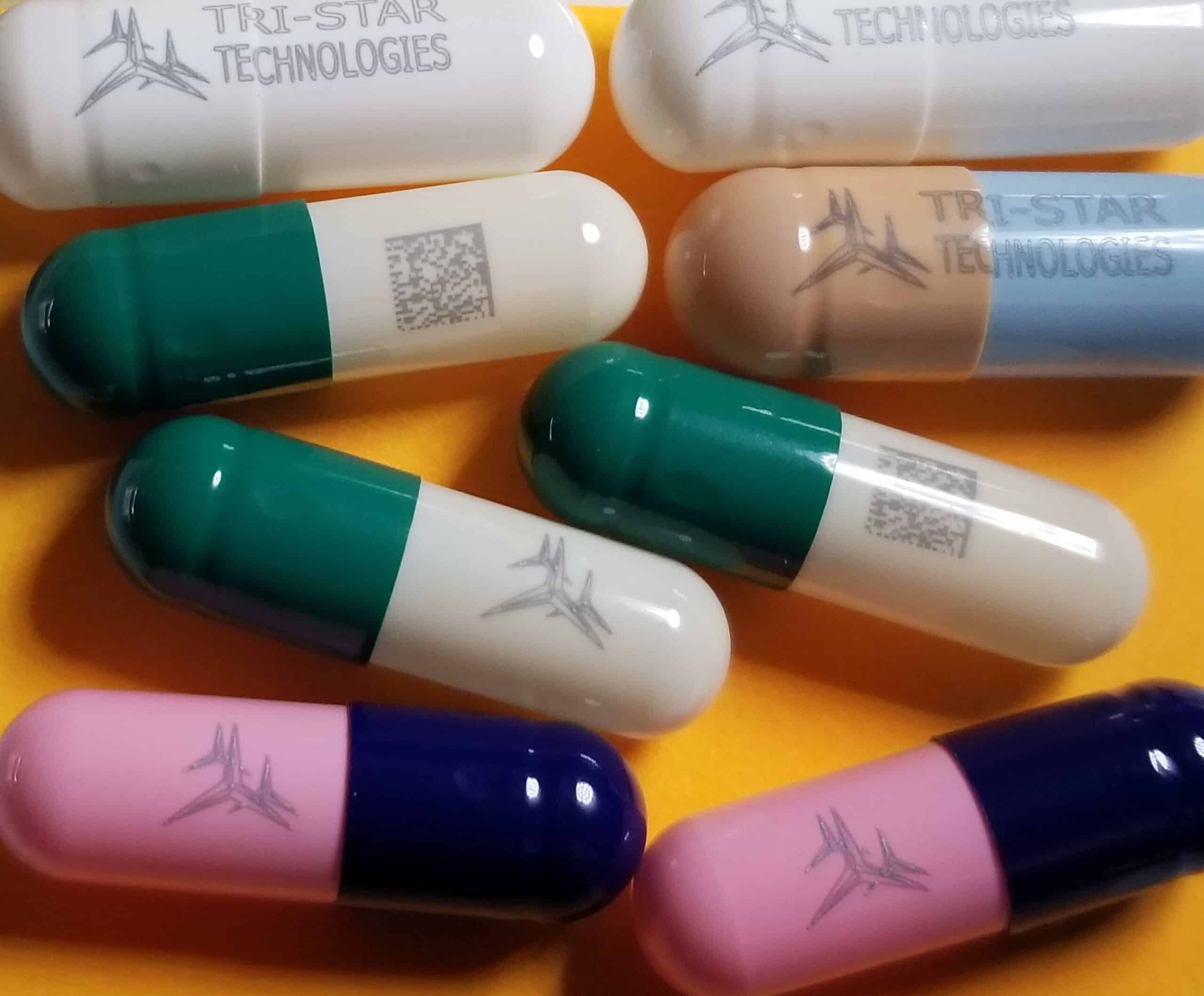
Pharmaceutical teams do not always need the throughput of a full-scale production line. Research and development (R&D) studies, pilot runs, process verification, and specialty batches can involve small quantities, yet the identification requirements still demand precision and consistency. In these settings, the right capsule printing machine can help teams mark products without building an oversized process around a relatively small run.
Small batches also create a different cost equation. Setup time, consumables, cleaning, and changeovers can represent a larger share of the total workload when a run contains dozens or hundreds of units instead of many thousands. A flexible marking system can reduce that burden while giving teams more control over what they print and how quickly they change the marking format. Keep reading to learn more about the benefits of capsule printing machines for small batch runs.
What Makes Small-Batch Capsule Printing Different?
High-volume pharmaceutical equipment prioritizes continuous throughput. Small-batch work places more emphasis on adaptability. A lab may need to evaluate a new capsule format in the morning, verify a marking pattern later that day, and then prepare another limited run with different identification information.
That variation can make fixed or consumable-heavy printing processes less convenient. A system for low-volume work can give operators more freedom to change text, graphics, or codes without rebuilding the entire marking process each time. The Tri-Star M100LPM-R&D specifically suits R&D labs, small pilot runs, and process verification, which reflects the different priorities of this type of production.
Why Flexibility Matters in Small-Batch Pharmaceutical Marking
For small runs, laser marking for the pharmaceutical industry can support a flexible workflow because digital marking data can change without replacing physical printing components. Teams can prepare templates for different tablet or capsule sizes, shapes, and coatings, then store those templates for future use. This makes the system suitable for environments where product configurations change regularly.
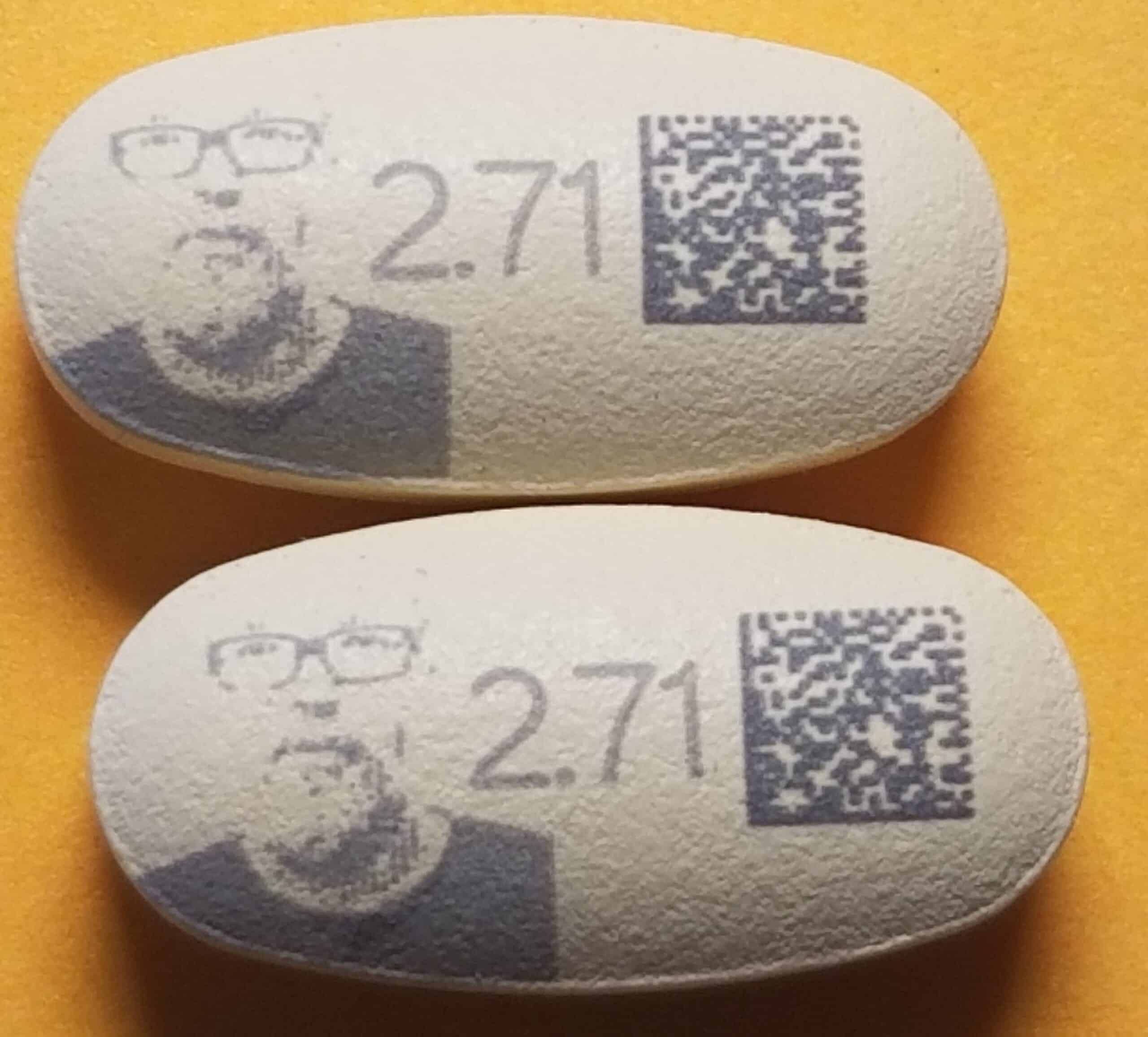
The M100LPM-R&D, for example, uses software that supports alphanumeric characters, barcodes, fonts, and imported graphics. The system can also print as many as 49 tablets at one time and can accommodate a range of solid dosage forms, including softgels, caplets, and geltabs. Those capabilities give small-batch users room to test identification approaches without moving immediately to a high-output production platform.
Reduced Setup Can Make Short Runs More Practical
Another benefit of capsule printing machines for small batch runs is the smaller setup. Setup can consume a disproportionate amount of time during limited production. If a process requires extensive preparation before printing and additional curing afterward, the surrounding steps may take longer than the marking itself.
UV laser systems can simplify that sequence. The M100LPM-R&D requires no pre-cleaning or post-curing, and it can mark oily capsules. Since UV laser marking also doesn’t need any ink, make-up fluids, or cleaning chemicals, it’s a cleaner, more practical method for pharmaceutical marking.
Less Dependence on Consumables
Small runs can make consumable management especially inconvenient because labs still must stock, handle, and match materials to the process regardless of batch size. A laser-based system removes ink from the marking step, which can simplify preparation and reduce the number of variables operators manage between runs.
That does not eliminate the need for process qualification. Teams still must confirm that the dosage form, outer coating or shell, and marking parameters work together as intended. Markability and contrast depend on the formulation and the presence of UV-responsive pigments in the outer layer.
Digital Mark Changes Support Faster Iteration
Small-batch work frequently involves iteration. Engineers may compare multiple mark sizes, evaluate a barcode, or test how a design appears on a new capsule geometry. A digitally controlled system lets them adjust the marking file rather than changing a physical plate, stencil, or similar printing component.
This flexibility also supports process development. Tri-Star’s R&D system allows users to create and save templates for specific product characteristics, so teams can return to a configuration instead of recreating it from the beginning.
High-Resolution Marks Expand Identification Options
Space presents another challenge on capsules and tablets. Their surfaces leave limited room for readable information, especially when a team wants more than a simple alphanumeric identifier.
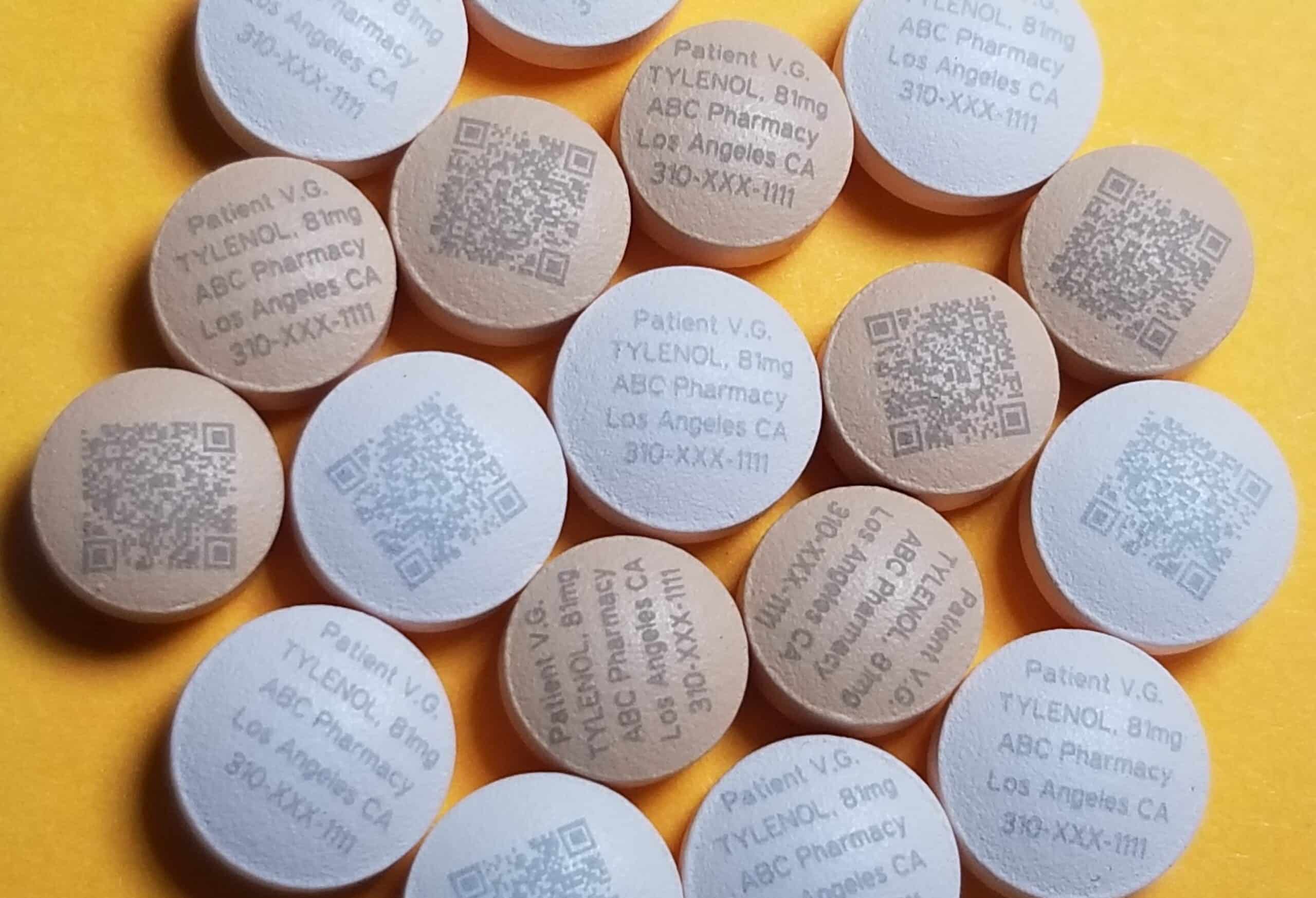
UV laser systems can produce high-resolution markings that include alphanumeric characters, logos, and machine-readable codes on compatible dosage forms. Because the marking data is digitally controlled, manufacturers can also change identifying information between units, which supports more flexible traceability and serialization strategies without relying on fixed printing components.
Permanent Identification Supports Testing and Traceability
A temporary mark may provide little value if handling, packaging, or storage reduces its legibility. Small-batch teams may need to inspect products after additional process steps, compare samples, or maintain clear identification through testing.
UV laser marking provides a permanent mark on compatible tablets and capsules. The controlled process creates visible identification within the outer surface region while preserving structural integrity when teams properly qualify the formulation and operating parameters.
Marking Through Clear Blister Packaging
Some applications may benefit from adding identification after a product enters its package. UV energy can pass through certain clear blister materials and create a mark on a compatible tablet or capsule beneath the window.
Tri-Star machines can offer through-blister marking as a capability of both its low-volume M100LPM-R&D and its higher-output M100LPM150. The ability to work through clear packaging can give development teams another option when they evaluate packaging sequences or identification strategies.
Small-Batch Equipment Can Support a Path to Scale
A small-batch marking system does not have to exist separately from future production planning. Development teams can use low-volume equipment to evaluate mark quality, test digital content, and verify process settings before transferring the application to a larger production environment.
Tri-Star’s pharmaceutical lineup illustrates this progression. The portable M100LPM-R&D suits low-volume work, while the M100LPM150 supports higher-volume production.
Choosing a Capsule Printing Machine for Small Runs
The best system for a limited batch depends on more than maximum speed. Teams should consider how frequently product formats change, what type of information they need to apply, how much setup each run requires, and whether the marking process fits their qualification workflow.
Material compatibility deserves particular attention. Capsule shells, coatings, pigments, shapes, and surface conditions can influence mark contrast and process settings. A practical evaluation should confirm that the selected dosage form produces the necessary legibility without compromising the product, and manufacturers should work with qualified equipment specialists when establishing or changing process parameters.
Make Small-Batch Marking More Adaptable
Small production runs still require clear, repeatable identification, but they benefit from equipment designed around flexibility rather than sheer volume. A well-matched capsule printing system can shorten setup, remove ink-related consumables from the marking step, support digital design changes, and create durable identification on qualified products.
Tri-Star Technologies offers pharmaceutical UV laser systems for both R&D-scale work and larger production environments. If your team is evaluating capsule or tablet marking for pilot runs, process verification, or a future scale-up, contact Tri-Star Technologies to discuss your dosage form, marking requirements, and production needs.