




A Guide to Choosing the Right Laser Marking Method
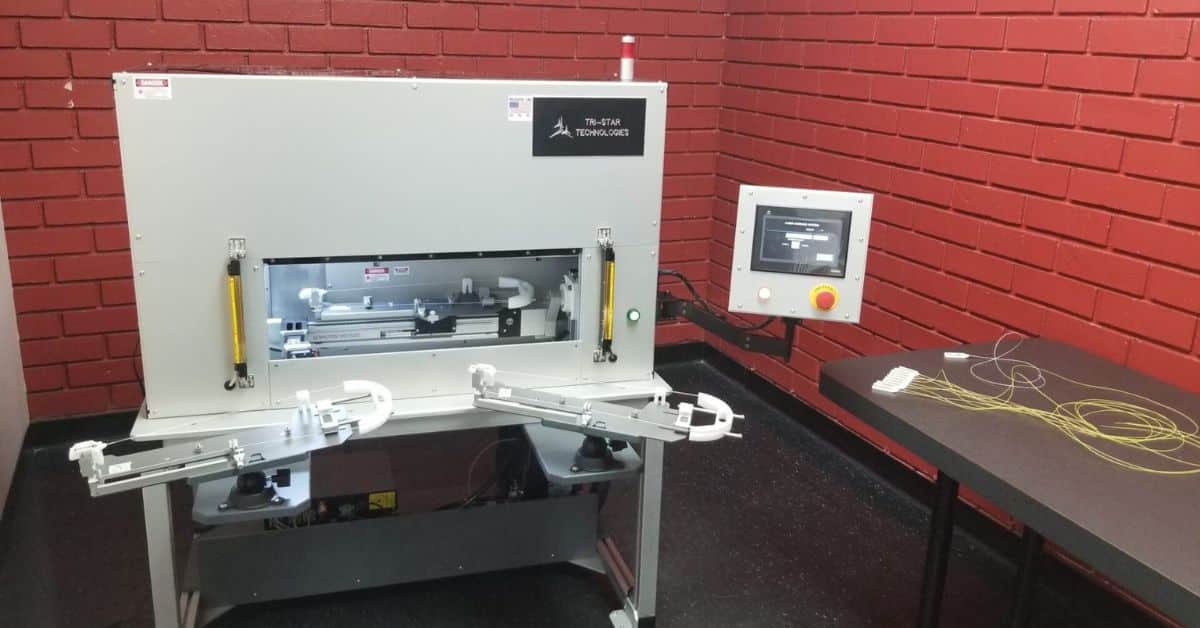
Laser marking is integral to many industries that require durable identification, especially where precision and reliability are paramount. From tracking aerospace components to verifying the authenticity of pharmaceuticals and labeling sensitive medical devices, laser marking solutions deliver marks that are both permanent and resistant to environmental and mechanical wear.
However, with multiple laser marking methods available, each for different applications and material types, selecting the right technology can feel complex. In this guide, we’ll help you choose the right laser marking method by breaking down the common types of laser marking, factors to consider, and more.
An Introduction to Laser Marking Technology
Laser marking uses focused light beams to create long-lasting marks on various materials. Unlike traditional ink-based or mechanical techniques, lasers alter a material’s surface through precise, localized interactions. As the material absorbs the laser’s energy, the substrate changes color or undergoes chemical changes at the surface. Modern systems deliver these effects without altering the material’s structure beyond the marking zone, preserving the substrate’s integrity.
This technology stands out for its ability to produce highly readable, permanent marks that include detailed graphics, serial numbers, and barcodes. The non-contact nature of laser marking reduces maintenance requirements and eliminates tool wear seen in mechanical processes. As a result, laser solutions support high-volume, high-consistency production with lower risk of operational interruption.
The Main Laser Marking Methods
The most common laser marking methods across various industries are UV, CO2, and fiber laser marking. Each has distinct characteristics that make it suitable for certain applications over others.
CO2 Laser Marking
CO2 laser marking systems generate a long-wavelength infrared beam. Organic materials efficiently absorb this energy, so CO2 lasers are ideal for marking wood, cardboard, glass, leather, and some plastics. They function either by vaporizing a thin layer of the substrate or by changing its color via thermal effects.
These lasers are popular in industries like packaging and woodworking for fast marking of large areas. While efficient and cost-effective for non-metals, CO2 lasers do not work well on metals or heat-sensitive plastics because of the risk of excessive thermal damage.
Fiber Laser Marking
Fiber laser marking operates at a shorter wavelength, in the near-infrared spectrum. This type of laser is highly effective at marking a wide array of metals, including stainless steel, titanium, and aluminum.
The energy from fiber lasers can ablate, oxidize, or melt metal surfaces, producing high-contrast identification marks suited for automotive components, industrial tools, and electronic parts. While they work with metals, they require specific chemical additives in non-metal materials to remain effective, and they aren’t suitable for delicate, heat-sensitive materials.
UV Laser Marking
Ultraviolet wavelengths produce extremely fine, high-contrast marks via a process known as “cold marking.” Unlike CO2 and fiber lasers, UV laser marking systems use photochemical changes rather than primarily thermal ones, enabling marks with minimal heat impact on the surrounding substrate.
This approach works well on a range of plastics, painted surfaces, and light-colored materials—especially those containing titanium dioxide pigments. UV marking is critical for components such as aerospace wire insulation, medical devices, and pharmaceutical products, preserving both appearance and performance of these sensitive materials.
Factors to Consider When Selecting Your Laser Marking Method
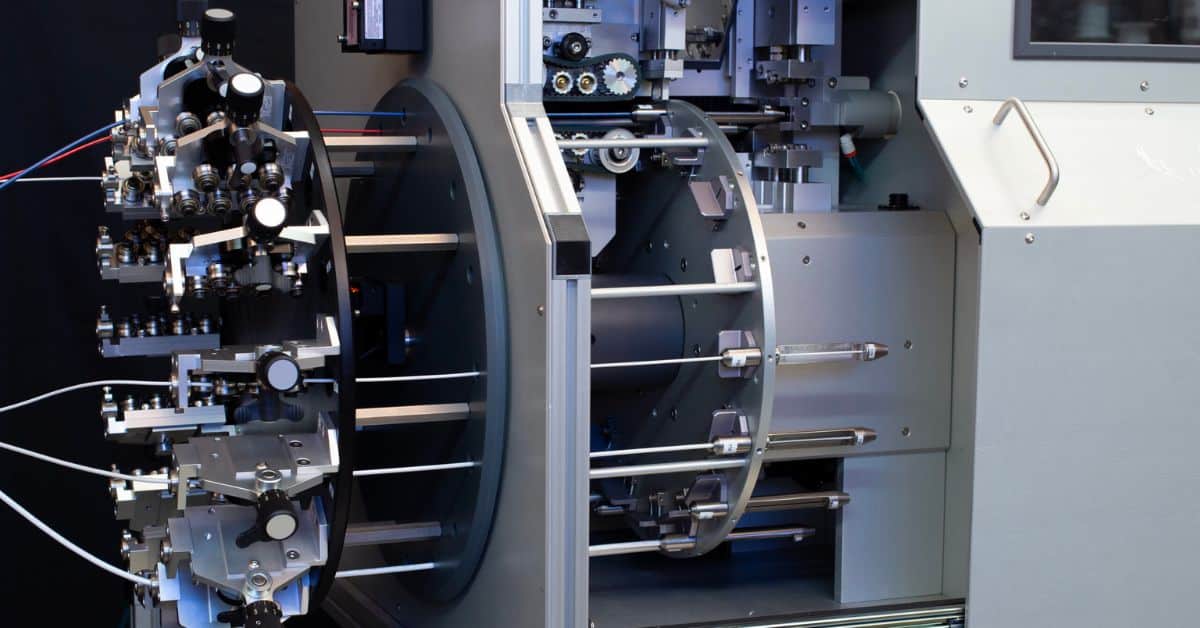
Now, our guide will help you choose the right laser marking method for your application by breaking down the most important factors in selecting a method. The material you’re marking, the volume of marking, and the resolution of the mark are all key considerations.
Material Compatibility
One of the primary factors to evaluate is the compatibility of each laser wavelength with your target material. UV lasers, for instance, require white or light-colored substrates containing titanium dioxide, as this pigment changes color upon laser exposure. This characteristic makes UV marking particularly advantageous for aerospace wire insulation or pharmaceutical tablet coatings, where it produces long-lasting, legible marks that endure aging and environmental exposure.
Marking Speed
Another essential consideration is marking speed, particularly in high-throughput environments like pharmaceutical or wire manufacturing. These settings demand systems capable of processing large quantities quickly without compromising mark quality.
Modern UV laser equipment can mark wire insulation at speeds up to hundreds of feet per minute, making it ideal for large-scale operations. However, for applications requiring exceptionally fine detail, such as microtext or small barcodes, slower marking speeds may be necessary to ensure every element remains clear and readable.
Resolution and Precision
Resolution and precision are critical, especially in industries like aerospace and electronics, where traceability and compliance standards mandate small feature sizes and high accuracy. UV lasers excel in this regard due to their short wavelength, allowing manufacturers to mark compact data-matrix codes, intricate logos, and small serial numbers on tiny surfaces. This capability to produce precise graphics and text provides flexibility for evolving compliance environments or customer specifications, and it is crucial for serialization programs that ensure supply chain traceability.
Industrial Applications of Laser Marking
Laser marking machines are already common in many industries. This technology is prevalent in various industries, from aerospace manufacturing to pharmaceutical coding.
Aerospace Manufacturing
In aerospace, laser marking is essential for wire identification, traceability of critical components, and compliance with stringent performance standards, such as those set by SAE International and major aircraft manufacturers. The non-invasive, high-contrast marks UV lasers produce are especially valuable during both production and maintenance, guaranteeing safety and reliability throughout an aircraft’s lifecycle.
Pharmaceutical Coding
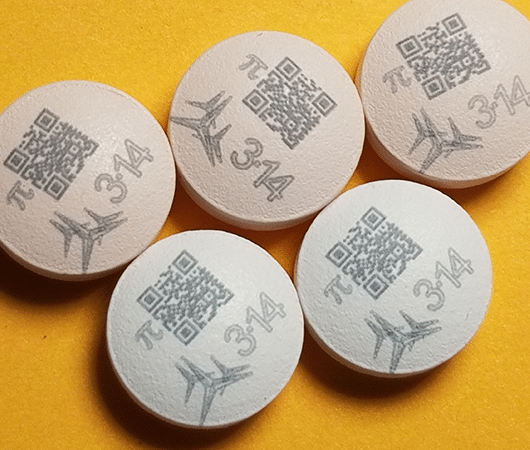
Another sector that benefits from laser marking technologies is the pharmaceutical industry. UV lasers allow manufacturers to permanently mark tablets, capsules, and even tamper-proof packaging with batch data, authentication codes, or traceability information. Solutions like the Opioid ID Marker now imprint identifying details on individual pills, helping address issues of diversion and counterfeit medications by making tracking and verification easier for healthcare professionals and law enforcement.
Medical Device Manufacturing
Medical device manufacturing imposes unique demands, prioritizing patient safety and strict regulatory controls. UV laser marking is particularly useful here, providing clean, permanent identification on catheters, syringes, implants, or tubing without affecting biocompatibility or structural performance. This approach means every medical tool or device remains traceable throughout its use while maintaining the high standards expected by regulatory bodies.
Automotive Manufacturing
In the automotive field, UV lasers play an important role in marking plastic, metal, or composite parts. The ability to permanently affix batch codes or serial numbers to critical components confirms traceability for warranty claims, recalls, and quality control initiatives.
Making an Informed Selection
Selecting the optimal laser marking method requires balancing material characteristics, resolution requirements, marking volume, and more. UV lasers excel in aerospace, medical, and pharmaceutical applications, delivering delicate, high-contrast permanent marks.
To make an informed decision, consult product specialists. Tri-Star Technologies offers comprehensive support, from initial design reviews and sample testing to system integration and process optimization, verifying mark performance before investment. This ensures improved quality, enhanced traceability, and greater operational efficiency, essential for sustainable manufacturing strategies amidst rising regulatory and supply chain complexities.