




How Laser Marking Benefits the Food & Beverage Industry
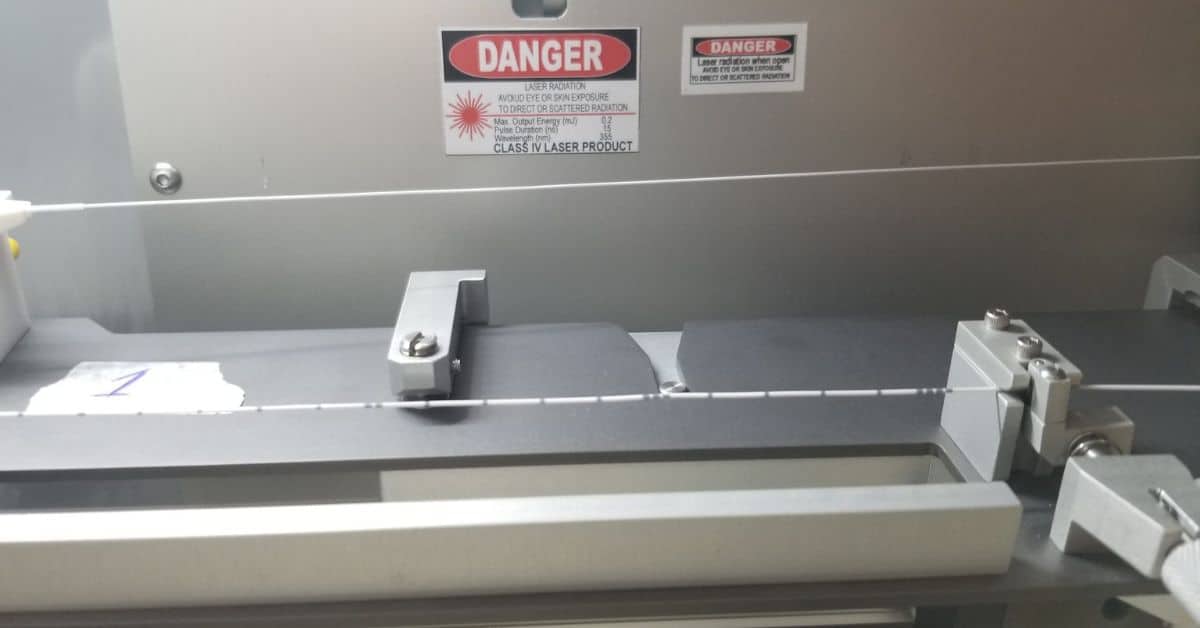
The food and beverage industry faces intense pressure to verify product safety, supply chain transparency, and regulatory compliance. Traditional marking methods often fail in harsh production environments due to extreme temperatures, moisture, or chemical cleaning. Laser marking offers a sophisticated, permanent solution, delivering superior precision and durability.
Laser marking systems revolutionize product identification, traceability, and branding. This guide will explain how laser marking benefits the food and beverage industry with its incredible precision, durability, and versatility.
What Sets Laser Marking Technology Apart
Before we get into applications for laser marking in the food and beverage industry, let’s review what sets the technology apart from other traditional marking methods. The accuracy, longevity, and flexibility of laser marking make it an ideal solution for food and beverage companies.
The Precision Advantage of Laser Marking Technology
Food and beverage manufacturers require marking systems that deliver consistent, high-quality results across diverse packaging materials and production speeds. Laser marking systems excel in this area by providing exceptional precision that traditional marking methods cannot match. The technology creates marks as small as a few micrometers, enabling detailed product codes, expiration dates, and regulatory information on compact packaging surfaces.
The repeatability of laser marking systems guarantees consistent quality across entire production runs. Unlike mechanical engraving or printing methods prone to wear-related degradation, laser systems maintain precision throughout extended operation. This consistency reduces waste, minimizes quality control issues, and helps manufacturers uphold the high standards demanded in food and beverage production.
Durability That Withstands Industry Demands
The food and beverage industry exposes products to extreme environmental stresses throughout their lifecycle, from production to consumption. Packages face temperature extremes during processes like pasteurization, sterilization, and cold storage, as well as moisture and humidity changes during cleaning and storage. Chemical resistance is also crucial, as packages often encounter cleaning agents, sanitizers, or food products. Laser marking offers a durable solution by creating permanent alterations in the material structure that withstand wear, chemical exposure, and environmental factors.
Laser marking excels in both temperature and chemical resistance, making it ideal for food applications. Marks endure high-temperature processes like retort sterilization and maintain clarity in sub-zero temperatures for frozen products. Laser-applied codes also resist degradation from aggressive cleaning agents and sanitizers common in food production facilities. This durability confirms compliance with food safety regulations and maintains traceability for quality control and recalls.
Non-Contact Processing Benefits
Traditional marking methods often involve direct physical contact, risking contamination, mechanical stress, or inconsistent mark quality. Laser marking, however, operates without contact, eliminating these concerns. This non-contact approach prevents contamination, critical for food and beverage sanitation, and avoids stressing delicate packaging materials like flexible films.
The non-contact nature of laser marking also significantly boosts production efficiency. Without mechanical movements, laser systems achieve high-speed marking, seamlessly integrating into fast-paced packaging lines without reducing throughput or altering product handling.
Versatility Across Materials and Applications
Food and beverage packaging uses a wide variety of materials, from glass and metal to advanced polymer films. Laser marking systems are highly versatile, effectively marking glass bottles, aluminum cans, plastic containers, flexible packaging, and even directly onto some food products. Different laser types are ideal for specific materials: UV lasers for heat-sensitive plastics, fiber lasers for metals and high-contrast marks on plastics, and CO2 lasers for organic and certain polymer types.
The ability to adjust laser parameters enables fine-tuning for different materials and desired mark characteristics. Manufacturers can also vary the mark’s appearance, from subtle tone changes to high-contrast variations, depending on the application and material properties.
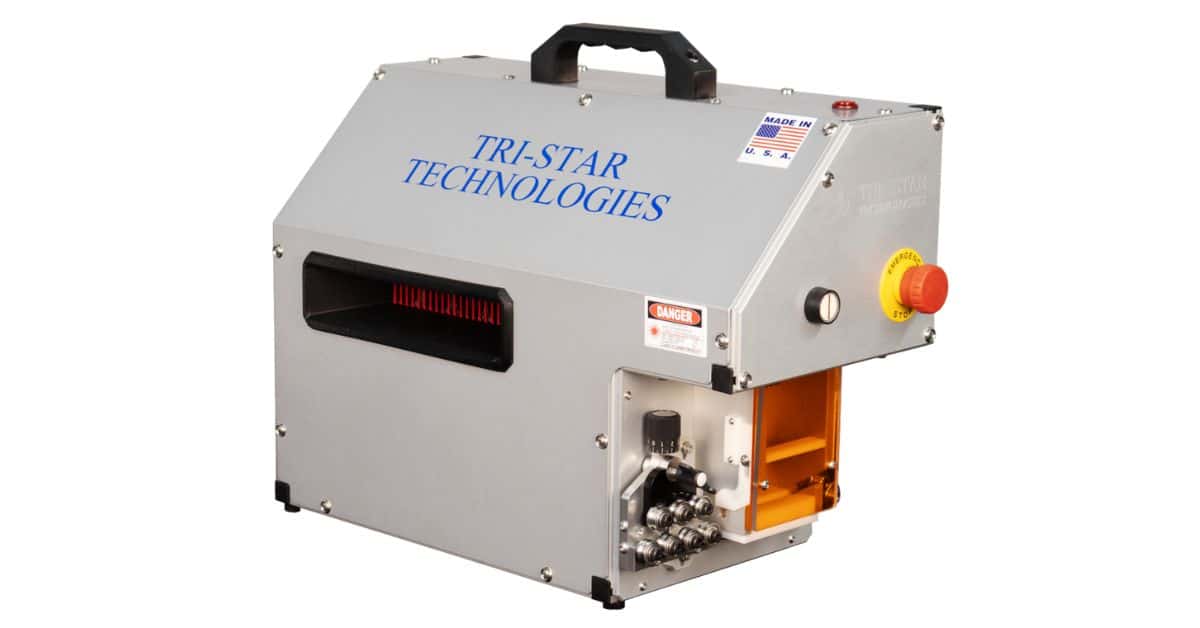
Applications for Laser Marking in Food and Beverage
One of the primary reasons that laser marking benefits the food and beverage industry is that it has so many applications. Laser marking equipment is an ideal solution for product labeling, traceability, and aesthetic enhancement for the sector.
Product Labeling Applications
Laser marking revolutionizes product labeling capabilities in food and beverage manufacturing. The technology enables direct application of variable information, including production dates, lot numbers, expiration dates, and sequential numbering, without the limitations of pre-printed labels or ink-based systems. This flexibility reduces inventory requirements for pre-coded packaging materials while enabling last-minute production scheduling changes.
Manufacturers can apply nutritional information, ingredient lists, and regulatory compliance text with laser marking when space constraints make traditional labeling impractical. The precision of laser systems guarantees readable text application on curved surfaces or irregular package geometries, where adhesive labels might not adhere properly. Promotional codes, contest information, and marketing messages benefit from laser marking’s ability to apply variable content efficiently. Manufacturers can implement targeted marketing campaigns by varying promotional codes across production runs or applying region-specific information without complex printing setups.
Traceability Solutions
Supply chain traceability is increasingly critical in food and beverage manufacturing. Laser marking supports comprehensive traceability systems by allowing for the application of unique identifiers that survive throughout the distribution chain. Laser marking technology can mark DataMatrix codes, QR codes, and linear barcodes to maintain their readability even after exposure to harsh environmental conditions.
The permanent nature of laser marks also verifies that traceability information remains intact throughout product lifecycles. This permanence supports recall procedures, quality investigations, and supply chain auditing requirements. Unlike printed codes that might fade or adhesive labels that could detach, laser-applied traceability codes provide reliable information access when needed.
Integration capabilities allow laser marking systems to connect with enterprise resource planning systems, manufacturing execution systems, and quality management databases. This connectivity provides real-time application of current production information and supports automated quality control verification processes.
Branding and Aesthetic Enhancement
Beyond functional marking requirements, laser technology offers sophisticated branding and aesthetic enhancement opportunities. The precision and control possible with laser systems permit precise logo reproduction, decorative patterns, and premium appearance features that differentiate products in competitive markets.
Laser marking can create subtle texture variations that enhance tactile experiences while providing visual interest. Frosted appearances on glass containers, matte finishes on metal surfaces, or raised textures on plastic packaging demonstrate the aesthetic possibilities available through controlled laser processing. The ability to create marks without adding materials or coatings appeals to consumers increasingly conscious of packaging sustainability. Laser-applied branding eliminates the need for printed labels, adhesives, or secondary materials while creating distinctive product appearances that support brand recognition and market positioning.
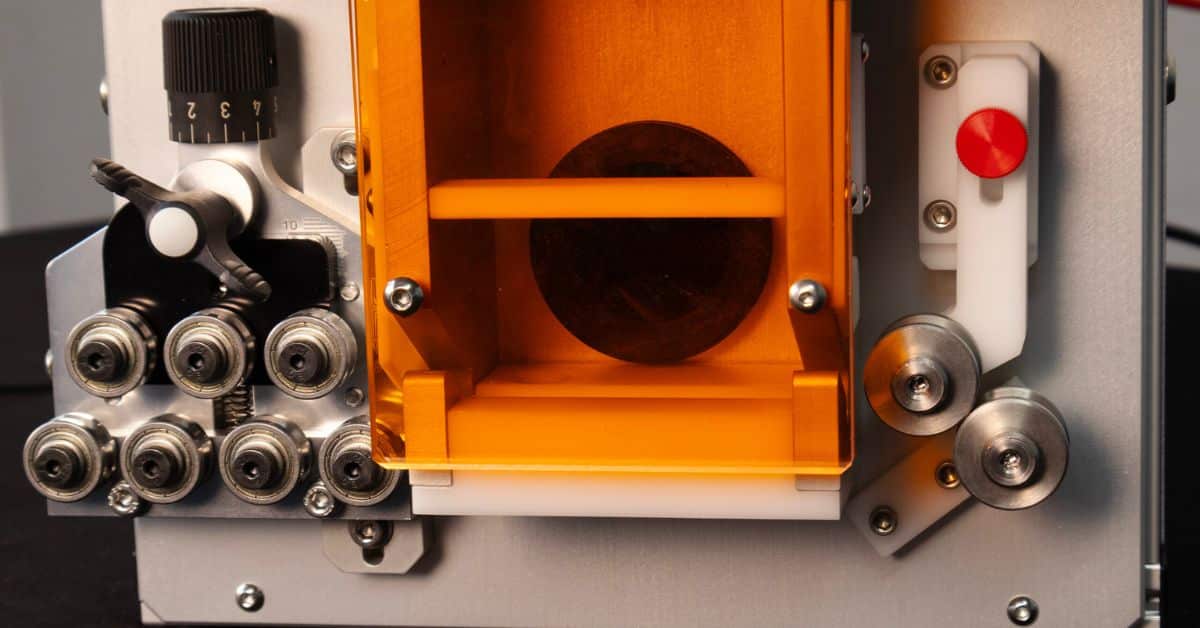
Maximizing Efficiency Through Laser Marking
Laser marking advances food and beverage manufacturing by improving product quality, traceability, and regulatory compliance. Its precision, durability, versatility, and non-contact processing address production challenges, offering operational improvements and cost reductions. The permanent marks ensure critical information remains available throughout product lifecycles, supporting compliance and consumer safety, and adapting to diverse materials for various packaging needs.
If you’re a food or beverage manufacturer or distributor, Tri-Star Technologies offers reliable, efficient laser marking systems to elevate your manufacturing process. Contact us today to learn how our proven performance can optimize your operations.