




Why Consistent Crimping Pressure Matters
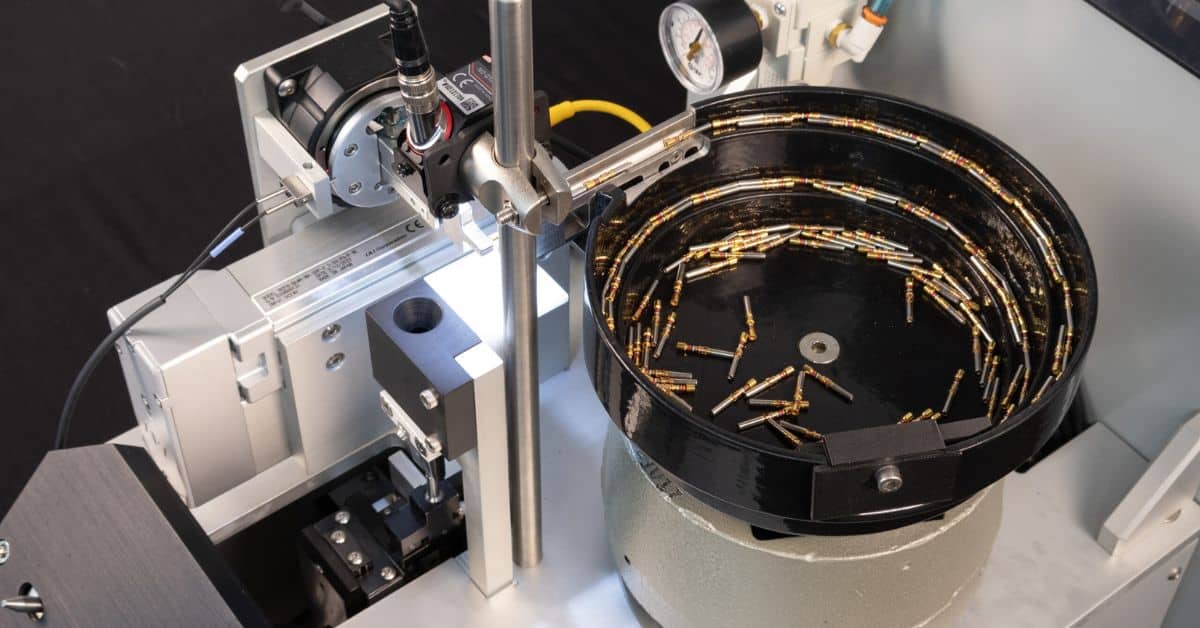
In high-stakes industries like aerospace, defense, and automotive manufacturing, the reliability of electrical connections is integral to performance and safety. A single faulty connection can cause catastrophic system failures. This is where the technical process of crimping becomes critical. While it may seem like a straightforward mechanical action, the success of a crimp depends heavily on a precise and consistently applied force.
Understanding and controlling crimping pressure is fundamental to verifying the integrity and longevity of electrical systems. In this article, we’ll explain why consistent crimping pressure matters, the consequences of inconsistency, and explain the factors that can thwart crimping pressure. Most importantly, we’ll also outline the methods and technologies available to achieve the ideal, consistent pressure necessary for creating flawless, reliable connections every time.
An Introduction to Crimping and Its Importance
Crimping is the process of joining a wire to a contact or terminal by mechanically deforming the two pieces together to form a solid, reliable connection. Unlike soldering, which uses heat to melt a filler metal, crimping uses force to create a gas-tight seal between the wire and the terminal. This method is ideal for many industries and applications because it creates a strong, durable bond that can withstand vibration, shock, and temperature fluctuations without degrading over time.
The quality of a crimped connection is central to many manufacturing and production applications. In the aerospace and defense sectors, for example, electrical systems must operate flawlessly under extreme conditions. A poor crimp can cause intermittent signals or complete electrical failure, compromising the function of critical navigation, communication, and safety systems. Similarly, in the automotive industry, reliable crimps must do everything from engine control units to airbag deployment systems.
What is Crimping Pressure?
Crimping pressure, also known as crimp force, is the amount of force a crimp tool die applies to the terminal and the wire. This force must be precise to compress the terminal barrel around the wire strands, deforming them just enough to create a secure, homogenous mass. The goal is to achieve a connection that is both mechanically strong and electrically sound.
The ideal crimping pressure tightly compacts the wire strands within the terminal, eliminating any air gaps or voids. This creates a large surface area of contact, which facilitates optimal electrical conductivity and minimizes resistance. The pressure must be sufficient to achieve this compaction without over-compressing, which could damage the wire strands or the terminal itself. It is a delicate balance that requires precision and control.
The Consequences of Inconsistent Crimping Pressure
Now that we understand what crimping and crimping pressure are, we can explain why consistency matters in so many industries and applications. Inconsistency in crimping pressure can cause two primary types of failures: under-crimping and over-crimping. Both have serious implications for the quality and reliability of the electrical connection.
Under-Crimping
Without sufficient crimping pressure, the terminal will not adequately compress around the wire. This results in a loose connection with significant air gaps between the wire strands and the terminal wall. Such a connection is mechanically weak and can easily pull apart under stress or vibration.
Electrically, the limited contact area increases resistance, which can cause overheating and potential fire hazards. Furthermore, the presence of air gaps allows moisture and contaminants to enter, promoting corrosion and further degrading the connection over time.
Over-Crimping
While under-crimping is an issue, applying excessive pressure can be just as detrimental. Over-crimping can crush the wire strands, compromising their structural integrity and making them prone to breaking. It can also fracture the terminal, creating stress points that weaken the entire connection.
While an over-crimped connection might appear tight, it is still susceptible to failure from vibration or mechanical stress. This type of defect is difficult to detect visually, making it a particularly dangerous hidden flaw.
How Consistent Crimping Pressure Affects Quality
Achieving consistent crimping pressure is the key to producing high-quality, reliable connections. When applying the ideal force uniformly across every crimp, manufacturers can confirm that each connection meets stringent mechanical and electrical standards.
A proper crimp connection exhibits high tensile strength, meaning it can withstand substantial pulling force without failing. It also maintains low electrical resistance, guaranteeing efficient current flow without generating excess heat. The gas-tight seal that optimal pressure creates protects the connection from environmental factors, guaranteeing long-term reliability. Consistency in the manufacturing process translates directly to consistency in product performance, which also builds a reputation for quality and dependability.
Factors That Thwart Crimping Pressure
Several factors can interfere with the consistent application of crimping pressure. Operator variability is a major concern in manual crimping operations. The force an operator applies can differ from one to another, or even from one crimp to the next by the same operator, due to fatigue.
Tool wear is another critical factor. Over time, the dies and other components of a crimping tool can wear down, altering the amount of pressure they deliver. Without regular calibration and maintenance, a tool that once produced perfect crimps may start to produce inconsistent and unreliable connections.
Material variations in wires and terminals can also affect the necessary crimping pressure. A slight change in material hardness or dimensions can necessitate an adjustment in the crimping force to achieve the desired result.
How to Consistently Deliver Ideal Crimping Pressure
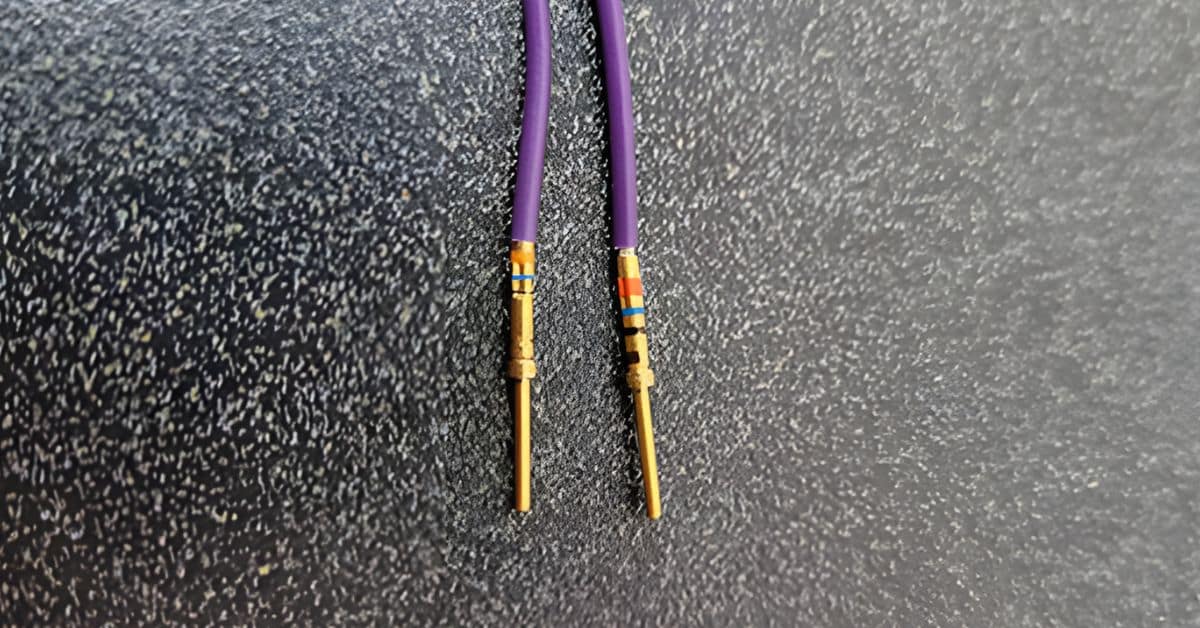
The most effective way to guarantee consistent crimping pressure is through automation. An automatic crimp tool eliminates the operator-induced variability inherent in manual processes. These systems can deliver a precise, repeatable force with every cycle, ensuring uniformity across thousands of connections.
Advanced automated crimpers also incorporate features like force monitoring and quality control systems. These systems measure the crimp force in real-time and can detect any deviations from the specified parameters. This allows for immediate identification of potential issues, such as tool wear or incorrect material setup, preventing defective crimps from entering the production line. Regular calibration and maintenance of these automated systems are necessary to maintain their accuracy and reliability over the long term.
Tri-Star Technologies’ Automatic Crimpers
If you think your crimping process could benefit from crimping automation, Tri-Star Technologies is here to help. We specialize in providing advanced automated crimping solutions for industries where precision and reliability are of the utmost importance. Our automatic crimpers, such as the TAC X Series and the PORTA-TAC, deliver consistent, high-quality crimps at high speeds.
Our machines feature robust construction, precision-engineered components, and PLC-controlled functions so that every crimp meets the highest standards. With capabilities like wire-triggered operation and built-in quality control mechanisms, our crimpers minimize the risk of defects like bird caging and confirm a secure and reliable connection every time. By automating the crimping process, our solutions help manufacturers improve efficiency, reduce errors, and verify the consistent quality of their products.
Crimp Consistently With Tri-Star Technologies
Consistent crimping pressure is not a minor detail; it is the cornerstone of a reliable electrical connection. The integrity of complex systems in aerospace, automotive, and other critical industries depends on the quality of thousands of individual crimps.
By understanding the importance of consistent pressure and leveraging automated technologies to achieve it, manufacturers can eliminate variability, enhance product quality, and ensure the long-term safety and performance of their applications. Invest in precision automation with Tri-Star Technologies’ advanced crimping machines today.