




Top Tips for Automating Your Laser Marking System
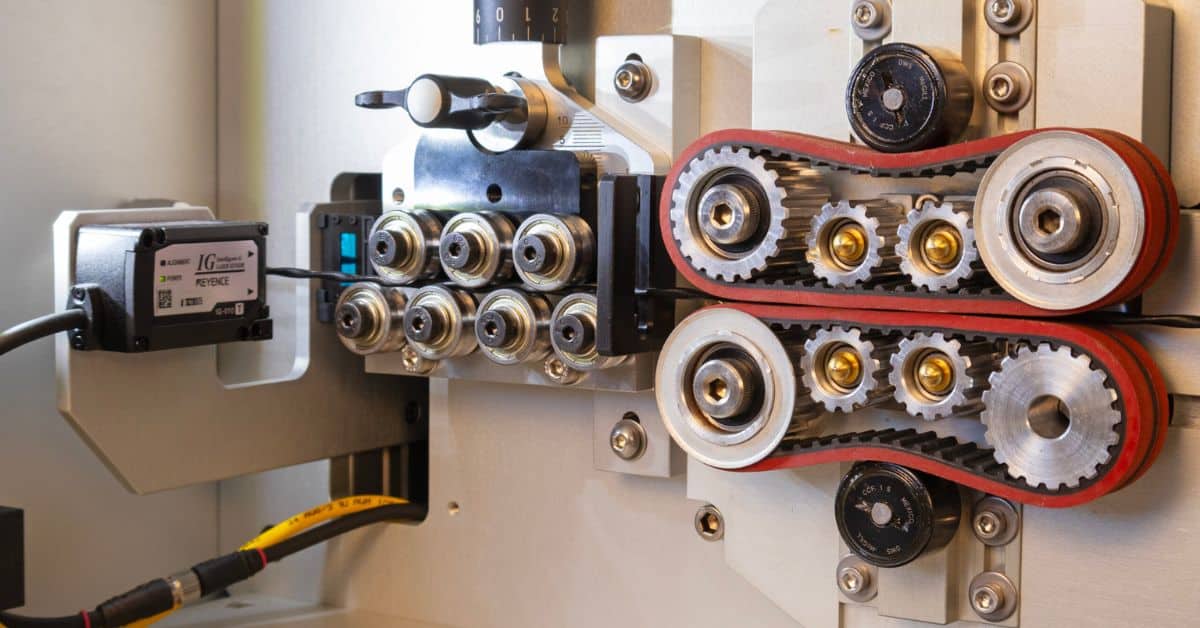
Laser marking systems have become an essential tool for identification and traceability in various industries, from aerospace to medical device manufacturing. By applying permanent, high-quality marks such as serial numbers, barcodes, and logos, this technology offers precision that traditional methods often cannot match. While the technology itself is advanced, automating the process elevates its benefits, creating significant gains in efficiency, accuracy, and safety.
This guide will provide a comprehensive overview and top tips for automating your laser marking system. We will explore the fundamentals of the technology, the clear advantages of automation, key implementation considerations, and real-world examples. By understanding these elements, you can better equip your organization to leverage this powerful technology for a competitive edge.
Understanding Laser Marking Systems
Laser marking technology uses a focused beam of light to create a permanent mark on a material’s surface. Distinct from ink-based printing, laser marking permanently alters the material, ensuring the mark remains durable and legible throughout its lifecycle. This process is non-contact, which minimizes the risk of damage to sensitive components.
There are several types of industrial marking systems, each for different materials and applications. One of the most versatile and precise methods is ultraviolet (UV) laser technology.
UV Cold Laser marking
UV laser marking is a “cold marking” process, meaning it generates very little heat. This makes it ideal for marking delicate materials like plastics, polymers, and thin-gauge wires without causing thermal damage.
The UV laser interacts with pigments in the material, such as Titanium Dioxide (TiO2), to induce a color change directly on the substrate. This creates a high-contrast, indelible mark that lies just below the surface, making it impossible to remove without destroying the material. This method is extensively tested and approved for use in demanding fields, including the aerospace industry, for marking wire and cable insulation.
The Benefits of an Automated System
Moving from manual to automated laser marking offers substantial operational advantages. Automation transforms a capable technology into a powerhouse of productivity and reliability, delivering returns across multiple business functions.
Increased Efficiency
Automation dramatically reduces cycle times and boosts throughput. An automated system can operate continuously with minimal human oversight, feeding, marking, and processing parts at a much faster rate than a manual operator.
For instance, Tri-Star Technologies’ automated systems can mark wire at speeds up to 300 feet per minute. This acceleration in production speed means you can handle higher volumes and meet tight deadlines without sacrificing quality.
Improved Precision
While manual operation is subject to human variability, an automated system performs with unwavering consistency. The system places the mark in the same location with the same laser parameters, confirming uniformity across thousands of parts. This level of precision is critical in industries where even minor deviations are unacceptable, such as marking medical devices or aerospace components. Automation eliminates the risk of human error, leading to fewer part rejections and a more reliable production output.
Reduced Labor Costs
Automated laser marking systems require significantly less manual intervention. Once programmed, the system can run with minimal supervision, freeing up skilled labor to focus on more complex, value-added tasks. This reduction in the necessity for dedicated operators allows managers to reallocate resources to other critical areas of your operation.
Enhanced Safety
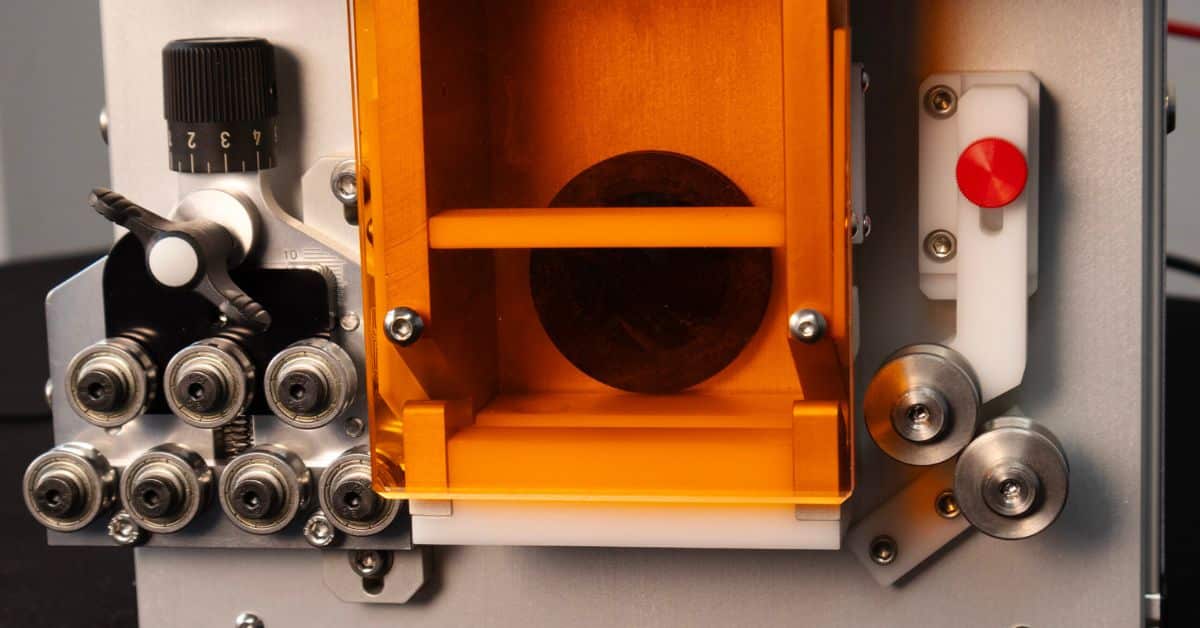
Laser marking, particularly with high-power systems, can present safety hazards for operators if they do not handle them correctly. Automated systems, such as Tri-Star’s Class 1-rated machines, feature enclosed work areas to protect workers from laser radiation. By removing the need for manual handling of parts during the marking process, automation significantly enhances workplace safety and ensures compliance with rigorous safety standards.
Key Considerations for Automation
Successfully automating your laser marking system requires careful planning and consideration of several key factors. A top tip for automating your laser marking system is to consider material compatibility, system integration, software, and customization options.
Material Compatibility
The first step is to confirm that your materials are compatible with the laser marking technology. UV lasers are highly effective on a wide range of materials, including the ETFE and XL-ETFE wire insulation commonly used in aerospace. However, factors such as material color, composition, and additives can affect the quality of the mark.
It is essential to test your specific materials to determine optimal laser settings and ensure a high-contrast, durable mark. Tri-Star Technologies offers sample testing to help customers validate the process for their unique applications.
System Integration
Your new automated laser marking system must integrate smoothly with your existing production line. Consider how you will feed parts into the system and how you will handle them after marking. Will you need conveyors, robotic arms, or other material handling equipment?
A thoughtful integration plan is crucial for maintaining workflow and avoiding bottlenecks. Working with a supplier who can provide custom solutions guarantees the system fits your specific operational layout.
Software and Controls
The software that drives the automated system should be powerful yet user-friendly. An intuitive interface allows operators to quickly set up jobs, program marking data, and monitor the process. Look for software that supports a wide range of fonts, languages, and graphic formats, such as barcodes and logos. Programmable settings for message spacing, orientation, and variable data are also vital for flexibility.
Customization Options
Every production environment is unique, and your automated system should adapt to your specific needs. Whether you are marking long catheters, small electronic components, or heavy-duty cables, you should be able to configure the system to handle your product dimensions and marking requirements. Suppliers like Tri-Star Technologies specialize in designing custom solutions to meet precise customer specifications, from accommodating different product lengths and diameters to integrating specialized handling mechanisms.
Real-World Applications
The impact of automated laser marking is evident across several high-stakes industries where precision and permanence are non-negotiable. From aerospace manufacturers to the medical device industry, automated laser marking helps sustain traceability in various sectors.
Aerospace Industry
Traceability is a core concern for every component in aerospace manufacturing. Aviation manufacturers use automated UV laser systems to directly print on wires and cables, creating permanent identification marks that comply with strict standards like SAE AS5649. These marks withstand harsh environmental conditions, guaranteeing legibility throughout the aircraft’s life.
Medical Device Industry
Non-destructive marking is a requirement for medical devices such as catheters, pacemakers, and surgical instruments. Automated UV laser markers create clear, indelible marks without compromising the material’s integrity or biocompatibility. This confirms full traceability for patient safety and regulatory compliance.
General Manufacturing
Many manufacturers in the broader industrial sector also use automated laser marking to apply serial numbers, barcodes, and company logos to a vast array of products. This facilitates inventory management, enhances brand recognition, and provides a permanent record for quality control and warranty tracking.
Your Path to Automation
Automating your laser marking system is a strategic investment that delivers compounding returns in efficiency, precision, and cost savings. If you are ready to explore how automated laser marking can benefit your operations, the experts at Tri-Star Technologies can help. We specialize in creating customized, state-of-the-art laser marking systems that meet the unique challenges of your industry.