




The Role of Plasma Treatment Machines in the Solar Industry
The global push toward renewable energy places immense pressure on solar technology manufacturers to produce more efficient, durable, and cost-effective photovoltaic systems. As demand for clean energy rises, engineering challenges around material bonding and longevity come to the forefront.
Plasma treatment is a critical technology that addresses these manufacturing hurdles. Keep reading to understand the vital role that plasma treatment machines play in the solar industry.
Understanding Plasma Treatment Technology
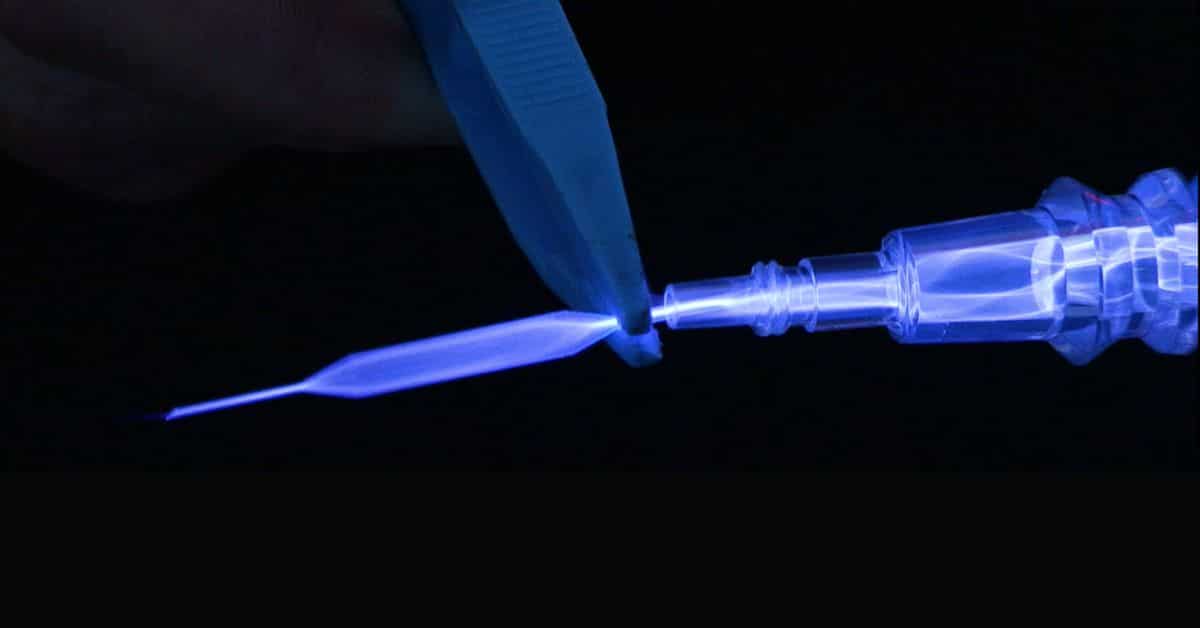
Plasma treatment represents a sophisticated surface modification technique that fundamentally alters how materials interact with their environment. It consists of ionized gas containing positive ions, electrons, and neutral atoms.
Basic Principles of Plasma Treatment
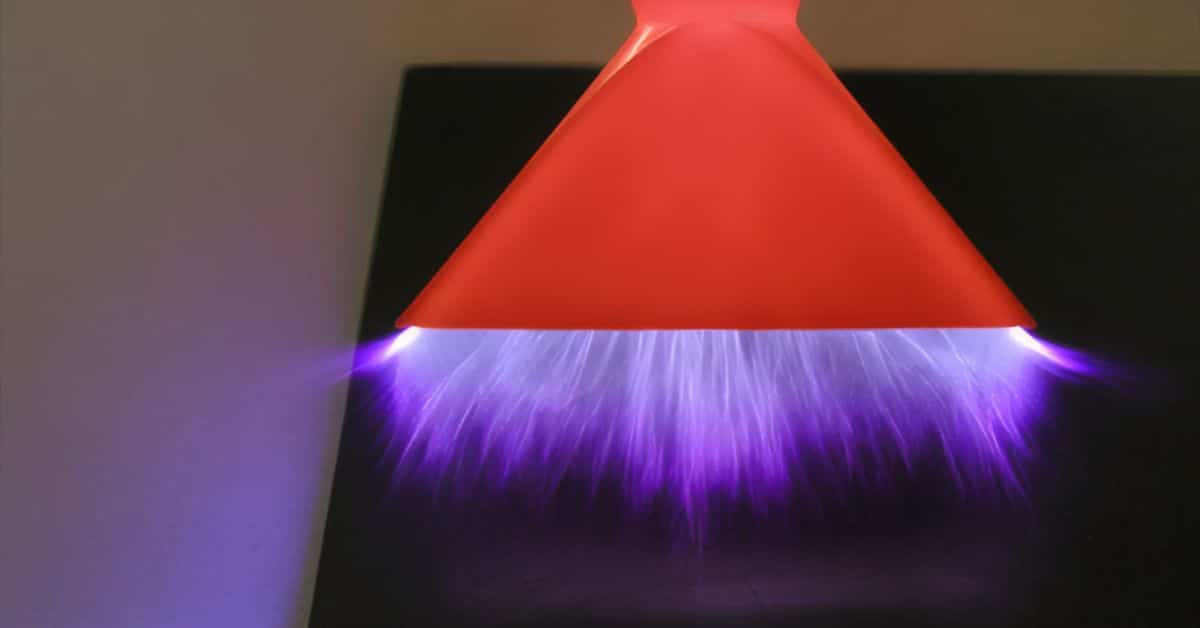
The process begins when manufacturers expose a gas to an electric field, ionizing it and creating plasma. When this plasma contacts a solid surface, it initiates a series of chemical and physical reactions. These reactions modify the material’s surface energy without affecting its bulk properties.
The bombardment of high-energy particles removes organic contaminants from the surface and activates it by forming functional groups. This activation process is crucial for industries where reliable bonding between dissimilar materials determines the success or failure of the final product.
Types of Plasma Treatment Systems
Industrial applications typically employ two main categories of plasma systems: vacuum and atmospheric plasmas. Vacuum plasma requires a sealed chamber that evacuates air before introducing the process gas. This method offers high uniformity and enables the treatment of complex three-dimensional shapes.
However, atmospheric plasma systems operate at ambient pressure, eliminating the need for vacuum chambers. This distinction makes atmospheric systems particularly advantageous for continuous, in-line manufacturing processes standard in the solar industry.
Applications of Plasma Treatment in Solar Panel Manufacturing
The production of solar panels involves layering various materials, including glass, silicon cells, polymers, and backsheets. In this production, plasma treatment machines play a key role in the solar industry. The structural integrity and electrical efficiency of the module depend heavily on the extent to which these layers bond.
Enhancing Adhesion
Adhesion failure remains a primary cause of solar panel degradation. Many manufacturers struggle to bond low-surface-energy materials, such as the fluoropolymers that backsheets or junction boxes use. Plasma treatment addresses this by substantially increasing the substrate’s original surface energy.
The process populates the surface with free radicals, thereby strengthening the bonds and increasing the surface’s reactivity. This chemical interaction helps the adhesives, encapsulants, and potting materials to form a permanent, robust bond that withstands thermal cycling and exposure to humidity.
Improving Wettability
Wettability refers to the ability of a solid surface to retain liquids. In solar manufacturing, high wettability results in the complete spreading of flowable materials, such as conductive inks, coatings, or adhesives, over the solid surface. This spreading improves adhesion by increasing the contact area and eliminating air pockets from the interface.
Air pockets serve as weak points where delamination can initiate; therefore, their removal is vital to long-term module reliability. Plasma treatment effectively transforms hydrophobic surfaces into hydrophilic ones for uniform coating application.
Surface Cleaning
Even minute traces of organic contaminants can disrupt the bonding process or interfere with electrical conductivity. Traditional cleaning methods using solvents or water fail to remove microscopic residues or may introduce new contaminants. Plasma treatment provides an ultra-fine cleaning solution.
The high-energy plasma particles break down organic pollutants into volatile compounds, which the system then carries away. This creates a pristine surface ready for subsequent processing steps, preventing any compromise of the electrical connections and structural bonds.
Benefits of Using Plasma Treatment
Integrating plasma treatment machines into solar manufacturing lines offers tangible advantages that extend beyond the factory floor. These benefits directly impact the commercial viability and performance of the final solar installation.
Improved Performance
Solar panels must maintain consistent electrical output over decades. Plasma treatment contributes to this stability by securing electrical connections and protecting sensitive components from moisture ingress.
By treating wire insulation and connectors, manufacturers prevent oxidation and corrosion, which can cause resistance buildup and power loss. Consequently, modules maintain their efficiency ratings for longer, thereby maximizing energy harvest for the end user.
Enhanced Durability
Durability is the ability of a mark, coating, or bond to withstand wear, pressure, or damage. Solar installations face exposure to UV radiation, rain, wind, and temperature extremes. Articles bond that undergo plasma treatment pass most customary military and commercial durability requirements.
By creating stronger chemical bonds between layers and components, plasma treatment prevents delamination and seal failure. This robustness reduces the likelihood of field failures and warranty claims, protecting the manufacturer’s reputation and the investor’s assets.
Cost Efficiency
While adding a step to the manufacturing process might seem counterintuitive to cost savings, plasma treatment ultimately reduces overall expenses. It allows manufacturers to use less expensive, non-hazardous adhesives and primers while still achieving superior bond strength. It also reduces in defect rates and rework to save significant material and labor costs. The ability to process materials in ambient environments without complex vacuum systems further streamlines production and lowers capital equipment costs.
Specific Plasma Treatment Systems
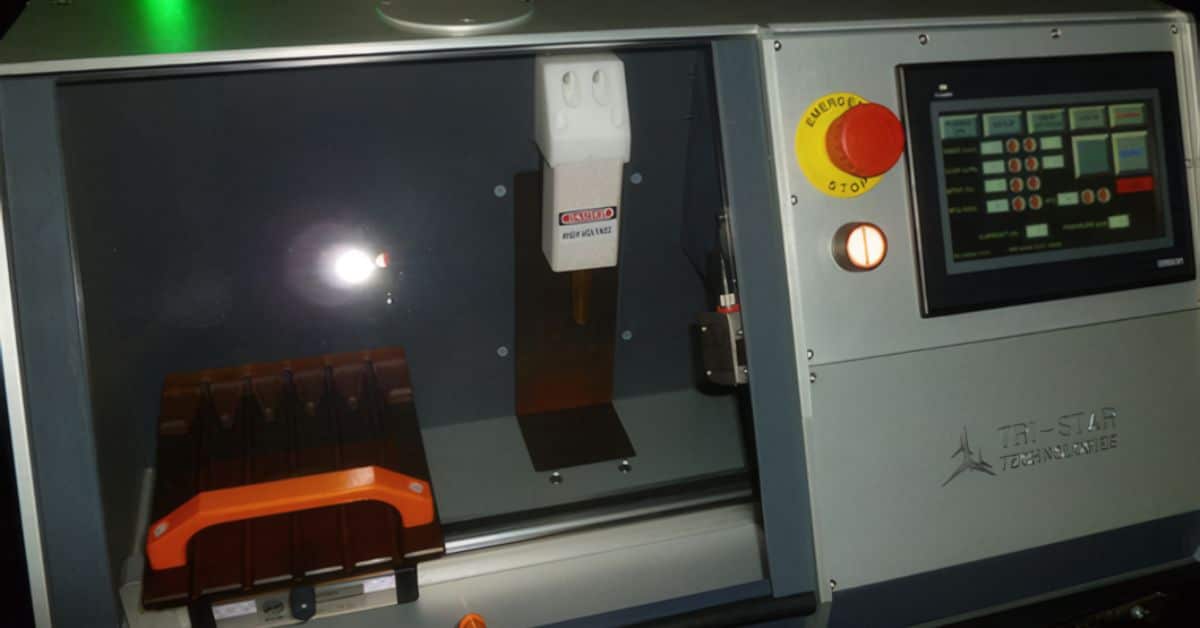
Selecting the right equipment is essential for achieving the desired results. Tri-Star Technologies offers plasma treatment systems that address the specific needs of wire, cable, and component treatment in the solar sector.
PT-1000 Plasma Treatment System
The PT-1000 is a low-current surface plasma treatment system operating at atmospheric pressure. This unit enhances the surface wettability of various nonconductive and conductive wire insulation materials. It effectively treats substrates including PTFE, ETFE, PVC, PP, PE, and PET.
This standalone unit features solid-state electronics and works seamlessly in ambient environments. It accommodates cable diameters up to two inches and integrates readily with marking, coding, striping, coating, and potting equipment. Manufacturers can also request custom electrodes or specialized gas mixtures to enhance functionality further.
PT-2000P Duradyne Plasma Treatment System
For applications requiring versatility and portability, the PT-2000P Duradyne system offers a unique solution. This unit improves adhesion in coating, marking, gluing, and similar processes. Its ability to treat various articles, ranging from the inner diameter of 50-micron tubing to large flat surfaces, makes it an indispensable tool for research and development laboratories or pilot production runs.
The PT-2000P uses primary plasma gases such as argon and operates effectively in ambient conditions. It does not damage, cloud, or discolor the materials it treats, which makes it suitable for sensitive components. The system treats dielectric and conductive surfaces alike, including flat and curved geometries. It proves particularly useful for treating connectors, wires, cables, and even LCD screens. Th
Embrace the Future of Solar with Tri-Star Technologies
Plasma treatment is a boon for the solar industry, addressing the challenges of new materials such as perovskites and flexible thin-film technologies while supporting the push for sustainability. By enabling precise surface engineering, improving bonding, and reducing the environmental impact of manufacturing, plasma technology ensures that solar energy continues to evolve as a reliable and environmentally friendly solution.
At Tri-Star Technologies, we’re dedicated to providing cutting-edge plasma treatment solutions tailored to the needs of the solar industry. Contact us today to learn how our advanced technologies can empower your next-generation solar innovations.