




How Marking Machines Impact Sustainability in Manufacturing
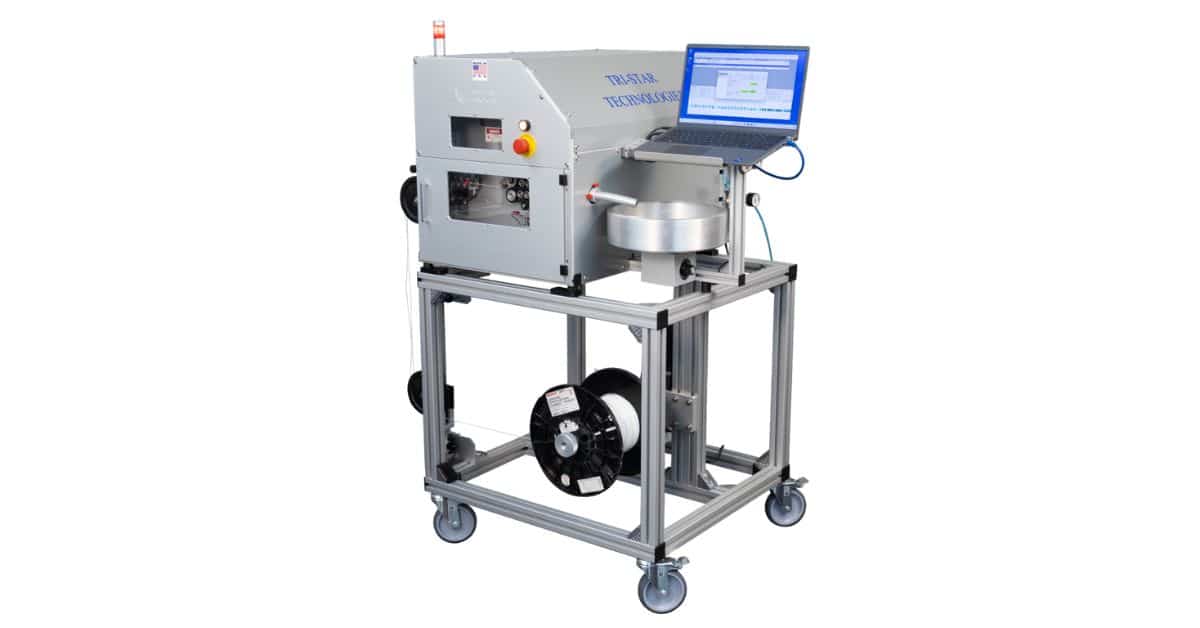
The manufacturing sector is increasingly prioritizing sustainability, driven by regulatory pressures, consumer demand, and a growing recognition of corporate responsibility. As industries evolve, advanced technologies are becoming essential for implementing eco-friendly practices without compromising efficiency. Among these innovations, modern marking machines are a pivotal tool, offering significant environmental benefits throughout the entire production lifecycle.
In this blog, we’ll discuss how marking machines impact sustainability in manufacturing. We’ll examine their role in reducing waste, improving energy efficiency, ensuring regulatory compliance, and delivering long-term economic advantages.
The Role of Marking Machines in Modern Manufacturing
Before exploring the sustainability benefits, it is essential to understand the function of marking machines and the environmental context in which they operate. These systems are integral to modern production, and their technological evolution directly addresses many of the ecological challenges facing the manufacturing industry today.
What Are Marking Machines?
Marking machines apply permanent identification marks, such as serial numbers, barcodes, logos, and other critical data, onto various materials and components. Their applications are diverse, ranging from wire and cable marking in the aerospace industry to precise labeling of medical devices and pharmaceutical products.
Tri-Star Technologies specializes in developing advanced marking solutions, including laser wire marking machines, that deliver permanent, high-contrast marks without damaging the underlying material. This non-destructive marking capability is crucial for industries where component integrity is non-negotiable.
Why Sustainability Matters in Manufacturing
The manufacturing industry has historically been a major contributor to environmental challenges, including significant material waste, high energy consumption, and the depletion of natural resources. These issues have led to stricter environmental regulations and a greater emphasis on corporate social responsibility.
In response, manufacturers are actively seeking sustainable solutions that minimize their ecological footprint. The adoption of green technologies is no longer just a matter of compliance but a strategic imperative for long-term viability and brand reputation.
Waste Reduction Through Precision Marking
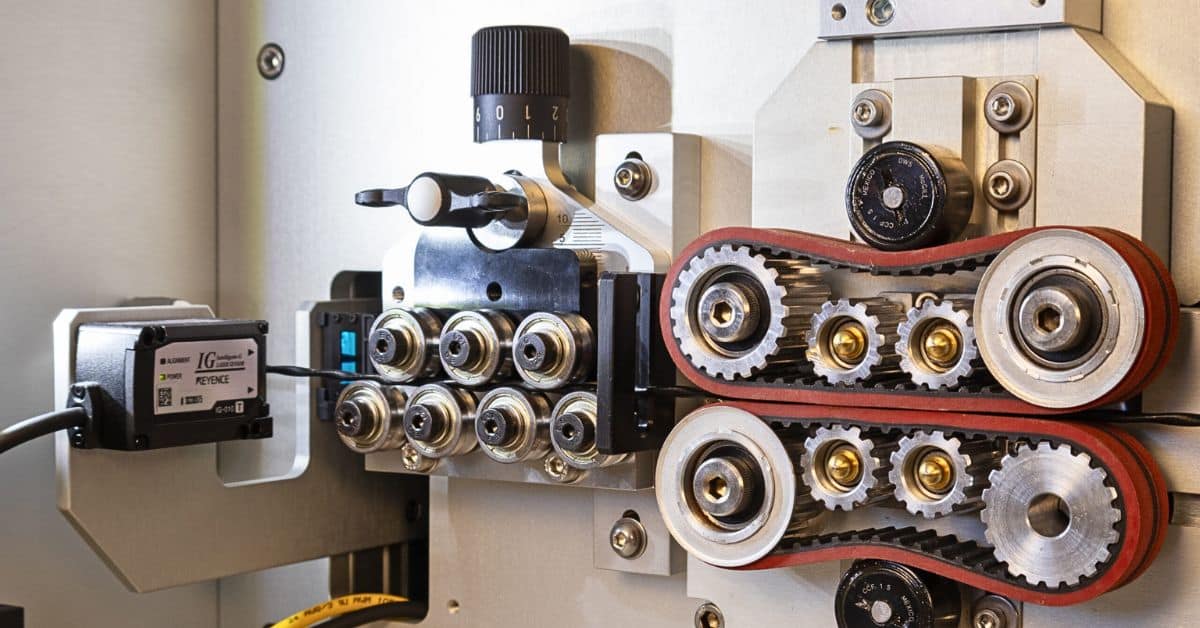
One of the most significant contributions of modern marking machines to sustainability is their ability to minimize waste. Through precise, durable marking, these systems help reduce material loss and rework, directly supporting leaner, more efficient manufacturing processes.
Eliminating Material Waste
Traditional marking methods, such as hot stamping, are abrasive and can cause material damage, rendering parts unusable. In contrast, advanced marking systems, such as UV lasers, offer unparalleled precision.
The non-destructive nature of UV laser marking ensures the material’s structural integrity remains intact. This is particularly beneficial in high-stakes industries like aerospace and medical device manufacturing, where material reliability is paramount. By eliminating the scrap or faulty material that damaging marking processes generate, companies can significantly reduce their material waste and associated costs.
Durability and Longevity of Marks
The permanence of a mark is critical for traceability and product identification throughout its lifecycle. Faded or illegible marks require re-marking or discarding, leading to unnecessary waste and production delays.
Tri-Star Technologies’ laser marking systems create indelible marks that withstand harsh environmental conditions, including extreme temperatures and chemical exposure. This durability guarantees that the identification remains clear and legible for the life of the product, eliminating the waste of re-marking and component replacement.
Energy Efficiency and Resource Conservation
Another way that marking machines impact sustainability in manufacturing is their efficiency and resource conservation. By consuming less energy and eliminating the need for consumables, these systems play a crucial role in conserving valuable resources.
Energy-Saving Technologies
Older marking technologies typically require excessive amounts of energy. For instance, hot stamping requires continuous heating of typefaces, leading to substantial energy consumption over time.
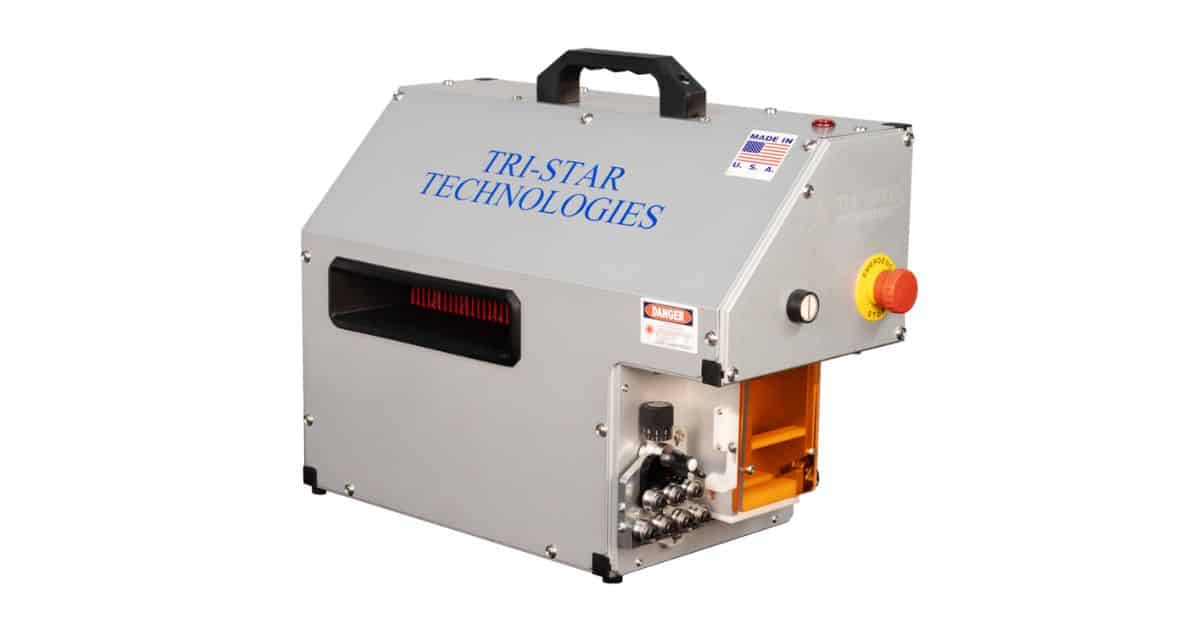
Modern UV laser marking systems, such as the Tri-Star M100L series, are much more energy-efficient. These systems use solid-state UV lasers that require less power to operate than their predecessors. The air-cooled design of models like the M100L further reduces energy needs by eliminating the requirement for external cooling systems, contributing to a smaller operational carbon footprint.
Reduced Chemical Usage
Many conventional marking processes rely on inks, solvents, and other chemical consumables. These substances increase operational costs and pose environmental risks, including challenges with disposal and the release of volatile organic compounds (VOCs).
UV laser marking is a clean, chemical-free process. It works by inducing a color change in the material itself by interacting with pigments like titanium dioxide (TiO2) already present in the substrate. This eliminates the need for any additional consumables, reducing the environmental impact and creating a safer workplace.
Compliance with Environmental Standards
Meeting stringent industry regulations is a key driver for adopting sustainable technologies. Modern marking machines help manufacturers comply with environmental and safety standards while supporting broader circular economy initiatives.
Meeting Industry Regulations
Strict standards for product identification and traceability govern industries such as aerospace and defense. For example, specifications such as MIL-W-5088 and AS-5088-L specify requirements for wire and cable marking to ensure safety and reliability.
Tri-Star’s UV laser marking systems are fully compliant with these and other critical industry standards, providing clear, permanent, and non-damaging marks. By using compliant marking technology, manufacturers can verify their products meet all regulatory requirements, avoid penalties, and reinforce their commitment to quality and safety.
Supporting Circular Economy Goals
A circular economy aims to minimize waste by promoting the reuse, recycling, and responsible end-of-life management of products. Precise and durable marking is essential for achieving these goals.
Clear identification enables effective product traceability, which is crucial for tracking components through their lifecycle. This information facilitates easier sorting for recycling, simplifies refurbishment processes, and manages materials responsibly when they are no longer in use. By providing reliable traceability, marking machines are a key enabler of circular economy principles.
Long-Term Benefits of Sustainable Marking
The adoption of sustainable marking technologies provides benefits that extend beyond environmental compliance. These systems offer significant long-term economic advantages and help enhance a company’s brand image in an increasingly eco-conscious market.
Cost Savings
While the initial investment in advanced marking technology may be higher than traditional methods, it provides substantial long-term cost savings. Reduced material waste, lower energy consumption, and the elimination of consumables all contribute to lower operational expenses. Furthermore, the reliability and low maintenance requirements of systems like the Tri-Star M100L series reduce downtime and repair costs, leading to a higher return on investment over the life of the equipment.
Brand Reputation
In today’s market, sustainability is a powerful differentiator. Companies that demonstrate a genuine commitment to environmentally responsible practices can build a stronger brand reputation and attract a loyal customer base. By adopting eco-friendly technologies such as UV laser marking machines, manufacturers can demonstrate their commitment to sustainability. This appeals to eco-conscious consumers and business partners while also enhancing the company’s standing as a forward-thinking and responsible industry leader.
Embrace Sustainable Manufacturing with Tri-Star Technologies
The integration of advanced marking machines into manufacturing operations represents a significant step toward a more sustainable future. These technologies offer a powerful combination of precision, efficiency, and environmental responsibility, enabling companies to reduce waste, conserve resources, and meet rigorous industry standards.
As the manufacturing landscape continues to evolve, the adoption of innovative solutions such as those from Tri-Star Technologies will be crucial to maintaining a competitive edge and building a truly sustainable production model. To learn how our advanced marking machines can help your organization achieve its sustainability goals, explore our range of solutions, and schedule a demo with our team today.